I’ve been sketching cut flower garden layout plans on napkins and the backs of seed packets for years, and honestly it still makes my heart skip a beat when blooms are arranged just so. The phrase cut flower garden layout plans feels like a tiny promise – a plan that will actually produce bouquets every week, not just pretty intentions.
I put this article together because I know how overwhelming it can be to pick a layout when you just want flowers on the kitchen table and not a full-time farming degree. I tried so many arrangements in my first season – some glorious, some facepalm worthy – and learned which layouts actually give you stems consistently without backbreaking upkeep.
Stick with me and you’ll get 20 real-life layout ideas, little tips from my own messy trials, and simple ways to adapt each plan to your space and schedule.
These 20 Cut Flower Garden Layout Plans You Can Actually Use
Sweet Cottage Strip Beds
This layout is cozy and forgiving – think long strips of mixed annuals and perennials where you can harvest from the middle without trampling plants. I fell in love with this approach when I snapped a photo of my neighbor holding a hand-tied bouquet; she swore it started with a simple strip bed. If you want immediate visual payoff and easy access for snipping, this is a great starter plan.
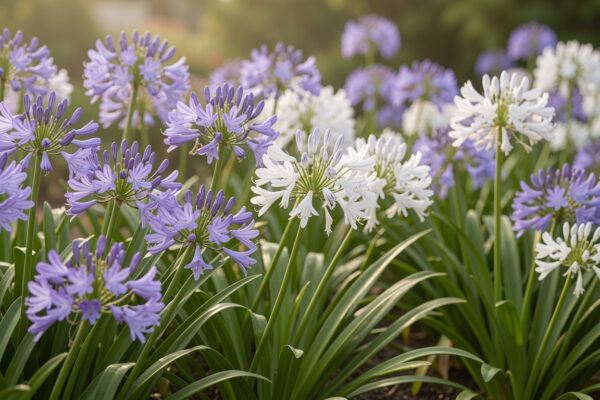
Blue-and-White Border
This is one of my favorites for a calming, cohesive palette – plant blue delphiniums, cornflowers and white cosmos for a refined pick. I tried this on a narrow side yard and it felt like stepping into a sea of cool color every morning. You can tuck a path along the border to harvest without disturbing roots, which I recommend if you hate muddy shoes.
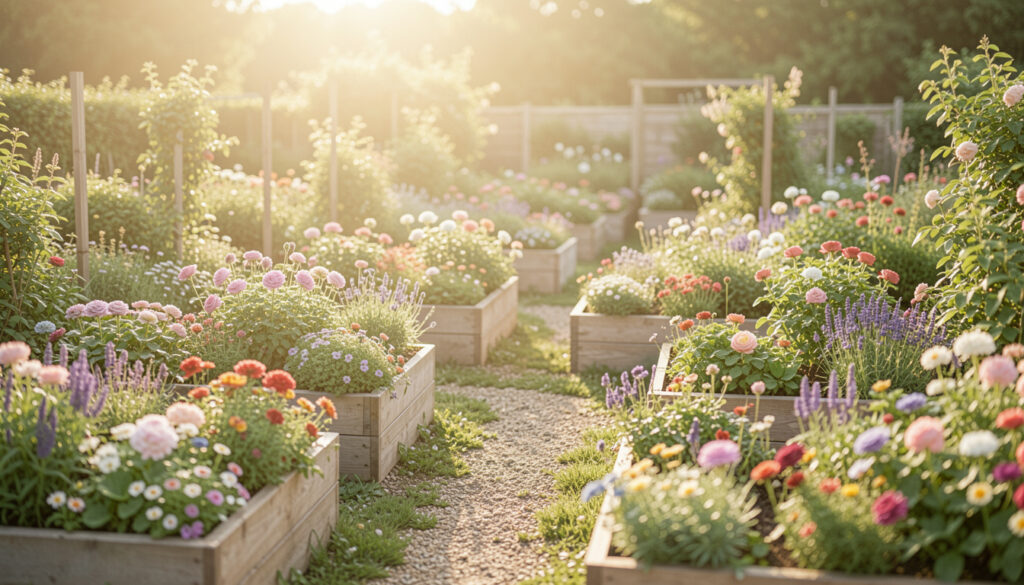
Raised Bed Rows
Raised beds in neat rows make crop rotation simple and soil management much less fussy, which helped me save time and water in hot months. One summer I planted zinnias and snapdragons in adjacent beds, and harvesting was as easy as walking down the lane with clippers. If you want tidy, productive beds that are kinder to your back, this layout is a win.
Rainbow Mass Planting
This joyful plan is all about massing colors – big clumps of single varieties that read as waves of color from a distance. I confess I once planted too many colors and created a kaleidoscope that made arranging a little overwhelming, so I now recommend limiting to 4-6 complementary hues. When done right it’s show-stopping and gives you bold bouquet building blocks.
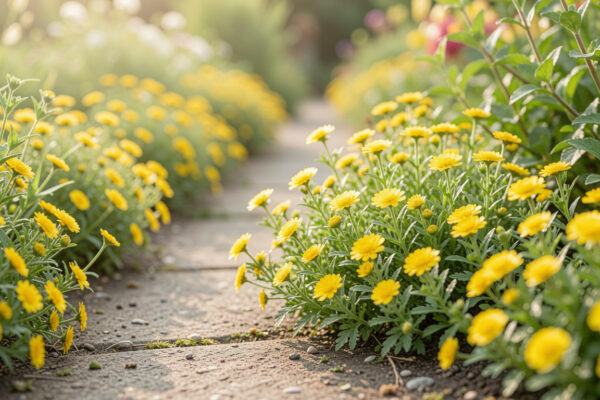
Long Walkway Planting
Planting long beds along a dirt road or walkway turns a simple stroll into a daily flower harvest opportunity, and it’s where I snag a lot of my spontaneous clippings. Years ago I planted fragrant stock and sweet peas along our path and would pick while sipping morning coffee – total bliss. You get both curb appeal and convenience, which is rare and lovely.
Greenhouse Edge Bed
Using the edge of an old greenhouse as a planting area gives tender plants a microclimate boost and makes early-season cutting possible. I started seedlings inside and graduated them to the edge bed; that staggered schedule meant bouquets weeks earlier than my friends. If you have a structure, lean into it – it quietly extends your season.
Tabletop Vase Garden
This is less a bed plan and more a concept – dedicate a table or raised platform to showy vase-ready stems like scabiosa, lisianthus and lisianthus-like flowers. One rainy afternoon I brought my plants up to a wooden table and it felt like a mini florist counter in my backyard. You can quickly assemble small bouquets without bending, which is a tiny luxury I adore.
Sweet Pastel Patch
Pink and white combos are forgiving and endlessly romantic – perfect for a cutting patch if you like soft-toned arrangements. I planted lupines and sweet peas once and the cottage-y vibe had our guests asking for clippings at brunch. Place this patch where you pass often so you remember to harvest and deadhead regularly.
Sun-Loving Mixed Bed
Pair sun-loving staples like cosmos, zinnias and rudbeckia for a high-output, low-fuss bed that blooms all summer. My sunny corner used to be a bare spot, and turning it into this mix felt like a small miracle for summer bouquets. If your site gets full sun, you can barely go wrong with this reliable combo.
Field-to-Table Border
A field-style border next to turf or pasture reads natural and unforced, and it’s ideal if you like loose, seasonal arrangements. I once planted a border along our fence and friends assumed it was spontaneous wildflower growth – they were surprised it was intentionally designed. This layout looks effortless but rewards a bit of planning.
Kitchen Flower Patch
Keep a tiny patch near the kitchen door for quick snips between dishes and meetings – dill, marigold, lisianthus and herbs all work beautifully together. I have a jar always within reach, and it’s become my favorite small ritual to cut something before guests arrive. If you want regular table bouquets without trekking outside, try this plan.
Wide Meadow Bed
A broad meadow-style bed planted with a mix of perennials and annuals creates depth and endless cutting options through seasons. I remember the first summer our meadow bed took off – bouquets every week and a breeze of pollinators to boot. Let it look a little wild and you’ll be rewarded with variety.
Weathered Wall Backdrop
Planting against an old wooden wall with peeling paint gives stems dramatic contrast and a vintage vibe that I’m quietly obsessed with. I once leaned a bouquet against a similar wall for a photo and it felt editorial without trying too hard. Try taller stems near the wall and shorter ones in front for a layered look that photographs well.
Dense Mixed Cottage Bed
Cottage beds that cram a lot of varieties into a small space make arranging playful and unpredictable, perfect if you love eclectic bouquets. I learned quickly that some plants bully others, so planning for spacing is surprisingly important. When you get the balance right, you’ll be rewarded with constant harvests and surprising combos.
Compact Urban Plot
Small city yards can use dense planting and vertical elements to squeeze out maximum stems – think tall stakes, trellises and deep containers. I squeezed a cutting garden into our tiny courtyard once and it felt like a secret floral studio right outside our door. If space is tight, focus on high-yield varieties and vertical tricks.
Bold Pink Cluster
Massing pinks and reds creates intense visual impact and makes bouquet building fast because everything coordinates. I went a little overboard with pinks once and my friends joked it was a “rose shop” in my backyard – in the best way. Use this plan if you like punchy, romantic arrangements.
Seaside Color Mix
Vivid mixes with sky-blue backgrounds and green lawns evoke coastal gardens and are great for weekend cutting. We staged a picnic by such a bed last summer and ended up making small posies for everyone – instant party favor. If you want that beachy, bright look, pick varieties with airy textures like dahlias and veronicas.
Pollinator-Friendly Patch
Planting for pollinators often gives you cut-worthy stems and longer-lasting blooms, so it’s a win-win. I once stopped obsessing over perfect stems and focused on pollinators, and my bouquets suddenly lasted longer in the vase. Choose native flowers mixed with annuals for seasonal interest and abundant visits from bees and butterflies.
Classic White Fence Row
Training plants along a white fence makes a timeless display and gives structure for climbers and sprawling stems alike. I used this trick on a friend’s property and the fence suddenly looked magazine-ready with relatively little effort. For cut flowers, layer tall spikes behind lower fillers and you’ll have vase-ready stems without fuss.
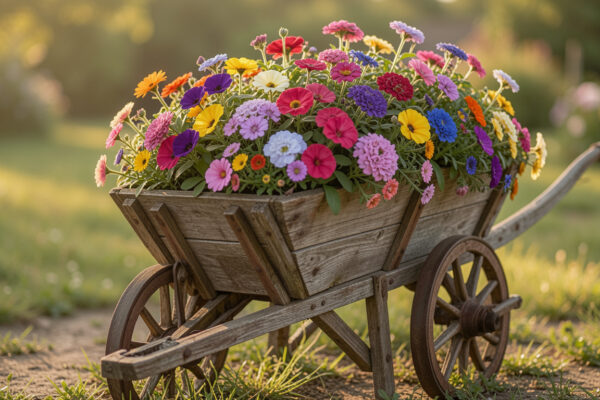
Farm-Tractor Nostalgia Bed
Design a bed with rustic props – like placing a patch near an old tractor – to create charming photo backdrops and focal points for bouquets. I remember arranging flowers in front of a rusted tractor once and thinking this is exactly how postcards are made. If you love nostalgic vibes, combine statement props with easy-care flowers for visual interest.
How to Actually Make This Work For You
Start by observing your space like a nosy neighbor – note sun, shade, and where you naturally want to walk and cut from, then pick a layout that matches that daily flow so harvesting becomes second nature. Don’t aim for perfection in year one; treat your first season like an experiment and keep a notebook of what performed best so you can tweak beds next year. Also, plan for succession planting – when one crop fades, have another ready to fill the gap – this tiny habit is what turned my sporadic bouquets into steady weekly vases.
How do I choose which layout fits my small yard?
Look at how you use the space every day and pick a layout that keeps flowers accessible – narrow strip beds, vertical planters or a kitchen patch are usually best for small yards. Think about harvesting ease and sunlight first, and scale down complex designs into compact versions.
What are the best easy-to-grow cut flowers for beginners?
Zinnias, cosmos, sunflowers, snapdragons and rudbeckia are forgiving and give high stem counts for minimal effort. Start with these and you’ll build confidence fast while learning watering and deadheading rhythms.
How much maintenance do these layouts require?
Maintenance varies – raised beds and compact patches tend to be lower fuss, while cottage and meadow beds need more deadheading and thinning. Plan for 15-30 minutes a few times a week during peak season and more time for planting and dividing in spring and fall.
Can I mix vegetables and cut flowers together?
Absolutely – interplanting herbs and edible flowers provides both beauty and utility, and can improve pollination and pest balance. I planted basil and marigolds with zinnias once and loved the mixed harvests from a single bed.