You’re tapping into a shift where makers blend flowing wood forms, reclaimed materials, bold surface glazes, Afro‑boho textiles, and Neo‑Deco metals to create layered, tactile interiors. This list maps practical DIY moves—shelving profiles, faux marble finishes, upcycled lighting, privacy screens, sensor LEDs—and shows what actually elevates a space. Keep going to see which specific projects and fixes will give you the biggest aesthetic return.
Organic Shapes: Flowing Wooden Silhouettes for DIY Furniture
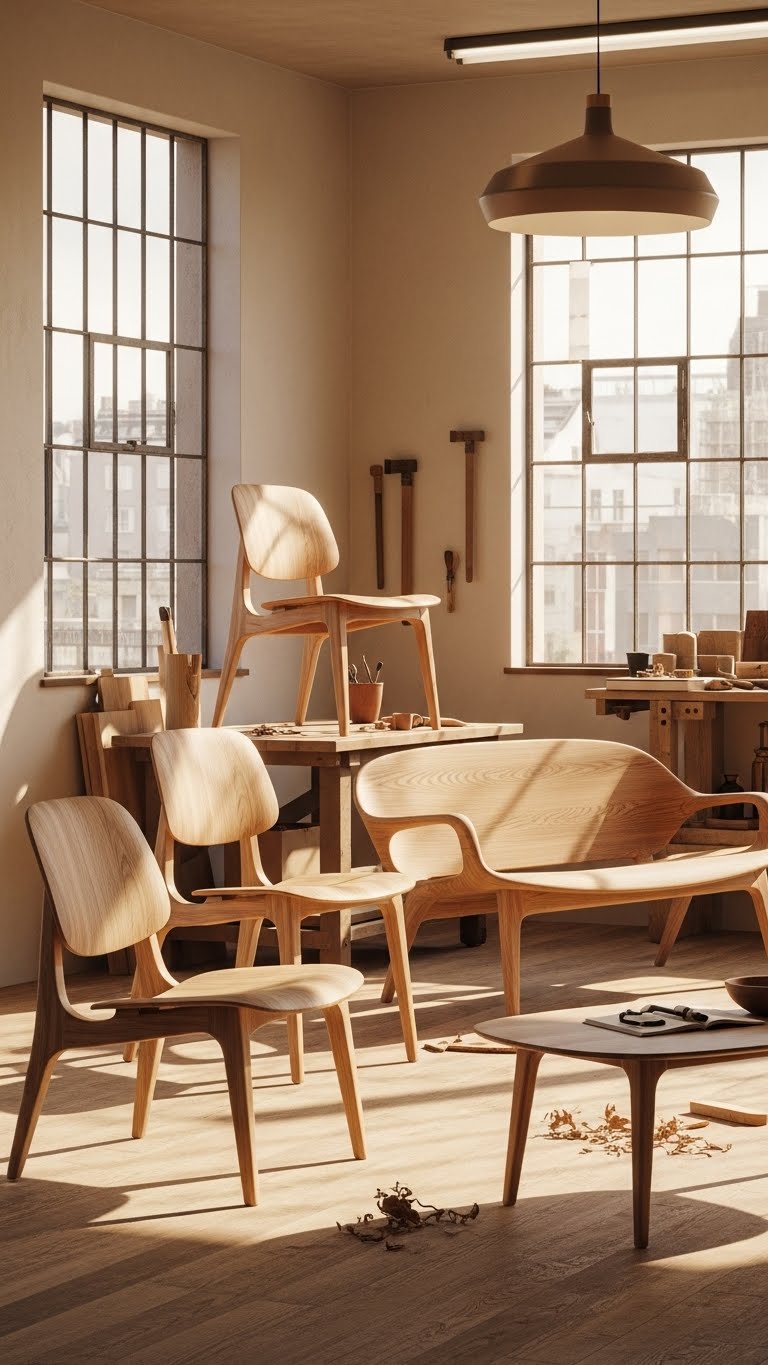
Start by embracing flowing wooden silhouettes that ditch rigid lines for smooth, ergonomic curves—these pieces feel handcrafted, modern, and endlessly adaptable.
You’ll favor wooden contours that celebrate grain and motion, carving chairs, benches, and tables that invite movement and ease.
Keep joints simple, finishes natural, and proportions open so your furniture breathes, supports freedom, and remains stylishly resilient.
DIY Organic Shelving With Flowing Profiles
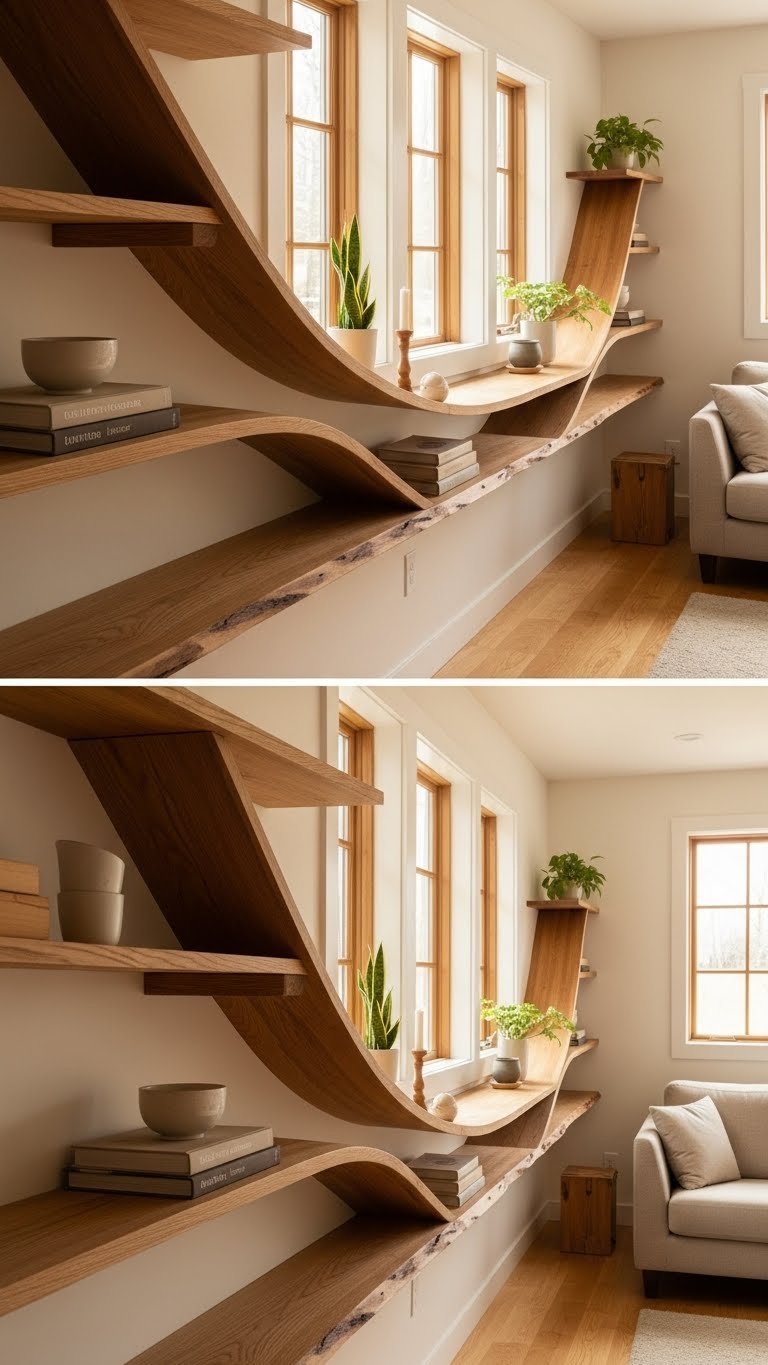
Carve sweeping, sinuous shelves that follow the grain and the room—DIY organic shelving with flowing profiles turns storage into sculpture while staying practical.
You’ll shape flowing shelves from plywood or live-edge planks, sanding curves to echo walls and windows.
Install concealed brackets for a floating look, stain or oil to reveal grain, and let those organic profiles free the space without sacrificing function.
Hand‑Carved Sculptural Centerpieces From Scrap Wood

Turn leftover boards and offcuts into tactile focal points that feel deliberate, not accidental.
You’ll carve bold silhouettes and smooth negative space, crafting hand‑whittled vases and stacked organic forms.
Work with a reclaimed burl centerpiece as your anchor, sanding precisely, sealing selectively.
The result reads curated and liberated—objects that celebrate material history while giving you permission to personalize rhythm, scale, and touch.
Freehand Wall Art: Spontaneous Brushwork Techniques

Let loose with confident strokes that make your wall feel intentional, not improvised: freehand brushwork is about rhythm, scale, and the honest mark of your hand.
You’ll embrace gesture layering to build depth, trust instinct over perfection, and allow spontaneous drips as design elements. Work large, vary pressure, step back often, and own the imperfections — it’s your visual signature, bold and unrepeatable.
Layer Textures: Mixing Fabrics, Weaves, and Paint
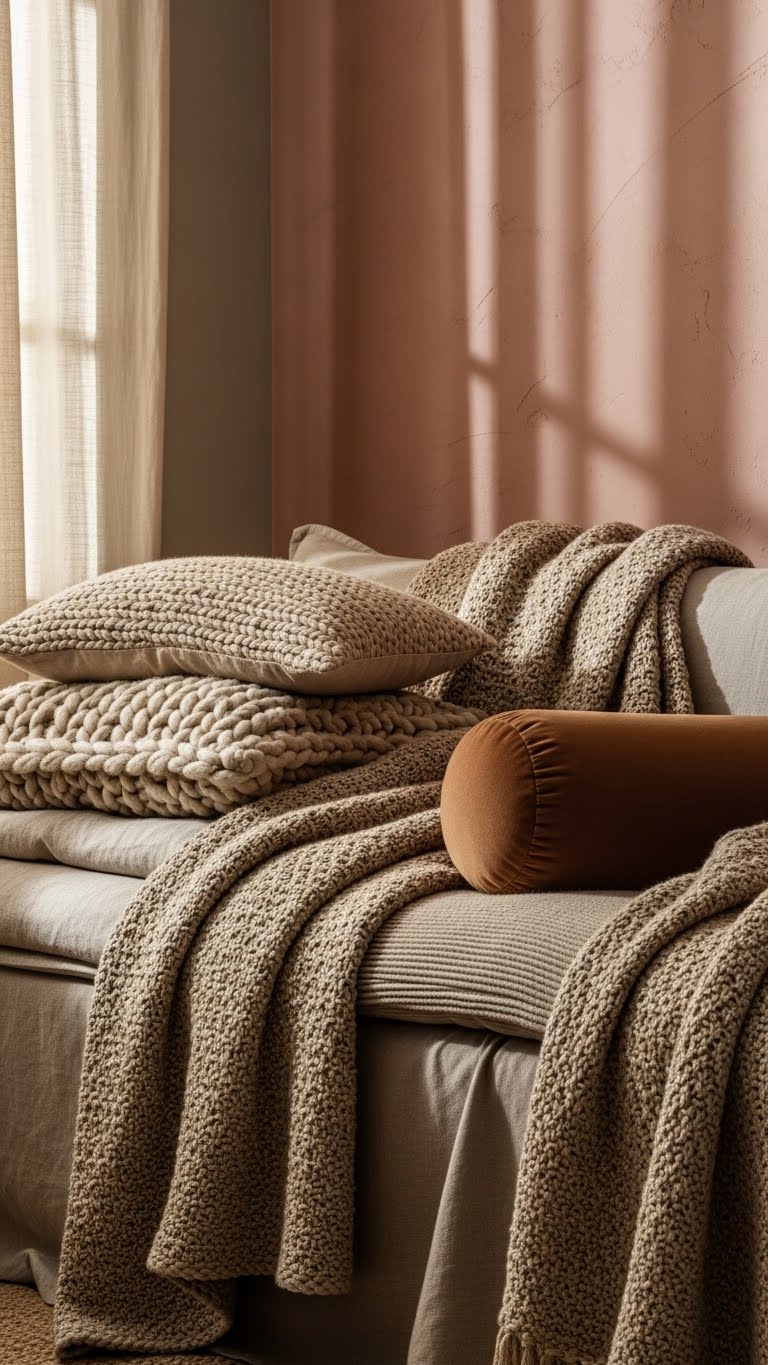
With fabrics, weaves, and paint layered like a choreographed score, you create rooms that read tactile and intentional.
Mix layered linens with open weaves, chunky knits, and smooth velvets to set mood and movement. Use textured paint sparingly on focal walls, then balance with matte finishes. You’ll craft liberated, lived-in spaces that feel curated, relaxed, and unmistakably yours.
Neo‑Deco Glam: Brass, Chrome & Fan Mirror Styling
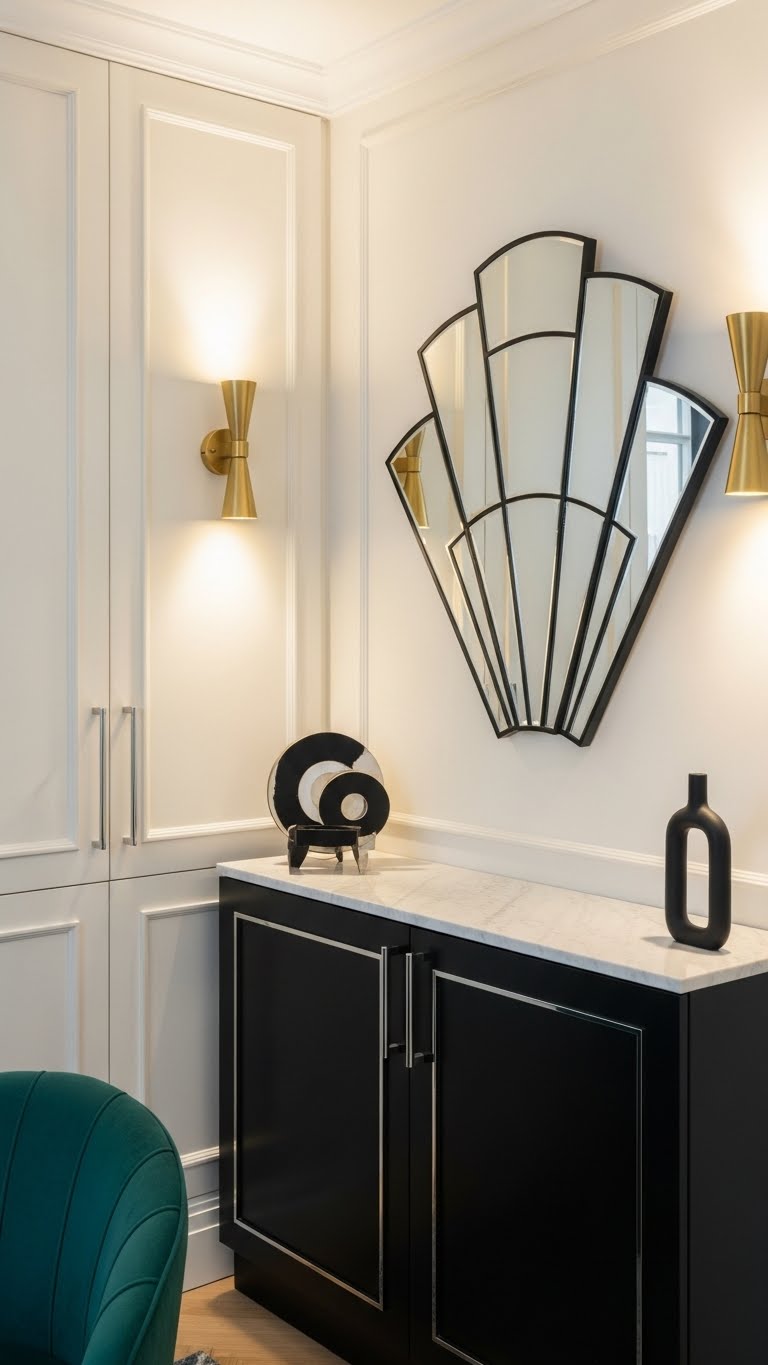
Curious how glamour gets a modern rewrite? You’ll embrace Neo‑Deco glam by pairing brass symmetry with chrome accents—think balanced sconces, slim hardware, and bold fan mirrors.
You’ll layer pieces confidently, using mirror layering to amplify light and freedom in small spaces.
Mix polished metals, keep lines geometric, and let curated shine feel intentional, not fussy, for a liberated, luxe vibe.
Make Sunburst & Chevron Statement Pieces on a Budget
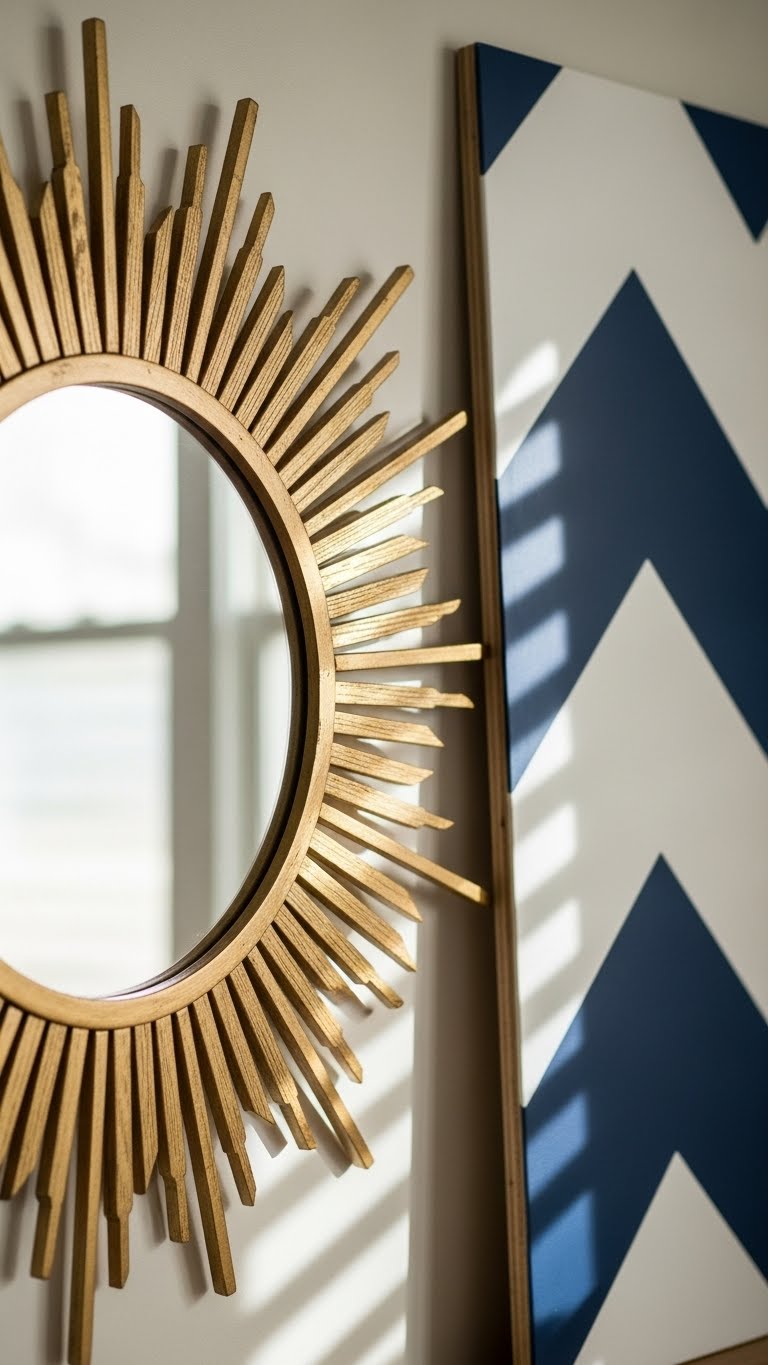
You can make a bold sunburst or chevron centerpiece without blowing your budget by choosing a few high-impact moves: pick an affordable focal—like a thrifted mirror or plywood cutout—upgrade it with metallic spray paint or gilt trim, and anchor it with a crisp chevron accent made from glued moulding or painted stencils.
Then pair sunburst mirrors with chevron pillows for instant, liberated style.
Painted Faux Marble & Stone Finishes for Baths/Counters
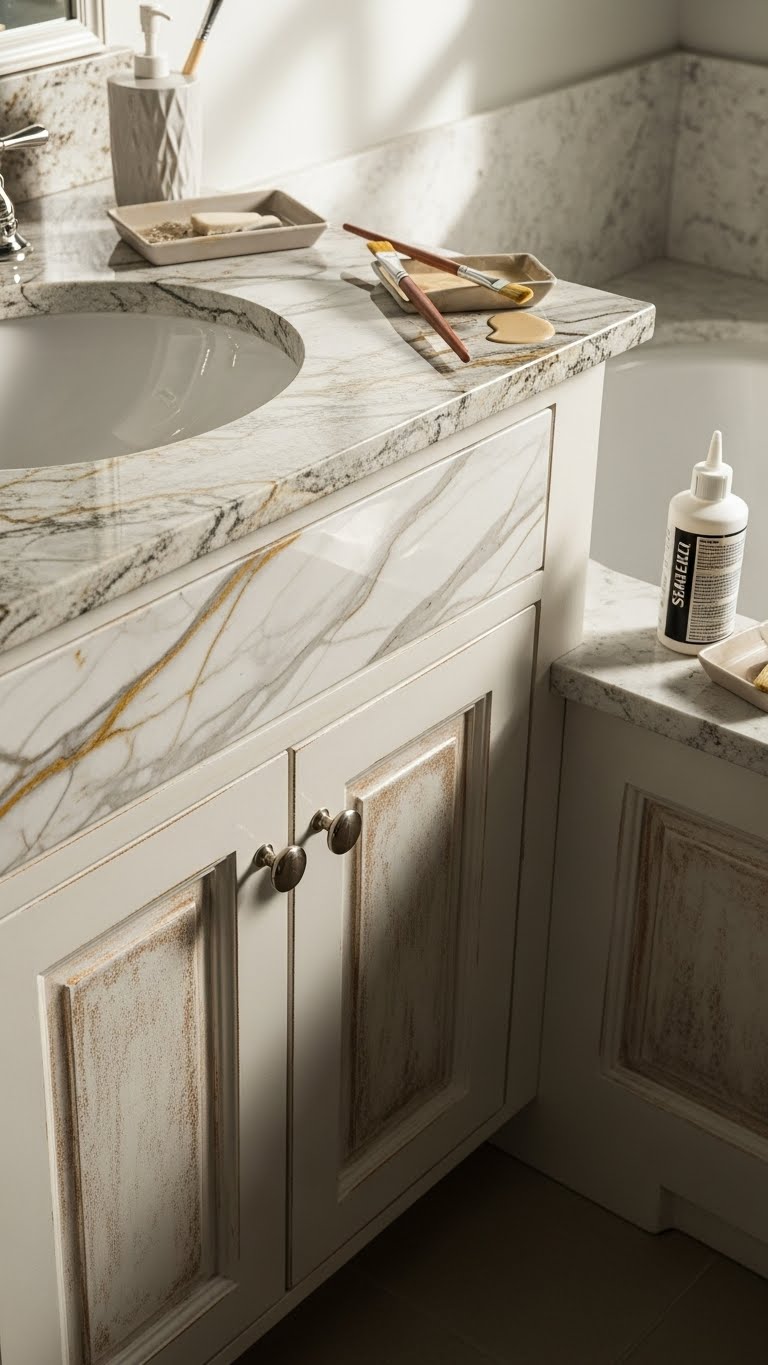
If you want luxe marble or rich stone looks without a renovation, painted faux finishes let you mimic veining, depth, and sheen on sinks, counters, and tub surrounds for a fraction of the cost. You can master a faux granite technique and venetian patination method to layer color, glaze, and polish.
Follow sealant advice, work deliberately, and reclaim any space with bold, budgeted freedom.
Rattan & Bamboo Seating: DIY Weaving and Restoration
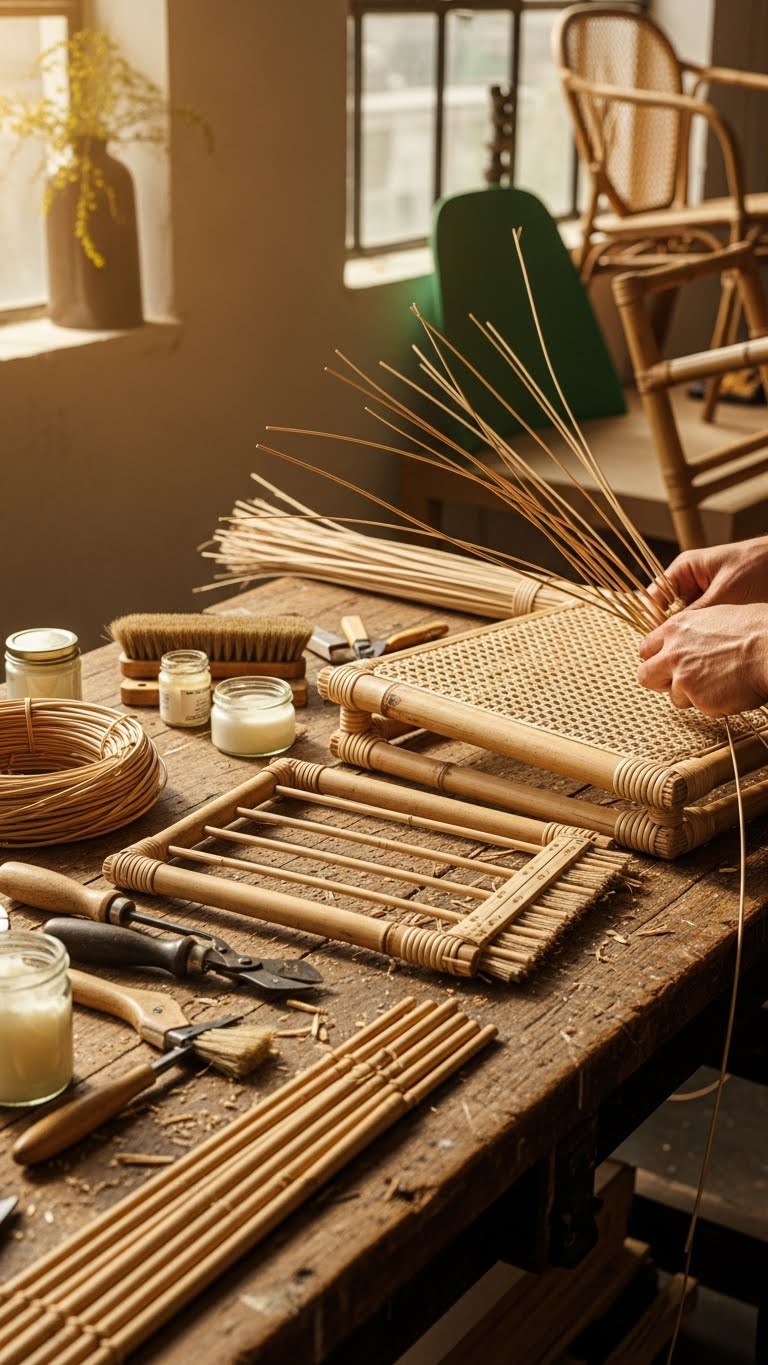
When handled with care and the right tools, rattan and bamboo seating can be refreshed or rebuilt to look brand-new without breaking the bank. You’ll learn basic woven restoration techniques, frame repairs, and quick finishes that honor natural texture. Follow clear bamboo maintenance steps—cleaning, tightening, sealing—and you’ll reclaim vintage chairs or craft custom pieces that feel free, modern, durable, and unmistakably you.
Beaded Curtains & Bamboo Room Dividers for Privacy
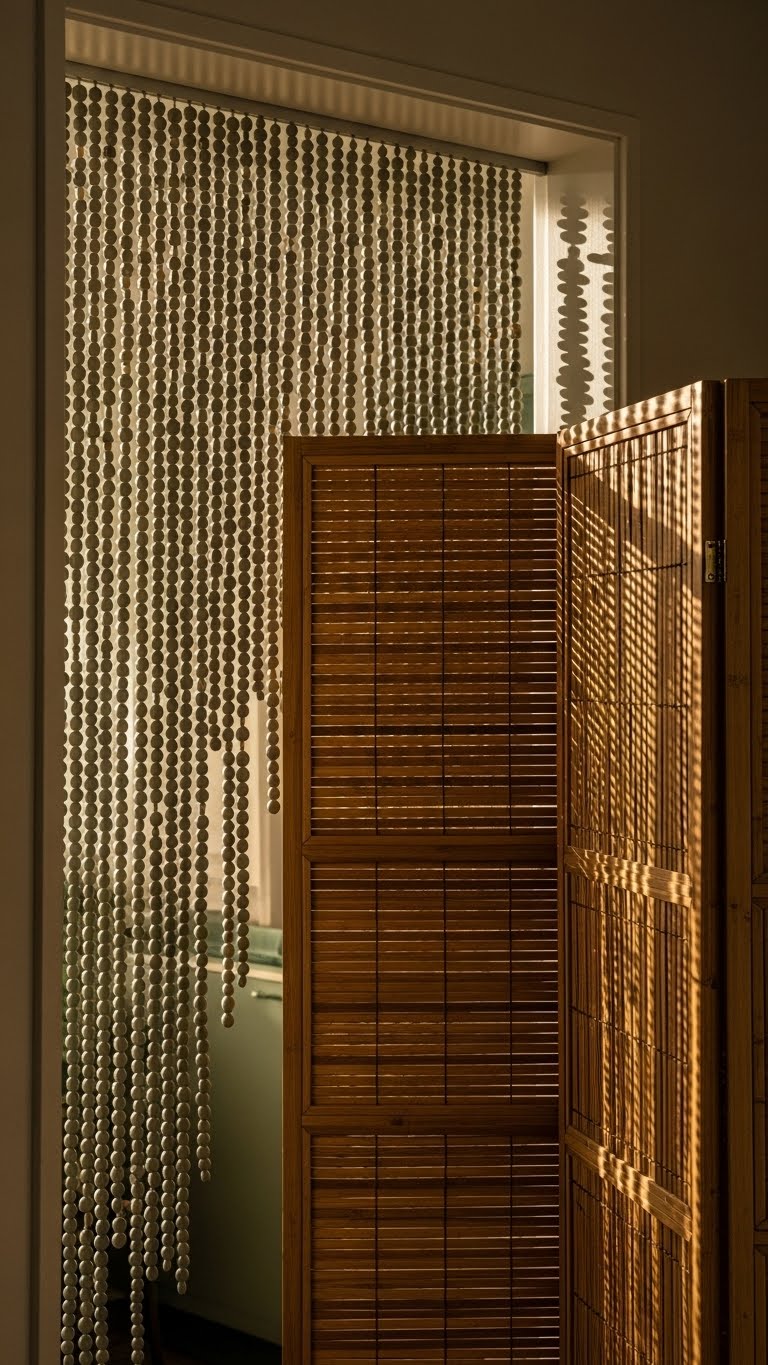
Slide a beaded curtain into a doorway or pair it with a bamboo screen and you instantly create layered privacy with texture and rhythm.
You’ll lean into beaded privacy for light, sound softness, and playful movement while bamboo screening gives structure and natural warmth.
Mix heights, stagger panels, and choose durable finishes so your space stays open yet protected—free, stylish, intentional.
Afro‑Boho Textiles: Adire, Berber Rugs, and Basket Art
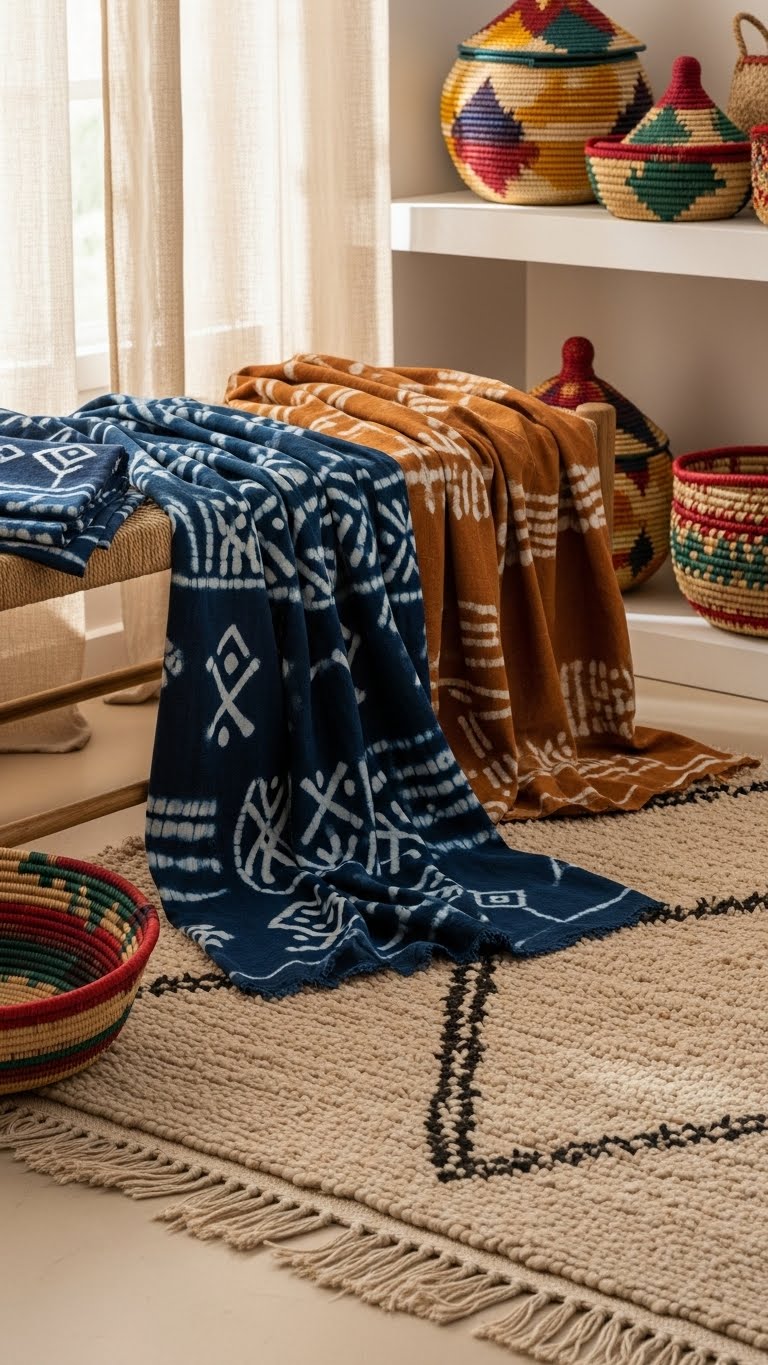
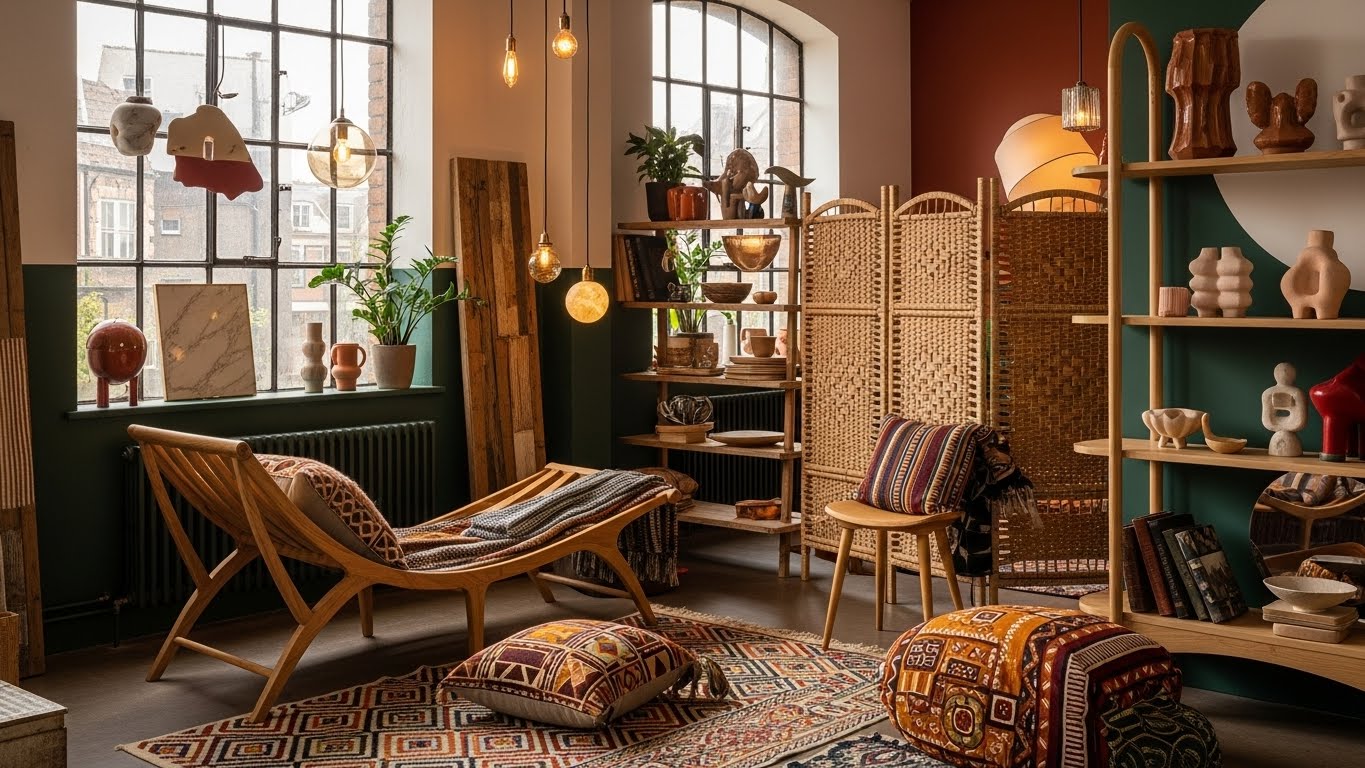
Though rooted in rich ancestral craft, Afro‑Boho textiles feel fresh and modern when you layer adire cloth, Berber rugs, and woven baskets for touch, pattern, and story.
You’ll honor adire symbolism and mix raw Berber textures to ground rooms while embracing playful basket dyeing for color pops.
Combine scale, contrast, and unpretentious craft to create a free, soulful space that reads cohesive and intentional.
Handmade Ethiopian & West African Wall Hangings You Can Sew

If you want to bring Ethiopian and West African textile traditions into your home without relying on gallery pieces, you can sew accessible wall hangings that honor their techniques and motifs.
You’ll mix Ethio prints with loomed motifs, apply indigo resist accents, and finish pieces with tactile fringe for movement.
Follow simple patterns, respect sources, and make bold, personal statements that celebrate craft and freedom.
Bold Afro‑Boho Color Combos for Home Palettes
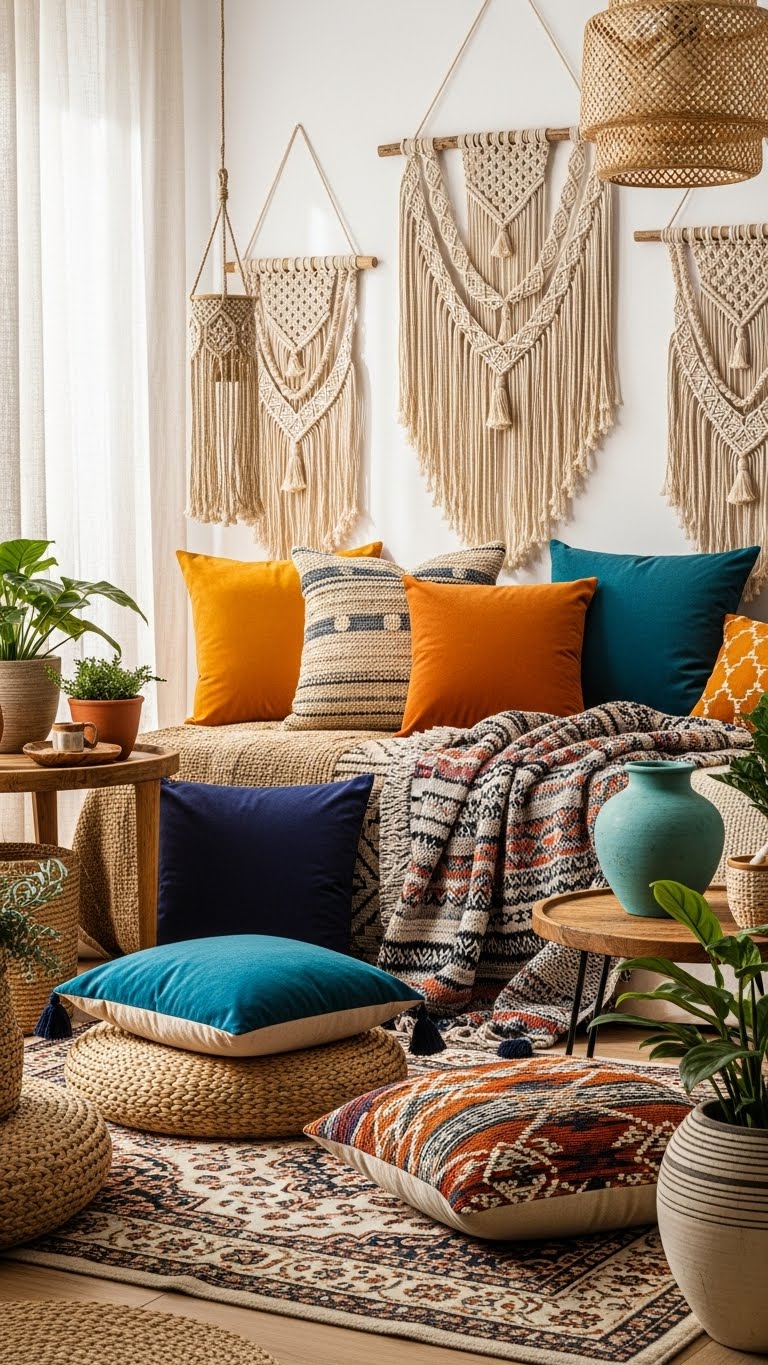
After you stitch together texture and pattern, color will pull the room into a cohesive Afro‑boho statement.
You’ll mix Vibrant Ochre with deep Indigo and pops of Terracotta Teal, balancing bold hues against woven neutrals.
Choose saturated accents—pillows, rugs, ceramics—to anchor mood and movement.
Trust contrast and negative space; they give your palette freedom without chaos.
FunHaus Circus: Stripe Treatments & Playful Maximalism
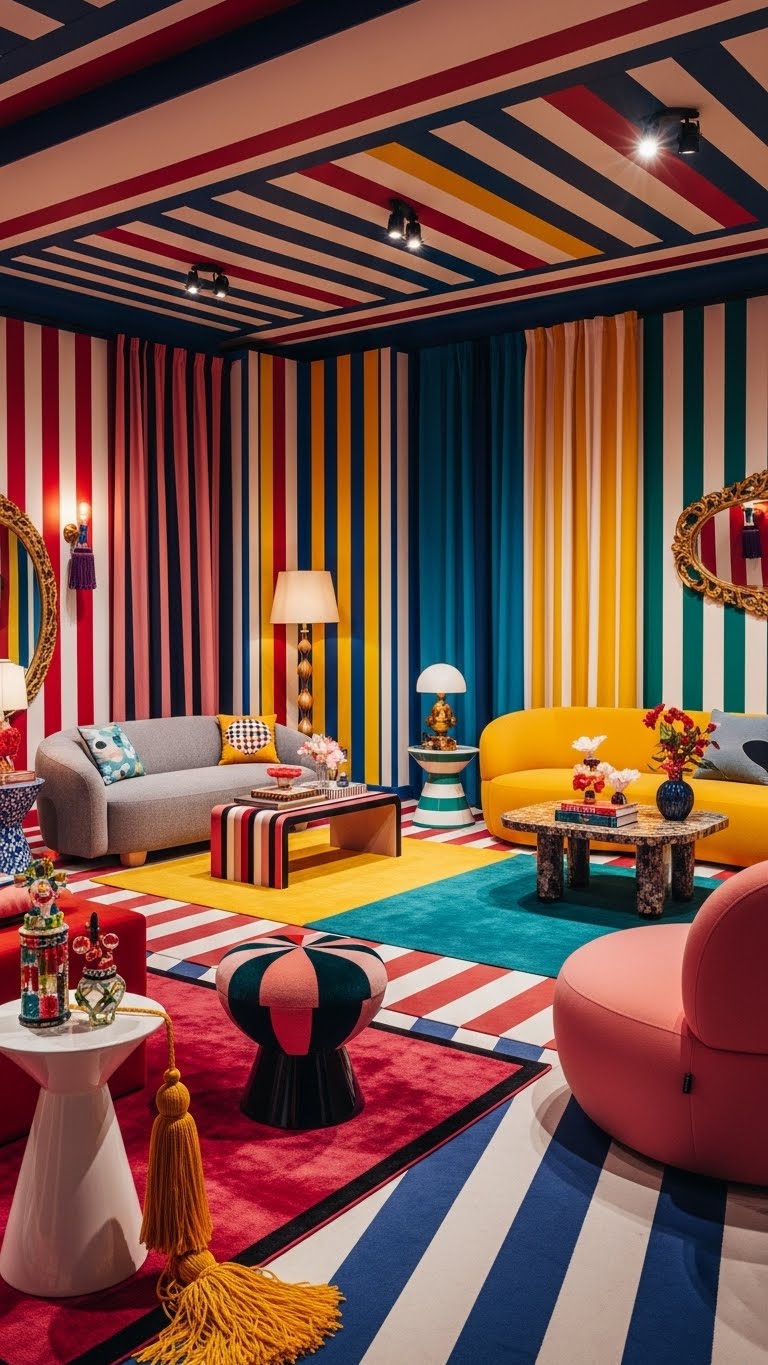
When you layer bold stripes with exuberant patterns, FunHaus Circus turns a room into a confident, playful stage—think oversized verticals, pinstripes, and circus-wide bands that steer sightlines and energize every corner.
You’ll embrace circus stripes and playful maximalism, balancing saturated palettes, sculptural furniture, and cheeky accents.
Trust instincts, break rules, and let joyful chaos define your liberated interiors.
Playful Pattern Placement: When to Go Bold and When to Pause
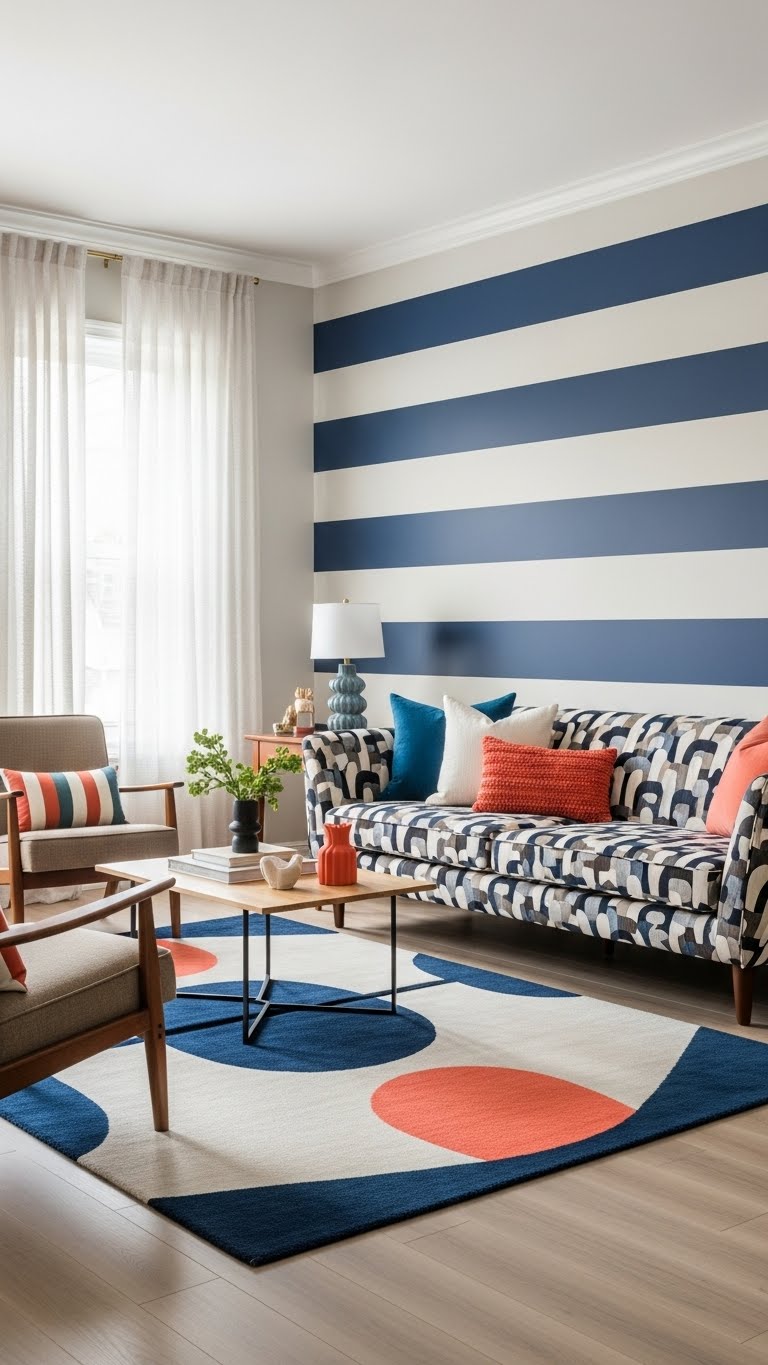
Once you’ve embraced the circus of stripes and sculptural pieces, decide where pattern should sing and where it should hush. You’ll use scale restraint to anchor大胆 accents: pick one wall or sofa for bold prints, then pause with neutral planes. Balance pattern rhythm—repeat shapes subtly, vary scale, let negative space breathe—so your room feels liberated, intentional, and confidently playful.
Upcycling Vintage Bar Carts & Leather Banquettes
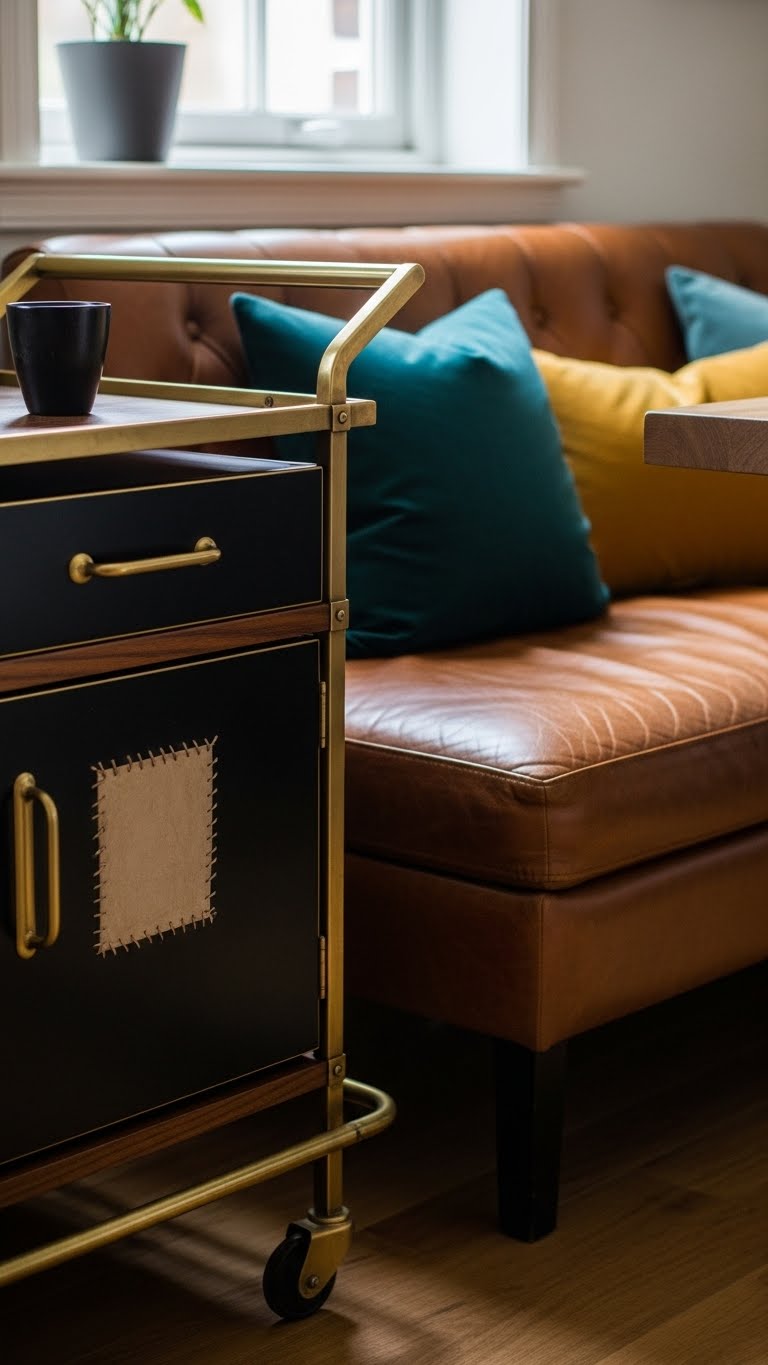
Breathe new life into vintage bar carts and leather banquettes by combining simple restoration techniques with small, modern tweaks that make them feel curated rather than relics.
You’ll strip peeling vintage lacquer, patch hardware, and add matte accents to keep freedom-forward flair. Opt for selective banquette reupholstery in durable, unexpected textiles, preserving patina while injecting contemporary color and mobility for versatile, lived-in style.
DIY Upholstery Tips for Curved Neo‑Deco Furniture
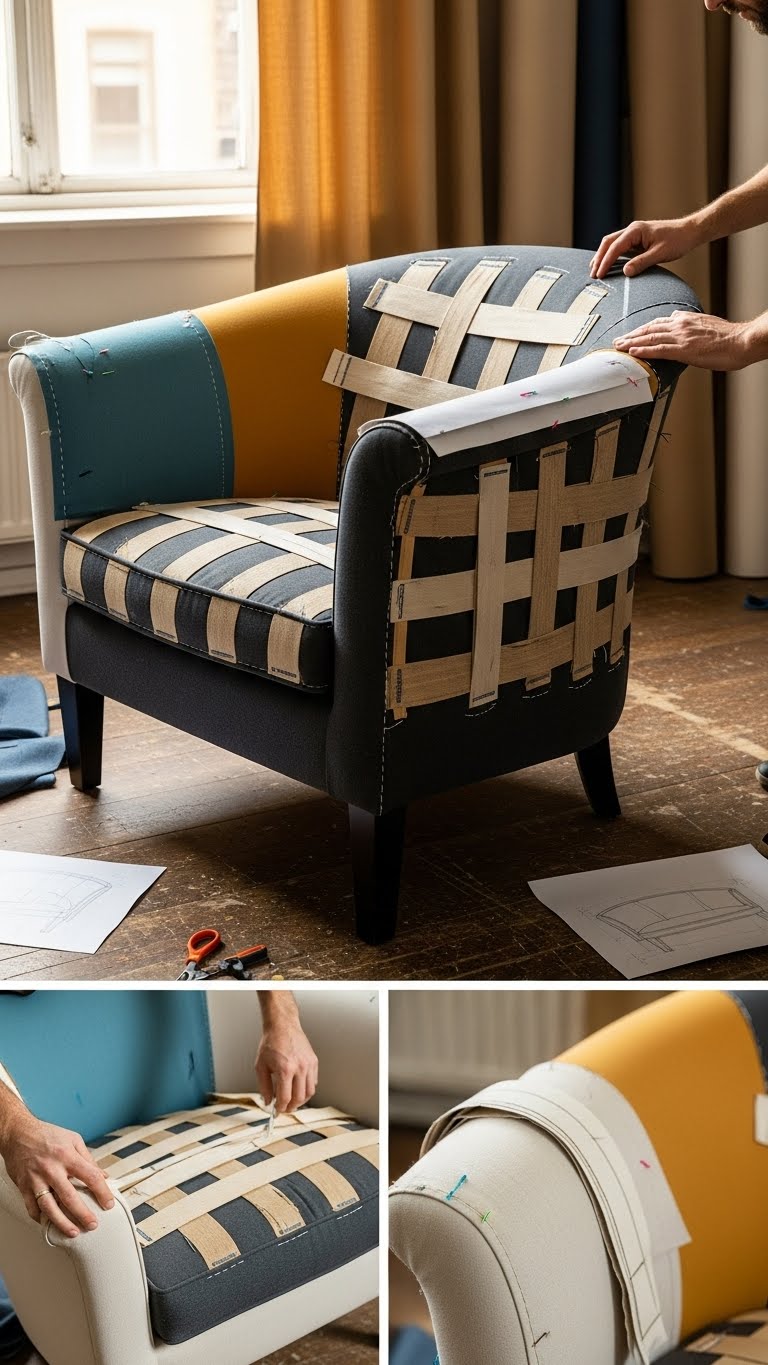
If you want curved Neo‑Deco pieces to read contemporary rather than museum‑staged, start by mapping seams, springs, and frame joins so your decisions are precise and purposeful.
You’ll choose fabrics that flex, install tailored webbing for support, and draft templates for curved piping to follow contours.
Work in sections, test fit panels, and finish edges cleanly so the piece feels liberated, not precious.
Statement Pendant Lamps From Thrifted Parts
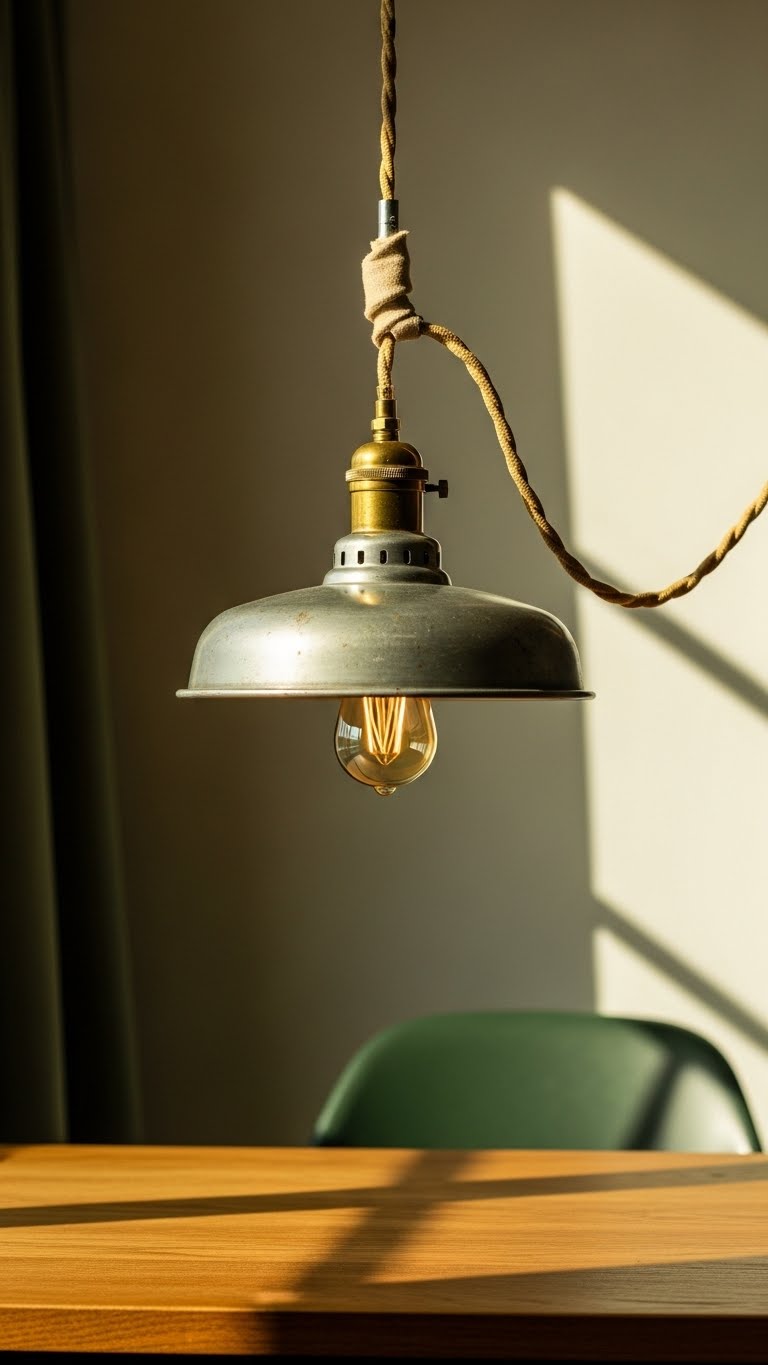
Dig through thrifted finds and you’ll turn overlooked parts into a bold pendant that anchors a room.
You’ll mix repurposed shades with vintage sockets, swap cords and finishes, and sculpt a focal light that feels liberated and intentional.
You’re guided by proportion, texture, and finish—no rules but balance—so your handmade pendant reads chic, sustainable, and unmistakably yours.
DIY Soundscapes: Natural Audio Features for Calm Rooms
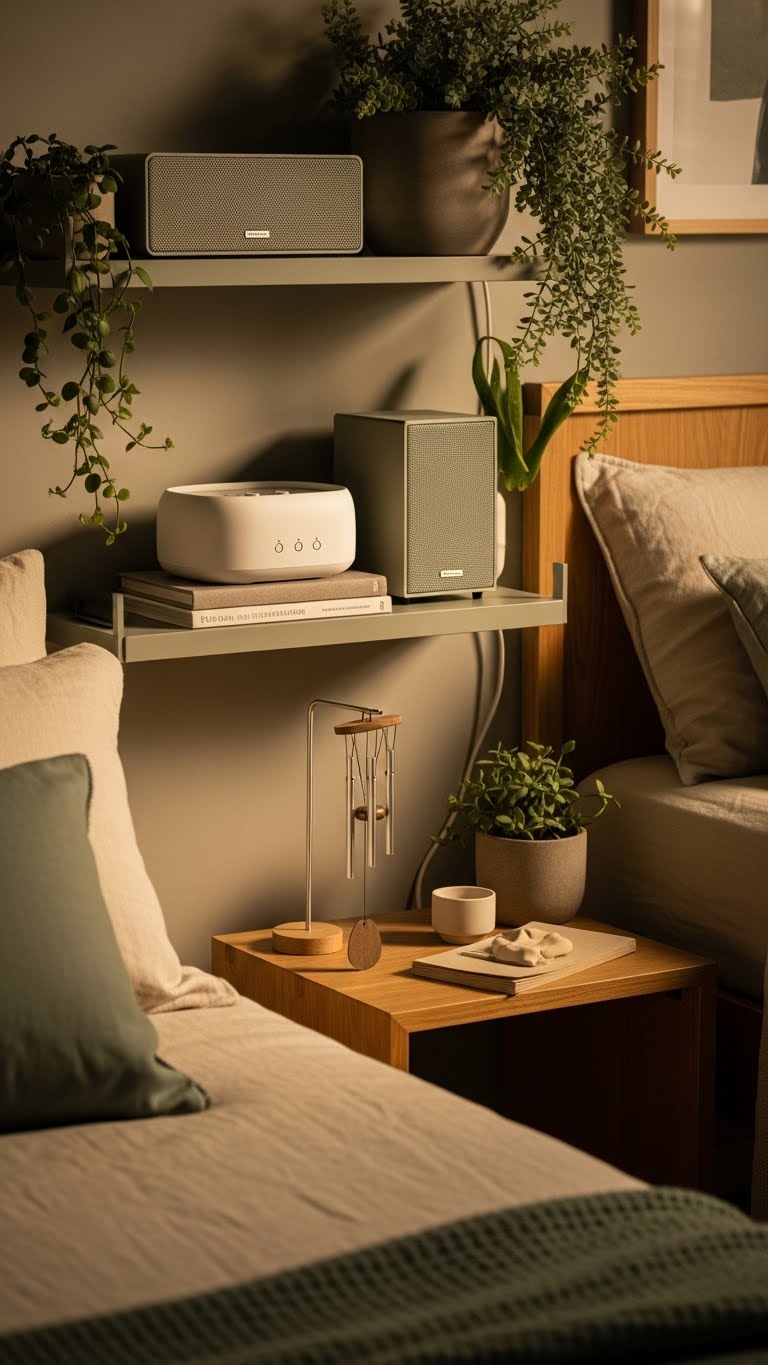
Whether you’re outfitting a bedroom, study, or communal nook, DIY natural soundscapes turn rooms into calm, layered environments that feel intentionally curated. You’ll blend ambient recordings with simple speakers, wind chimes, and running-water modules to create biophonic layering that soothes without dominating.
Place sources strategically, loop subtle tracks, and let texture—not volume—define mood, giving you freedom to tailor serenity.
Home Hydroponics & Herb Towers for Biophilic Kitchens
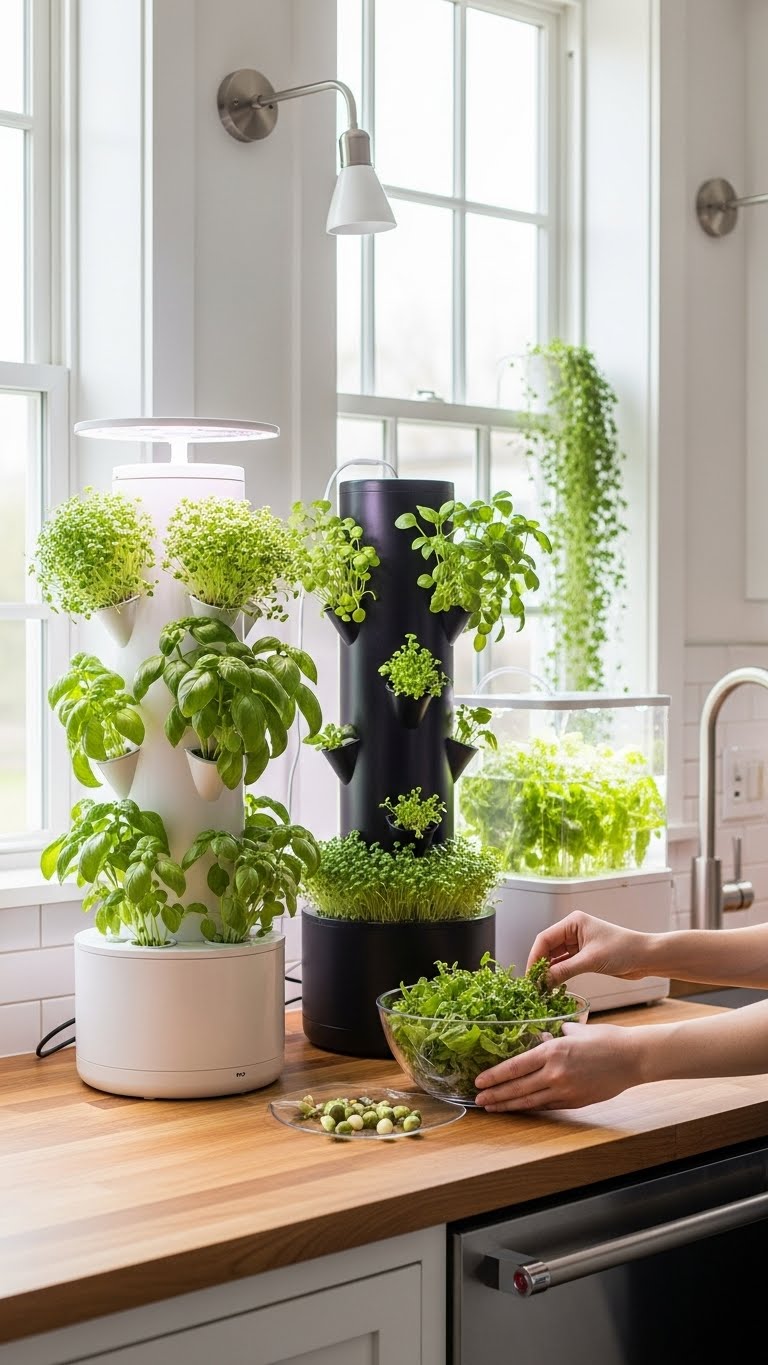
Bringing hydroponics and vertical herb towers into your kitchen lets you harvest fresh greens year-round while keeping the footprint minimal and stylish.
You’ll install microgreens towers for instant salads, choose low-maintenance systems, and pair compact countertop aquaponics for protein-rich cycles.
This setup frees you from store runs, boosts flavor, and aligns with modern, liberated living—efficient, sculptural, and undeniably alive.
Biophilic Planters and Indoor Farming Setups DIYers Build
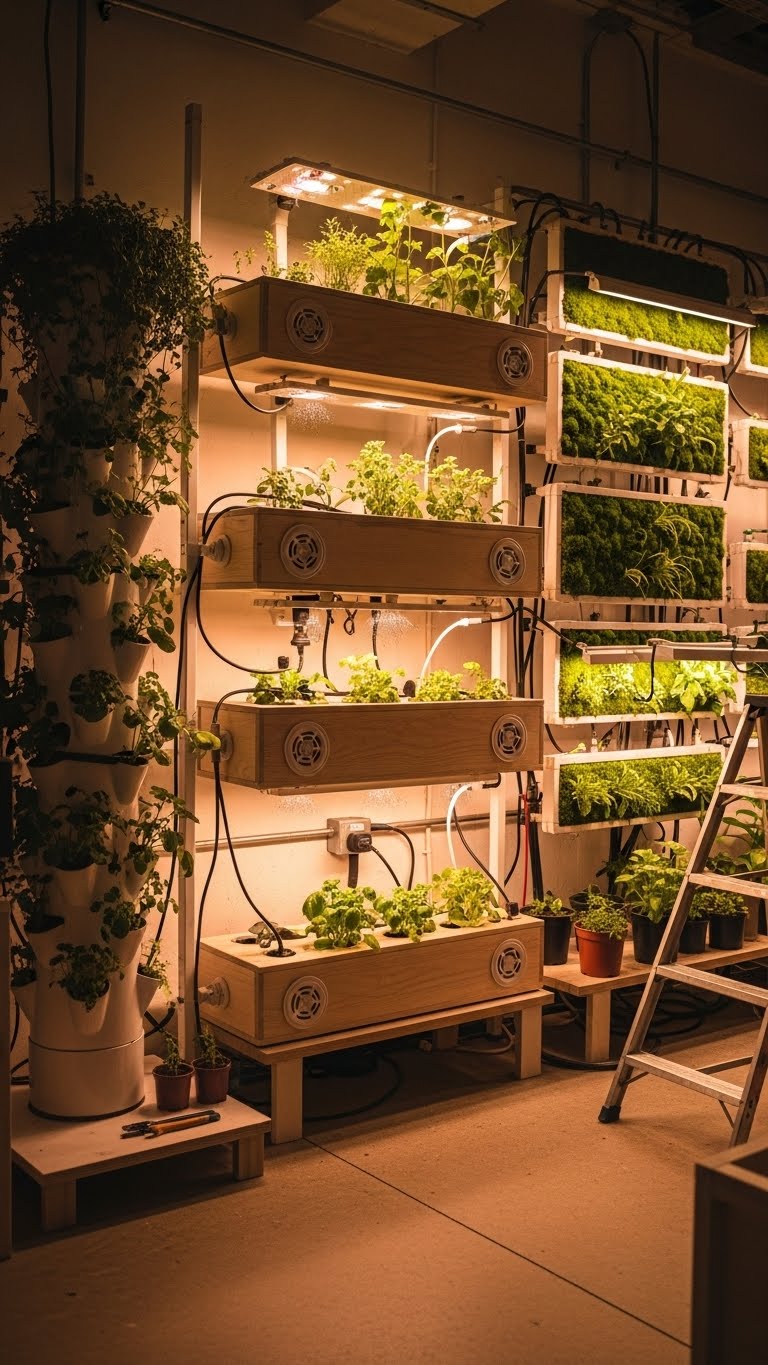
After you’ve set up compact hydroponic and aquaponic elements, many makers expand outward, crafting biophilic planters and indoor farms that blend form with function. You’ll build vertical herbbeds, modular troughs, and moss frames to soften industrial lines, optimizing light and airflow.
DIY rigs prioritize yield, aesthetics, and adaptability so you can grow food, herbs, and calm in liberated, personalized spaces.
Sensorial Digital Murals With Affordable Flexible Displays
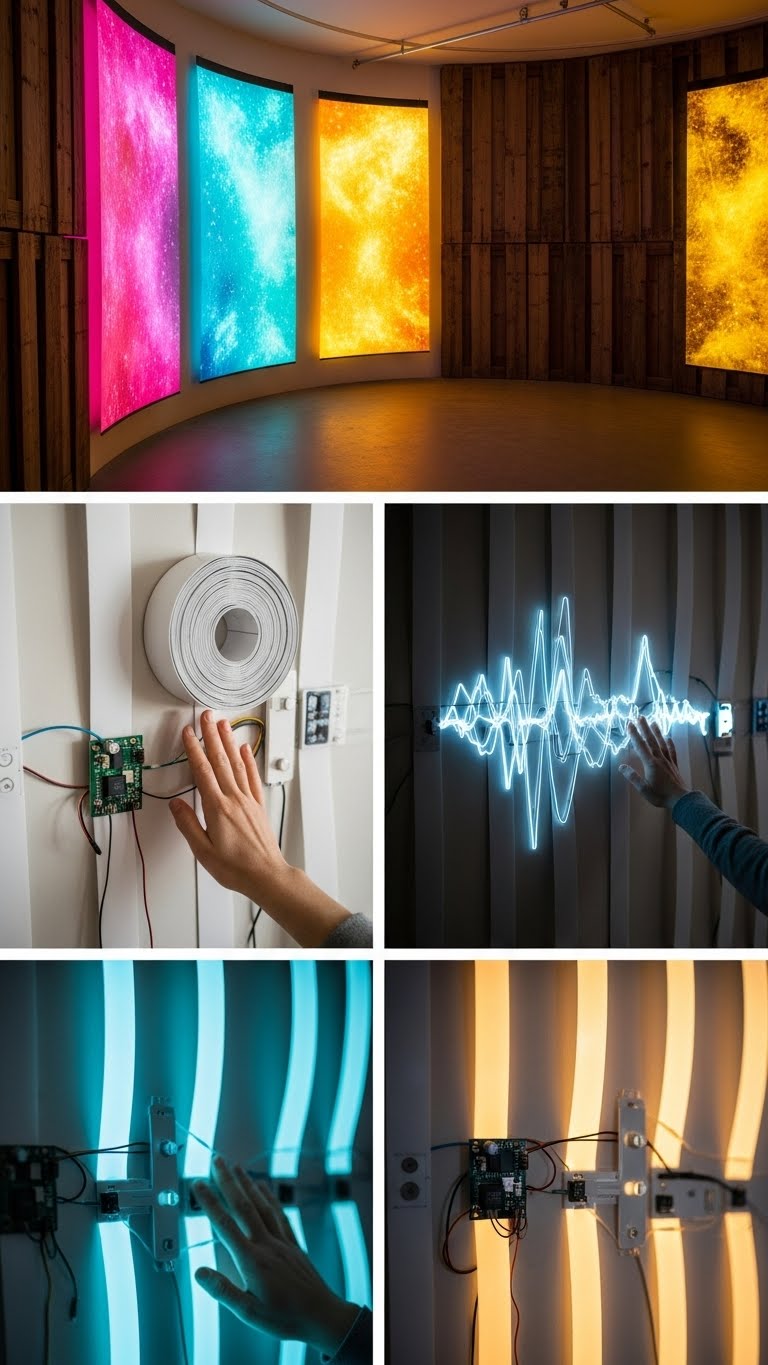
With flexible OLEDs and rollable LED sheets now cheap enough for hobbyists, you can stretch digital murals across curved walls and reclaimed panels to create sensorial surfaces that respond to touch, sound, and light.
You’ll craft flexible murals with simple controllers and open-source code, building sensorimotor panels that react intuitively.
This lets you personalize atmosphere, reclaim space, and stay experimental without corporate constraints.
Incorporating LED/OLED Panels Into DIY Art Displays
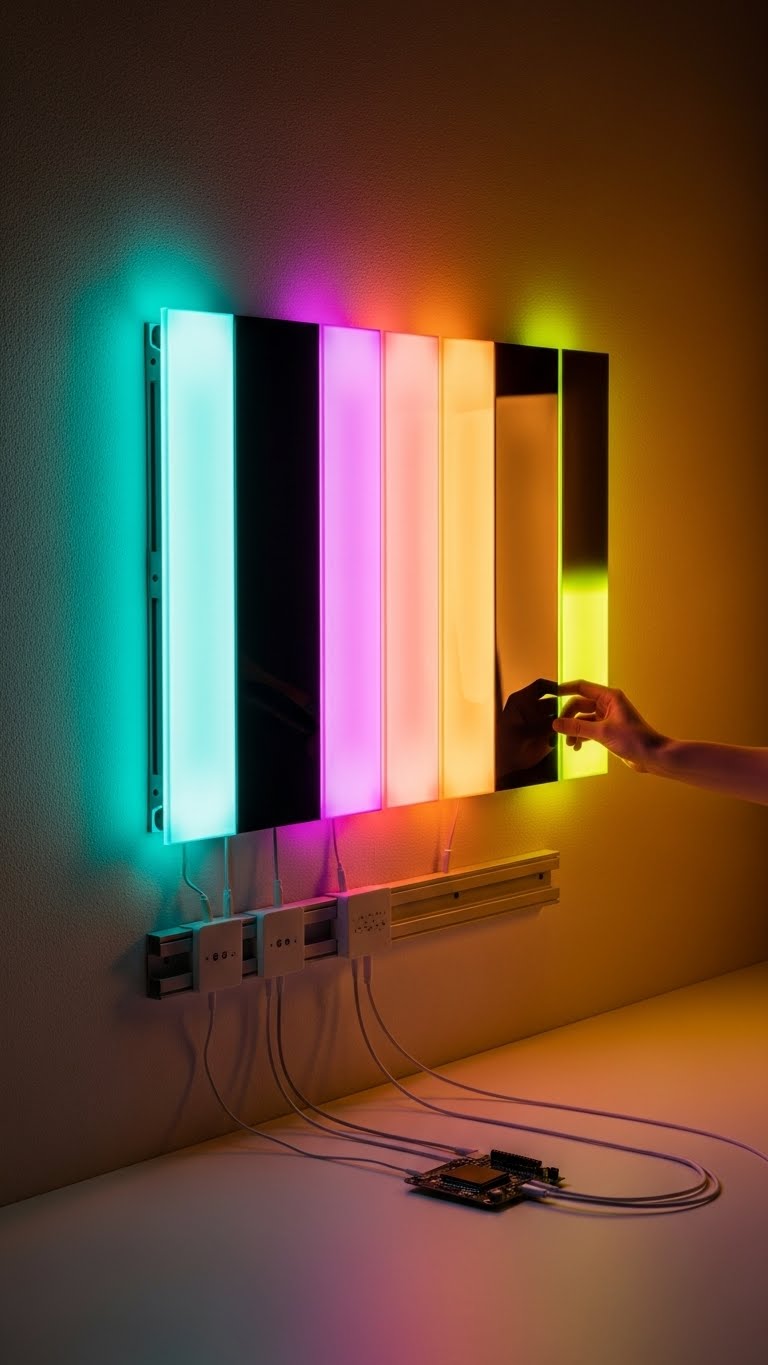
Sensor-driven murals set the mood; now you’ll learn how to integrate the hardware that makes them sing. You’ll pair LED/OLED panels with ambient backlighting, conceal wiring, and use modular mounting for flexible arrangements.
Choose slim controllers, prioritize color calibration, and design power access. You’ll craft dynamic, responsive art that’s easy to reconfigure, expressive, and built for freedom.
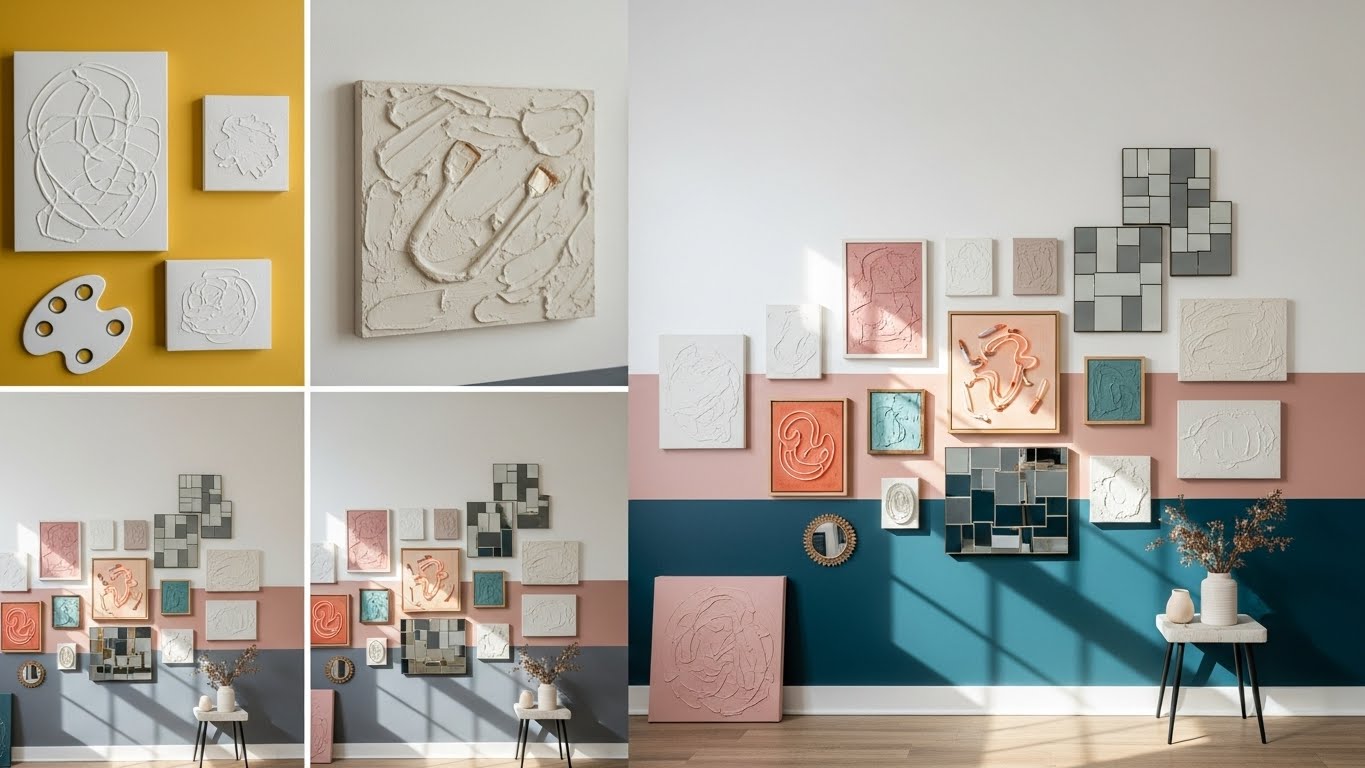
Textured Plaster & Clay Finishes for Tactile Depth
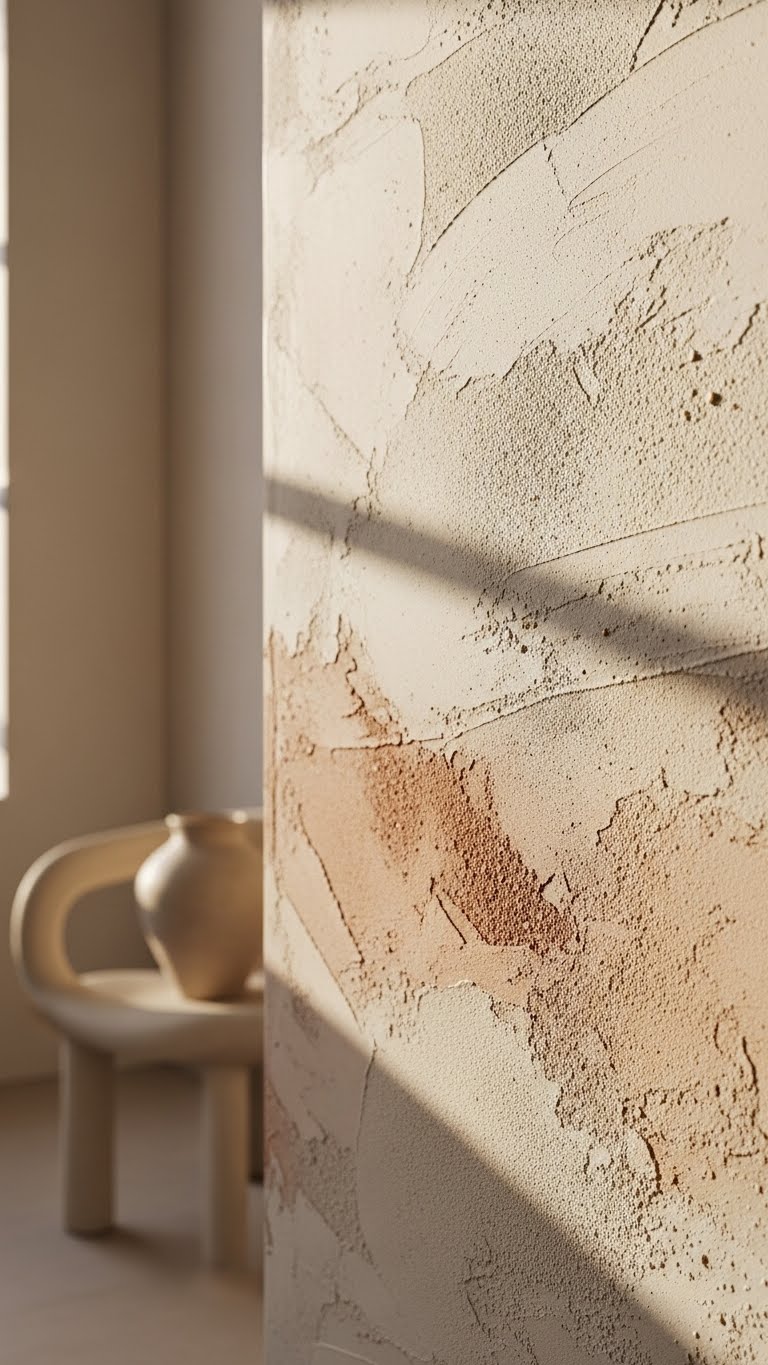
If you want walls that invite touch and frame light, textured plaster and clay finishes give you tactile depth without sacrificing modern minimalism.
You’ll embrace tactile layering—built in thin passes, swiped or troweled—to create subtle micro reliefs that catch shadow.
Mix natural pigments, sand, or earthen binders, then seal lightly.
The result feels handcrafted, liberating, and quietly luxe.
Chrome & Brass Refurb: Polishing, Plating Alternatives, and Safety
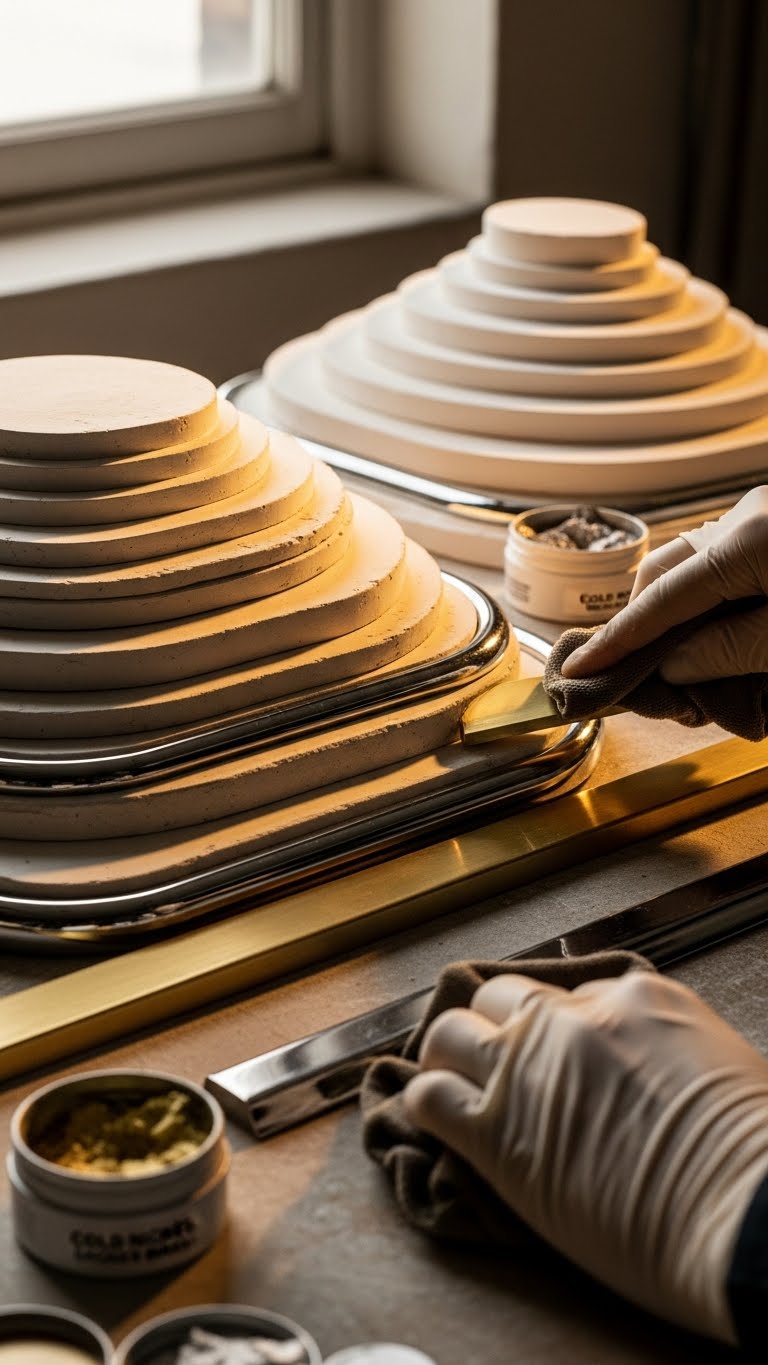
After you’ve layered plaster and clay to catch light and invite touch, metal finishes bring a complementary crispness that frames those surfaces. You’ll master polishing techniques for chrome and brass to revive shine without overworking patina. Choose plating alternatives like cold nickel or lacquered brass for DIY-friendly, lower-toxicity results.
Prioritize ventilation, gloves, and proper disposal so your freedom to experiment stays safe.
Sustainable Materials & Circular DIY Trim‑and‑Finish Hacks
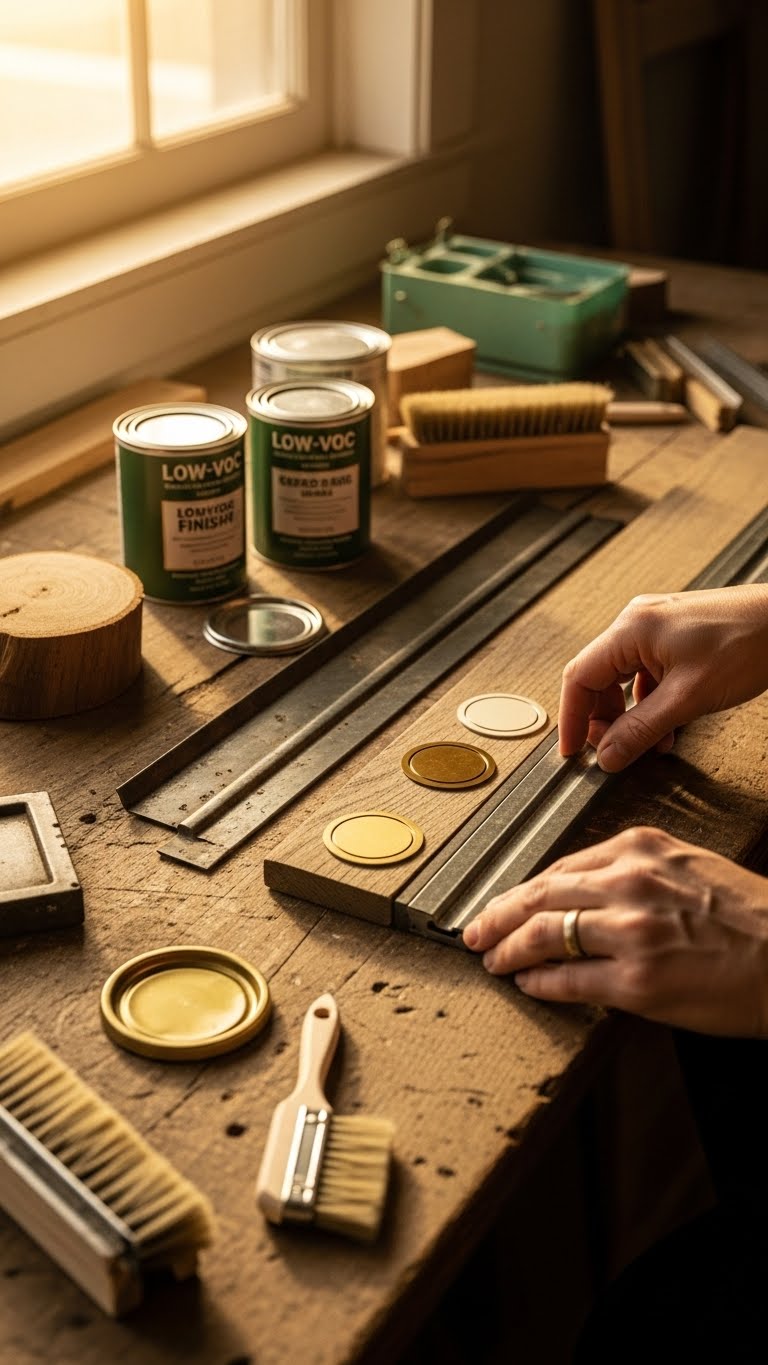
Start with materials that shorten the supply chain and lengthen a piece’s life: reclaimed metal trims, salvaged hardwoods, and low-VOC finishes give your trim-and-finish projects the look you want while cutting waste and harm.
You’ll choose reclaimed trim and apply circular finishes, upcycling scraps, repairing rather than replacing, and designing modular details so your work stays stylish, resilient, and freely adaptable.
Small‑Budget Projects That Deliver High Aesthetic Impact
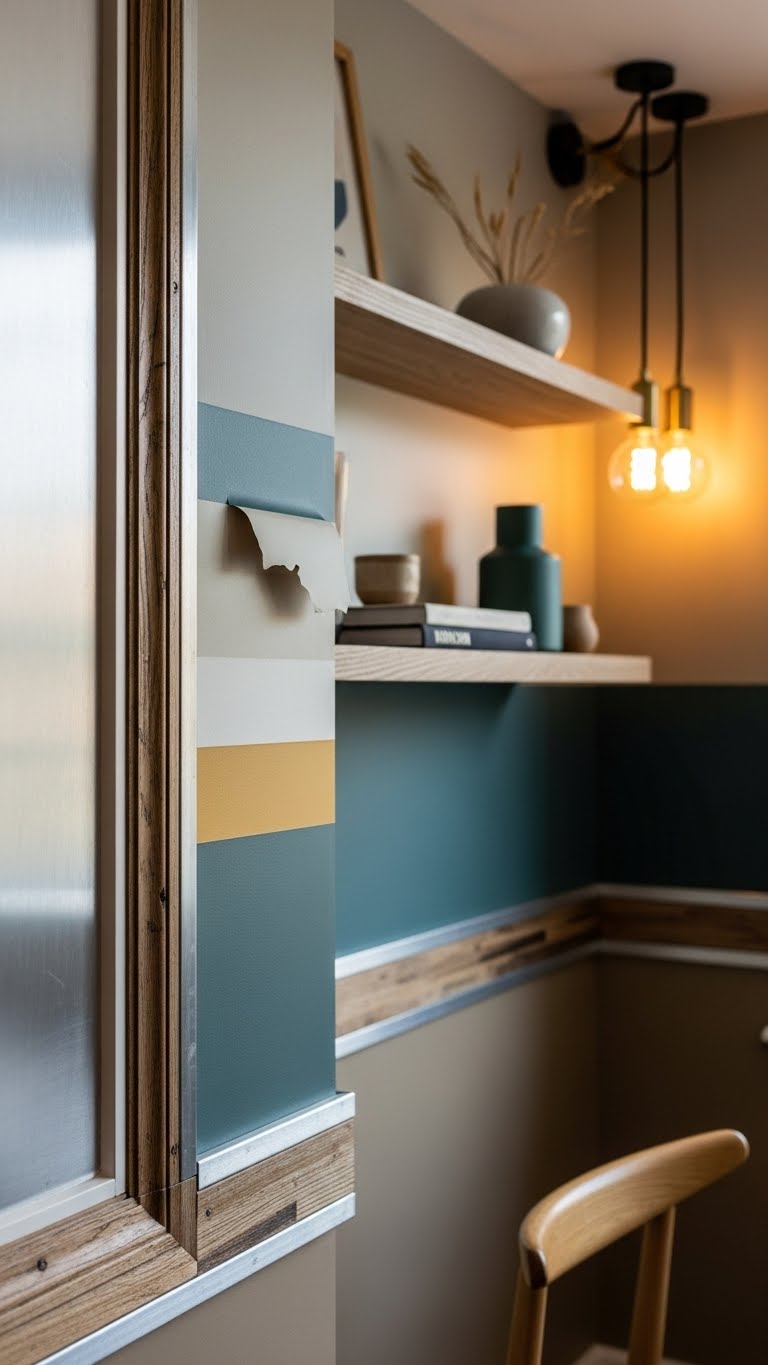
Think small to make a big statement: with reclaimed metal trim, salvaged hardwood offcuts, and a few cans of low‑VOC finish you can transform baseboards, window sills, and door casings into boutique‑grade details without blowing your budget.
Layer peelable wallpaper on accent panels, swap in budget lighting, add floating shelves and textured paint.
You’ll get high-impact results that feel deliberate and free.
Photo‑Ready Styling for Selling or Sharing Your Projects
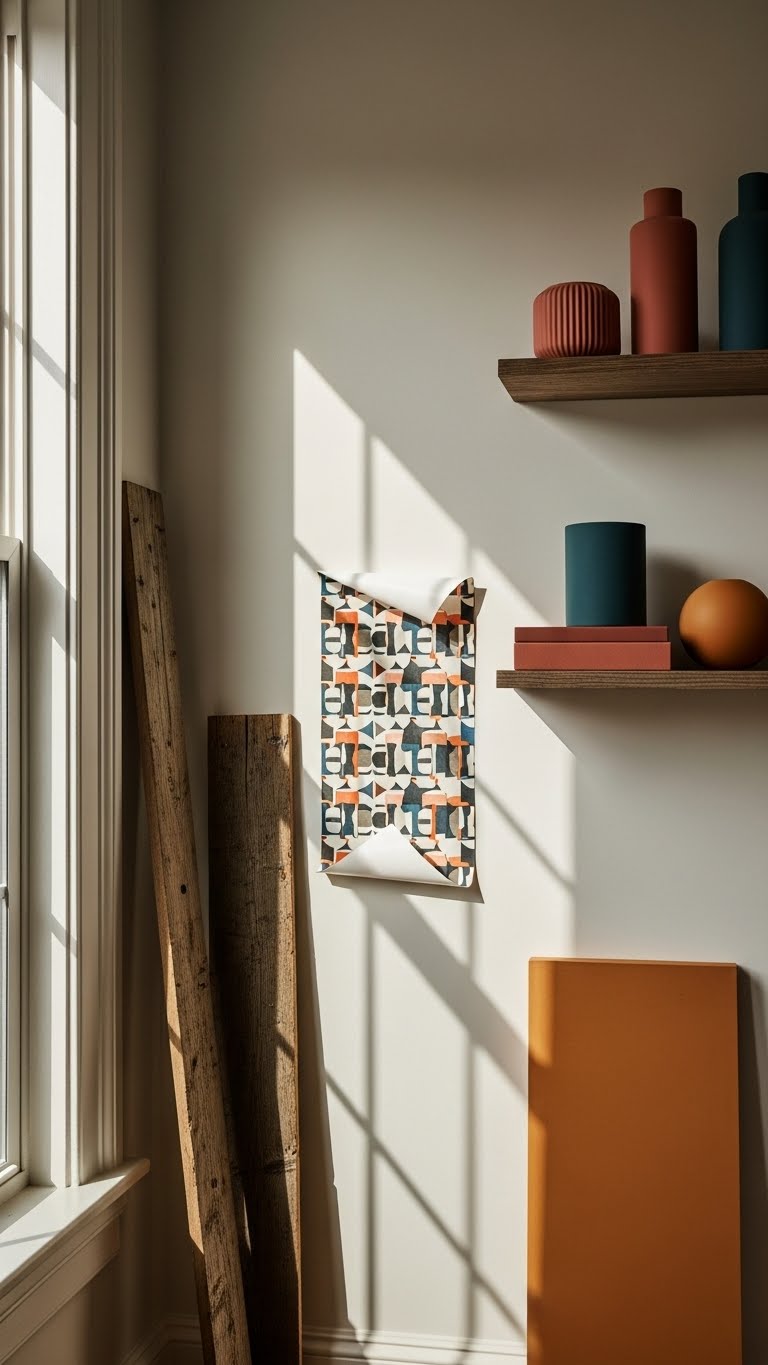
Polish your small-budget upgrades so they read instantly on camera: position reclaimed trim and salvaged wood to catch soft window light, layer the peelable wallpaper panel as a clear focal point, and keep shelves sparsely styled so textures and color pops read from a distance.
You’ll use natural lighting, tight product staging, shallow depth, and bold color grading to sell the lifestyle you made.
Troubleshooting Common DIY Decor Mistakes and Fixes
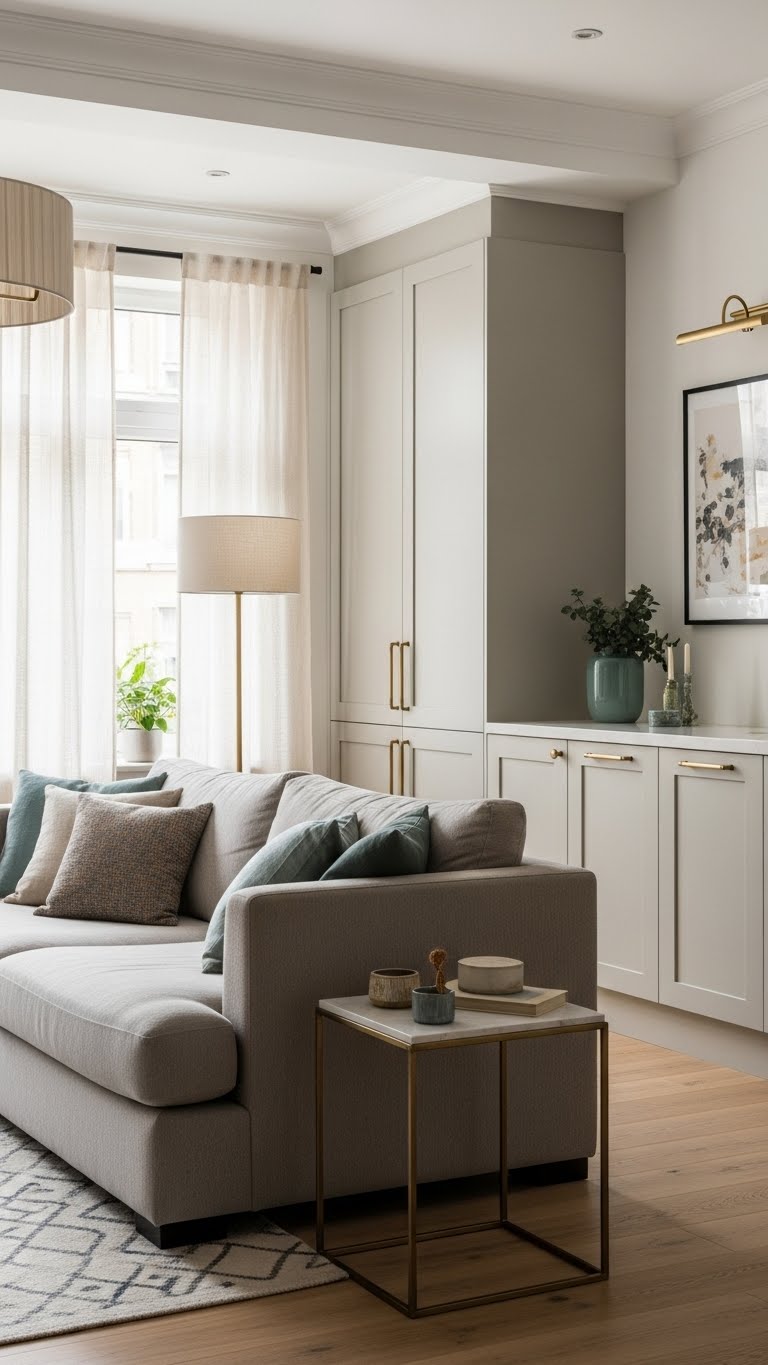
When a DIY refresh doesn’t photograph or flow the way you pictured, troubleshoot like a pro: identify the weakest visual element—scale, lighting, or clutter—then fix the smallest, highest-impact mistake first.
Measure twice to avoid measurement mistakes, swap or unify contrasting hardware to cure finish mismatches, tweak placement for balance, and embrace edits that free the space while keeping your signature style intact.