I’ve been obsessed with creating borders that make my little yard feel like a cozy cottage, which is why I spent so much time experimenting with the best companion plants for agapanthus – they’re such showstoppers. Every summer those blue-purple umbels make me ridiculously happy, but pairing them right is what turns “nice” into “wow” – and I love sharing the combos that actually work.
I wrote this because I kept getting questions from friends about what to plant next to their agapanthus, and honestly I learned most of it by trial and a few awkward mistakes. I overplanted once, fought slugs for weeks, and learned that texture and bloom time are everything.
Below you’ll find 15 easy companion ideas, real-life tips from my garden, and simple ways to mix colors and shapes so your agapanthus looks like it belongs in a magazine – not just my messy backyard. Enjoy, and feel free to steal any layout you love.
15 Perfect Companions for Agapanthus You’ll Want to Try
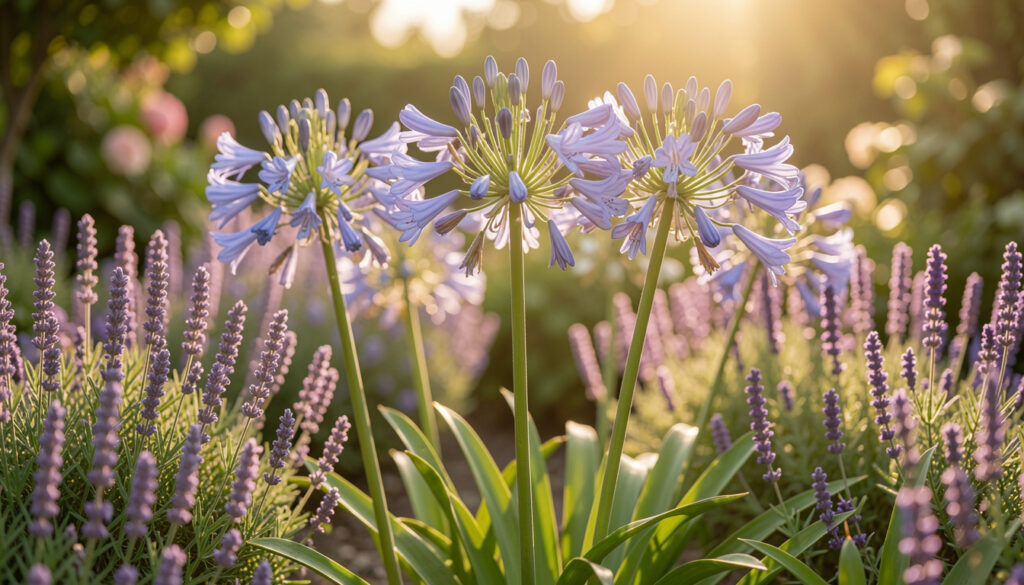
Relaxed Lavender Border
Lavender and agapanthus are the classic Mediterranean pairing – both love sun and well-drained soil, and the silver foliage of lavender really sets off those blue flower clusters. I planted this combo along a path once and the bees declared it their hangout spot, which made my morning coffee breaks extra lovely. If you have a tendency to overwater like I do, just promise yourself to let the soil dry a bit between drinks.
Pops of Purple Salvia
Salvia brings upright spikes and long bloom time, which pairs beautifully with the round agapanthus heads – the contrast is so pretty. I love that salvias come in different purples and blues, so you can choose a shade that complements your agapanthus. Quick note – salvias attract hummingbirds, and I still get excited when one zips by my window.
Potted Mixed Blooms
Planting agapanthus in a big pot with a few companion perennials like geraniums and small sages is a lifesaver for patios. I did this on my balcony last year and it looked intentional instead of accidental – which, yes, was a small victory. If you live in frost-prone areas, containers also mean you can move your plants for protection.
Lavender & White Mix
Pairing white-flowered perennials with agapanthus creates a crisp, elegant look – think white roses or phlox with a lavender understory. I once set up a bench near that combo and invited my friend over just so we could sit in the exact spot and take pictures – yes, we were extra. The white blooms keep the palette fresh and make agapanthus pop even more at dusk.
Benchside Blooms
Using agapanthus as a backdrop to a small wooden bench creates a dreamy seating nook – add low geraniums or nepeta in front for a soft layered look. I made a bench corner last spring and somehow it became the go-to spot for awkward phone calls and daydreaming. The key is keeping taller agapanthus slightly behind lower companions so the bench feels nestled, not swallowed.
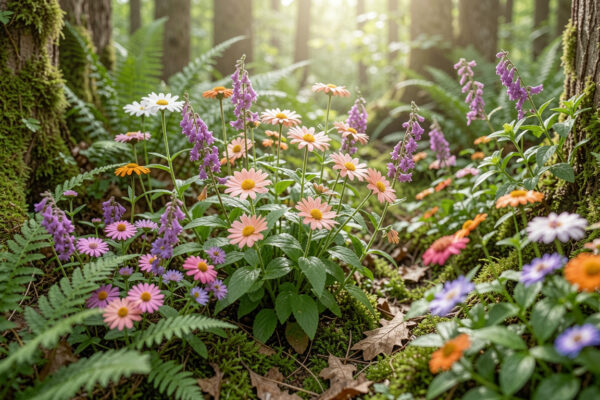
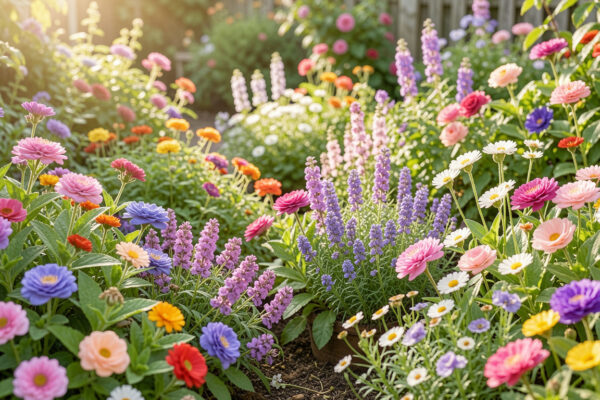
Cottage Flower Mix
Agapanthus plays so well in a cottage-style border alongside echinacea, rudbeckia, and salvias – you get variety and a long season of interest. I like to let some foliage get a little unruly; honestly, a perfectly tidy border looks less inviting to me. If you want pollinators, this is basically a magnet – expect bees and butterflies and be ready to enjoy them.
Blue Wall Flowers
Planting agapanthus near a white or light-colored wall makes the blue tones sing, especially with low-growing blue campanula or wallflowers in front. I painted a little white feature wall in my courtyard and watched the whole area brighten up once the agapanthus bloomed. Pro tip – a light backdrop helps your companion plants read as a cohesive group.
Small Blue Groundcover
For the base layer, try a low blue-flowering groundcover like plumbago or lobelia – it fills gaps and hides bare stems. I used lobelia in a small bed once and it made the base look lush even when the agapanthus was between flushes. Be aware some groundcovers can spread fast, so give them room to roam or a barrier if you’re tidy-minded.
Fence-Edge Combo
Against a wooden fence, agapanthus with foxgloves or tall phlox can create nice vertical interest and hide boring fencing. I lined my backyard fence with a couple of tall perennials and it suddenly felt hugged – strange but true. Just stagger heights so nothing looks like it’s shouting for attention all at once.
Container Blue Pots
Large pots let you mix agapanthus with annuals like petunias or calibrachoa for continuous color without committing to a permanent bed. I once mixed a dash of trailing petunias with a potted agapanthus and loved the cascade effect so much I copied it for my mom. If you do pots, use a well-draining mix and think about weight – big pots get heavy fast.
Blue Bench Garden
A painted bench paired with agapanthus and soft perennials creates a styled, intentional vignette that looks store-bought but isn’t. I have a blue bench that my neighbor insists on sitting on whenever she comes over – it’s the unofficial chat spot. Keep the planting informal and let volunteers tuck in – I love unexpected plants joining the party.
Stone Pot Pairing
Stone pots and agapanthus scream old-world charm; add a few seasonal bulbs or annuals in the same container to keep color steady from spring into summer. Once I left tulips in the pot with agapanthus and it was a happy accident – the timing was oddly perfect. Stone gives a neutral anchor so even bold companions feel balanced.
Meadow Blue Patch
Letting agapanthus mingle with meadow-like perennials such as yarrow and scabiosa creates a soft, loose border that moves in the breeze. I planted a small patch to mimic a meadow and it instantly made my postage-stamp yard feel much larger. If you like a slightly wild look, this is the one to try.
Purple Garden Clump
Grouping agapanthus with other purple-toned plants gives a rich, layered palette – try asters or salvias for fall extension. My first attempt at a monochrome bed looked like a purple velvet curtain and I was simultaneously proud and a little dramatic about it. For depth, mix foliage textures so it never reads flat.
Colorful Cottage Garden
Pair agapanthus with a cheerful mix of coreopsis, geraniums, and even small roses for a romantic cottage vibe that’s full of personality. I once rescued a couple of geranium starts from a friend and they became the backbone of my cottage border – proof that cheap or free plants can look luxe. If you want effortless charm, embrace a slightly haphazard layout and trust plants to fill in.
How to Actually Make This Work For You
First, think of height, texture, and timing as your three best friends – plant taller things like salvia or phlox behind your agapanthus, use low groundcovers or geraniums in front, and mix both evergreen texture and seasonal blooms so there’s always something interesting; water sparingly once established because agapanthus dislikes soggy feet and loves a little drought. Second, start small and observe – I usually plant one trial clump of a new companion before committing to a whole border, which saves heartache and accidental overcrowding. Third, be practical about your climate – many great companions are Mediterranean-friendly (lavender, rosemary, salvias) if you’re in similar conditions, but if you’re in a cooler, damper area choose hardy geraniums and sedums and give them a little extra drainage; rotating containers and adding grit to beds are simple fixes that will keep both your agapanthus and friends thriving.
How much sun does agapanthus need?
Agapanthus generally prefers full sun to part shade – aim for at least six hours of sun if you want lots of blooms. In very hot climates a bit of afternoon shade can help keep foliage from scorching.
Do agapanthus need special soil?
They like well-draining soil and won’t be happy in consistently waterlogged conditions, so add coarse sand or grit if your soil is heavy clay. A little organic matter is fine, but avoid heavy, moisture-retentive mixes.
When should I plant companion perennials?
Plant companions either in spring or fall when temperatures are milder and plants can establish roots before extreme heat or cold. If you’re using containers, you can be more flexible and move pots to protect new plants.
Any maintenance tips for mixed borders?
Deadhead spent flowers to encourage longer blooming and divide overcrowded perennials every few years to keep things looking fresh. Keep an eye on watering needs since different companions might prefer slightly different moisture levels – grouping similar water-lovers together makes life easier.