I’m obsessed with yellow flowering perennials for shade – they feel like tiny suns in the cool corners of my garden and always lift my mood. I remember the first time I tucked a clump of gold blooms under a maple and thought, wow, this corner finally has life.
I put this list together because shade can feel limiting, but it doesn’t have to be boring – I’ve tried lots of options over the past few years and learned what actually performs without whining plants or constant fuss. I’ll share what worked for me, what surprised me, and a few plant personalities you’ll probably fall for.
Scroll through these 15 picks with real-life notes, quick care tips, and the sort of honest chat I’d have over coffee with my gardening bestie – you’ll walk away with options you can actually use.
These 15 Yellow Flowering Perennials for Shade You’ll Actually Love
Sunny Black-Eyed Susans
Rudbeckia, or black-eyed Susans, are a classic – I planted a patch by a shady fence and it turned dull soil into a cheerful scene. They tolerate part-shade surprisingly well and the dark centers give a nice contrast when everything else is green. You might need to deadhead occasionally if you want continuous blooms, but honestly, I sometimes forget and they still look great.
Soft Yellow Hellebores
Hellebores bloom early and feel a bit magical after winter – I always smile when I spot their nodding faces under my evergreen shrubs. They prefer deep shade and are super low-maintenance once established, which is perfect if you’re like me and forget to water on schedule. Quick note – wear gloves if you’re sensitive, they can be a tiny bit prickly to tidy up.
Golden Ligularia Touches
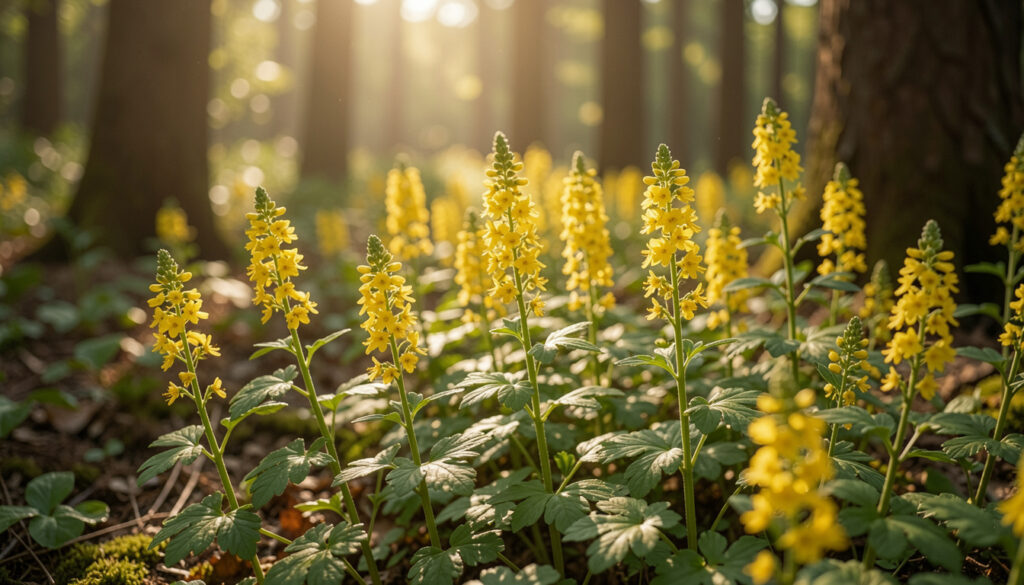
Ligularia brings bold yellow spikes that pop in shady borders, and the dramatic leaves are a whole mood. I planted one at the back of a bed and it became the neighborhood show-off – hummingbirds liked it, too. Be mindful of soil moisture – mine sulked in dry spells until I mulched properly.
Yellow Primrose Clumps
Primroses are such a joyful little plant – they handle dappled shade and are great for edging paths where foot traffic is light. I planted a mix of yellow and pale tones and it felt like spring on repeat; my cat also approved, sitting nearby like it was a sun patch. They prefer rich, moist soil so a little compost goes a long way.
Golden Yellow Columbine
Aquilegia’s delicate nodding flowers are charming in partial shade and fine for naturalized areas where you want a cottagey vibe. I had volunteers pop up from seed after the first summer – such a pleasant surprise, honestly. Keep in mind they self-seed, so if you’re tidy, deadhead as blooms fade.
Creamy Yellow Astilbe
Astilbe brings feathery plumes and pairs beautifully with hostas in deep shade – I love the texture contrast it gives. My shady side garden was looking flat until I added a row of pale yellow astilbe; suddenly it felt layered and sophisticated. They do appreciate steady moisture, so they’re my go-to by the rain barrel.
Cheerful Yellow Daylilies
Daylilies are tougher than they get credit for and some varieties bloom reliably in part shade – I’ve let a few naturalize under taller shrubs and they pop up every year like clockwork. They’re almost effortless and forgiving, which I need when life gets busy. If you’re aiming for long-season color, plant different cultivars for staggered blooms.
Sunny Yellow Bergenia
Bergenia has glossy leaves and early yellow blooms that brighten gloomy spots – mine serve as evergreen anchors in winter. Once, I accidentally knocked over a pot and the bergenia shrugged it off; resilient plants are my favorite. They like well-drained soil and tolerate deep shade, plus deer usually ignore them.
Gold Rudbeckia laciniata
This cut-leaved rudbeckia variety has a looser, airy feel and is great for naturalistic plantings in partial shade. I mixed it with some purple salvias once and it made the whole bed feel intentional, not chaotic. It does like some sun but tolerates dappled light better than you might expect.
Little Yellow Coreopsis
Coreopsis can handle light shade and rewards you with cheerful, daisy-like blooms – I swear this one is my “instant happiness” plant. I planted a row along a shady path and it felt like sunshine escorting you down the walkway. They’re drought-tolerant once established, which is surprisingly handy.
Sunny Yellow Viola Patches
Violas and pansies are tiny but mighty in shade containers or borders, and their yellow faces are impossible to resist. I use them to fill gaps where other perennials haven’t filled in yet – and they pretty much beg to be photographed, not that I do that often, ha. They prefer cooler temps so they’re great in spring and fall plantings.
Yellow Toad Lily Surprises
Tricyrtis, or toad lilies, have quirky, speckled blooms and handle deep shade with aplomb – they’re a late-season delight when most things are fading. I planted a few beside a fern patch and the unexpected blossoms felt like a reward for being patient. They like humusy soil and regular moisture, so keep that in mind.
Bright Yellow Primula Japonica
Japanese primulas form neat clusters and offer tall stalks of yellow that lift the front of shady beds beautifully. I planted some near my pond and the reflection plus the blooms made the whole corner feel cinematic, if I may say so. They’ll appreciate consistently moist soil – perfect for water-wise gardeners who remember to top up.
Cheery Yellow Shasta-like Daisies
Some cultivars of Leucanthemum handle light shade and give that classic daisy look – they’re my go-to when I want accessible happy flowers without high drama. Once I mixed them with lavender and it was a tiny backyard miracle – bees loved it, and so did I. Trim spent blooms and they’ll give you more reward.
Late-Season Yellow Sedum
Certain sedums can tolerate part shade and bring late-summer golden clusters that last into fall – I rely on them to keep color when other things fade. I have one on a north-facing ledge and it turns into an insect magnet in the best way. They’re drought tolerant so they’re perfect if you’re not a daily waterer.
How to Actually Make This Work For You
Start by assessing how much real shade you have – morning sun and dappled light are very different from deep, constant shade, and that will change which of these yellow flowering perennials for shade you pick. Prep soil with compost and keep moisture consistent for the first season so plants settle in, then let them reveal their preferences; some will want extra water, others will need better drainage. Don’t be afraid to experiment in small groups – I always start with three of a kind and move them around if they sulk, and that trial-and-error is half the fun.
Will these plants bloom in full shade?
Most prefer part shade or dappled light rather than full, deep shade; however, species like hellebores and bergenia will still provide blooms and structure in darker corners. Match plant choice to your specific light conditions for best results.
How often should I water shade perennials?
Shade often means moister soil, but watering needs vary – keep soil consistently slightly moist the first year, then adjust based on plant performance. Mulch helps retain moisture and reduces how often you need to water.
Are yellow flowers in shade more prone to pests?
Not necessarily, though damp, crowded conditions can invite slugs or fungal issues; good airflow and avoiding over-crowding helps a lot. I lost a seedling to slugs once and now I keep a few beer traps around, which helped immediately.
Can I mix these yellow perennials with other colors?
Absolutely – yellow pairs beautifully with purples, blues, and soft whites in shade gardens; contrast really makes those tones pop. I love pairing yellow astilbe with purple heuchera for a lively, unexpected pairing.