I’ve been obsessed lately with low maintenance woodland garden design – it’s my go-to when I want a backyard that feels like a tiny, forgiving forest. I love that kind of garden because it feels wild but measured, like nature’s cozy sweater that doesn’t need constant mending.
I started experimenting last spring after moving into a shady house and realizing a conventional lawn was asking for too much from me, honestly – between work and weekend brunch dates, I needed something that would thrive if I forgot it existed for a week. I learned a ton by trial and error, and also by accidentally planting a whole bed of ferns that refused to die, which I consider a bold success.
In this post I’ll walk you through 10 soft, low maintenance woodland garden ideas with real-life tips, small DIY notes, and things I actually tried – so you can pick and choose what fits your space and schedule.
10 Soft Woodland Garden Ideas You Can Actually Enjoy
Blue Cottage Garden
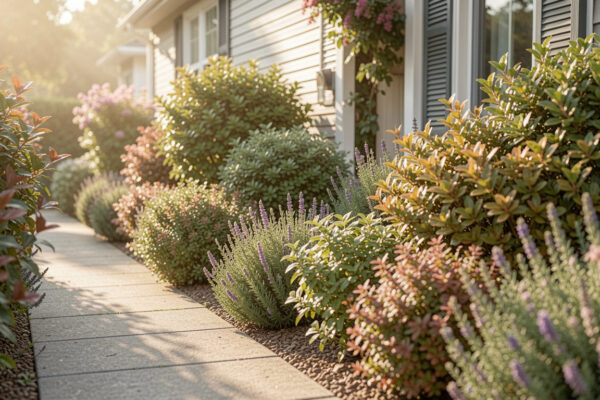
This look pairs a calm house color with layered, informal planting around the foundation, which I adore because it reads like an invitation rather than a to-do list. I copied this vibe by planting a mix of native perennials and a couple of shrubs, and the payoff was instant privacy and so much less mowing. You don’t need perfection – I left one tiny patch of clover and it gave the garden this charming, lived-in feel. If you’re shy about color, start with soft blues, whites, and greens, and let texture do the heavy lifting.
Arched Brick Path
That dreamy brick path and archway? It’s classic woodland romance without high maintenance – bricks settle and look better as moss and time approach them. I built a similar path using reclaimed pavers and mixed in patches of thyme and moss between joints – I swear my neighbors stopped to ask where I bought it. If you do an arch, let climbing vines take their time; the slow growth is part of the charm and the vines will hide imperfections so you can relax. Side note – laying the path on a slight slope helped drainage, lesson learned after a spring storm.
Fruit-Tree Centerpiece
Placing a small fruit tree like an orange or apple as a focal point gives structure and low-effort reward since many fruit trees are surprisingly fuss-free once established. I remember planting a dwarf plum and watching kids in the neighborhood pick the fruit like it was their personal snack stash – instant gardener fame, ha. Choose disease-resistant varieties and mulch well the first few seasons; after that, most maintenance is occasional pruning and harvesting, which is oddly satisfying. If wildlife becomes a problem, a simple net or late-evening pick often does the trick.
Wildflower Understory
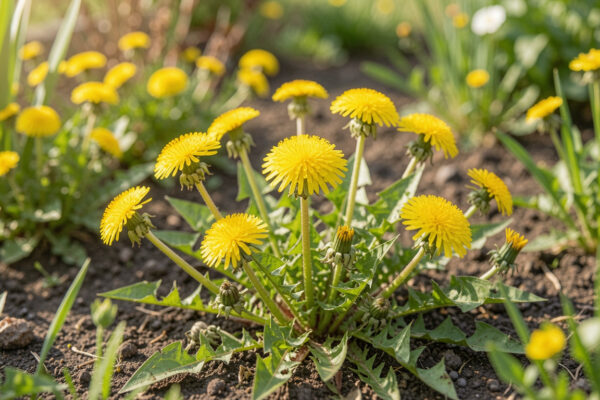
Letting native wildflowers and meadowy mixes colonize shady pockets creates an easy, seasonal tapestry that bees and butterflies adore. I let a corner of my yard go semi-wild last year and the afternoon light through the seedheads was one of those tiny joys I didn’t expect to love so much. You can sow in drifts rather than rows for a casual look, and after the first year the mix often reseeds into sweet little clusters that need hardly any attention. Also, those spent seedheads make winter interest, so you get beauty even when the rest is quiet.
Edible Orchard Patch
Creating a small orchard feel with mixed fruit trees adds height, shade, and seasonal color, and it can be super low maintenance if you space things right and choose hardy varieties. When my neighbor suggested planting espalier apples along our fence, I thought it sounded formal, but it ended up saving space and being ridiculously easy to care for. Plant groundcovers beneath to cut back on mowing and water retention – I used clover and thyme and now I barely mow that strip once a month. It’s funny how fruit trees can make a small yard feel like a proper, edible woodland refuge.
Colorful Cottage Borders
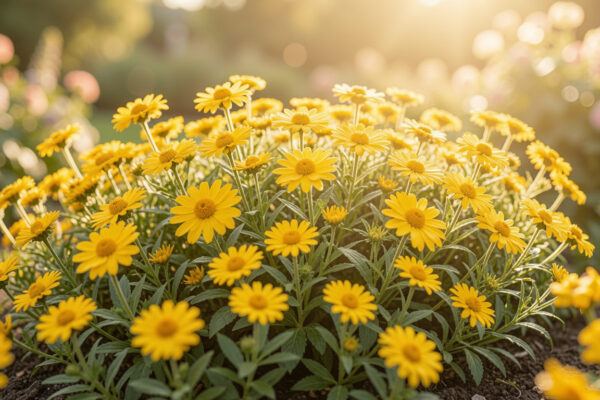
Soft, colorful borders with layered perennials give the illusion of abundance while staying manageable – choose clumping plants over aggressive spreaders for sanity. I made the mistake of bringing home four different “superb” groundcovers once, and let’s just say I learned about boundaries the hard way. Now I stick to three or four repeat plants, repeat them in groups of odd numbers, and let their textures play together – less fuss, more impact. You can always deadhead once or twice a season to keep things tidy without overdoing it.
Lush Park-Like Path
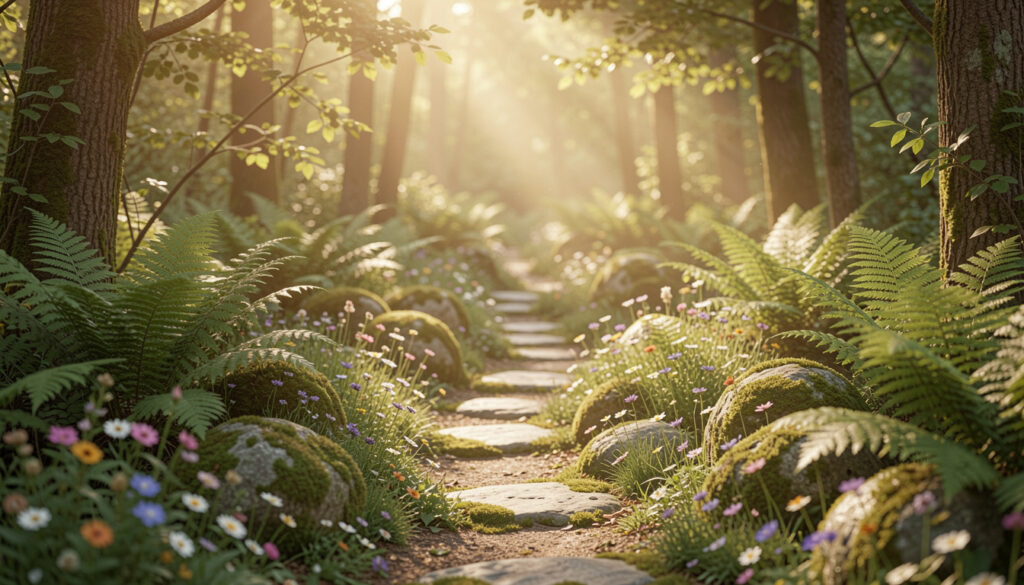
A winding, park-like path through layers of shade lovers invites you to slow down, and it’s easier to maintain because you work in swathes rather than tiny beds. I love walking that kind of path in the morning with coffee and pretending I’m in a little European town, even if it’s just 20 feet past my back door. Use mulch and native groundcovers at the edges so you don’t constantly pull weeds, and you’ll thank yourself in the heat of July. Plus, those curves let you hide parts that are still “works in progress” – very useful when you try experimental plants.
Candlelit Stone Seat
Adding a little stone bench or seat with soft lighting turns a woodland spot into a magical evening nook without requiring constant upkeep. I once hosted a tiny friends’ night and used battery candles on stones – it looked so cozy that one guest cried, which was a surprise but also a compliment to the vibe. Choose durable, low-key furniture and string lights that can stay up for months – they weather storms better than you’d expect. And if you don’t want a permanent seat, a big rock or log works perfectly and requires zero assembly.
Textural Flower Mix
Mixing grasses, ferns, and longer-blooming perennials gives non-stop texture and seasonal shifts so your woodland garden never feels one-note. I followed this approach on a slope and the grasses hid my (many) planting mistakes beautifully, plus the wind through them is so soothing. Plant in groups to get that meadow effect and avoid tiny, fussy rows that look high-maintenance. If you like cut flowers, pick a few stems each week and your house will smell like a wild bouquet without a single bouquet purchase.
Nightlit Garden Path
Subtle lighting along a woodland path makes the garden usable after dusk and creates drama with minimal upkeep – think solar stake lights and lanterns rather than electrical trenches. I installed solar lights and forgot to charge them once for an entire week, but they still managed to sparkle at night which felt like a small miracle. Place lights low and point them at textures or stepping stones to highlight features without blinding anyone – it’s atmospheric, not theatrical. Oh, and keep a backup set in a drawer for those cloudy months when solar is less reliable.
How to Actually Make This Work For You
Start small and aim for systems, not perfect beds; for example, pick three-look plants you love and repeat them in drifts so maintenance is predictable and minimal. Mulch generously, use native species that laugh at your neglect, and plan for layers – canopy, understory, and groundcover – so each layer supports the next; you’ll notice your watering, pruning, and weeding time drop dramatically as the ecosystem settles. Finally, be forgiving of late experiments – I killed a hydrangea trying for a “mystical” edge and learned that sometimes the simplest plant wins, so let your garden evolve rather than expecting it to be magazine-ready overnight.
How much sunlight do woodland gardens need?
Most woodland-style plantings prefer part shade to full shade, but many will tolerate dappled sunlight throughout the day – it’s actually that filtered light that gives them a soft glow. If your site is sunnier, choose sun-tolerant natives and increase mulch to retain moisture so plants don’t stress.
What’s the easiest groundcover for mess-free upkeep?
Clover, thyme, and moss are great low-maintenance groundcovers depending on your soil and light – clover tolerates some foot traffic, thyme smells lovely, and moss loves damp shade. Try a small test patch first to see how it behaves and then expand if it suits your style.
Do fruit trees attract pests to a woodland garden?
Fruit trees can attract wildlife and pests, but choosing disease-resistant varieties and using simple barriers like nets or timely harvests reduces problems a lot. Also, encouraging beneficial insects by planting companion flowers often balances things naturally without chemical intervention.
How often will I need to water a low maintenance woodland garden?
New plantings need weekly watering for the first season or two, but once established most woodland plants require only supplemental watering during droughts. Mulch and good soil structure help keep moisture steady, so you water less overall and plants stay happier.