Landscaping a yard with many trees is one of those projects that feels equal parts intimidating and magical, and honestly I love that tension – I’ve spent weekends staring at our yard wondering where to even start. I remember the first summer I moved into a house with a canopy of oaks and thought, wow, how do people make shade look intentional instead of just messy. This article about how to landscape a yard with many trees is me sharing what worked, what flopped, and the little hacks I learned along the way.
I’m writing this because I got so many questions from friends asking how to make a tree-heavy yard actually feel like a purposeful outdoor room, and I figured if it helped them it might help you too. I’ve tried everything from planting shade-loving groundcovers to carving out a tiny seating nook beneath a maple, and yes – I burned through a few failed attempts (note to self: never plant hydrangeas in pure root competition). I’m not a pro, just someone who loves plants and learned by doing – and by asking neighbors for favors.
Below you’ll find twelve ideas I’ve used or drooled over, with practical notes and tiny real-life anecdotes so you can picture each option in your own shady paradise – whether you want low-maintenance beauty or a cozy fairy-lit escape.
These 12 Tree-Friendly Landscaping Ideas You’ll Actually Use
Fruit Tree Flower Garden
Planting a ring of pollinator-friendly flowers around a solitary apple tree is such an easy transformation, and it creates a pretty focal point that reads more intentional than accidental, which I adore. I planted calendula and borage around ours one spring and suddenly the tree felt like the centerpiece of a tiny room, not just a shade provider – bees loved it, and so did my daughter who picked the petals like mini confetti. If you have fruit trees, this is one of those wins where function and beauty finally agree.
Woodland Pathway Vibes
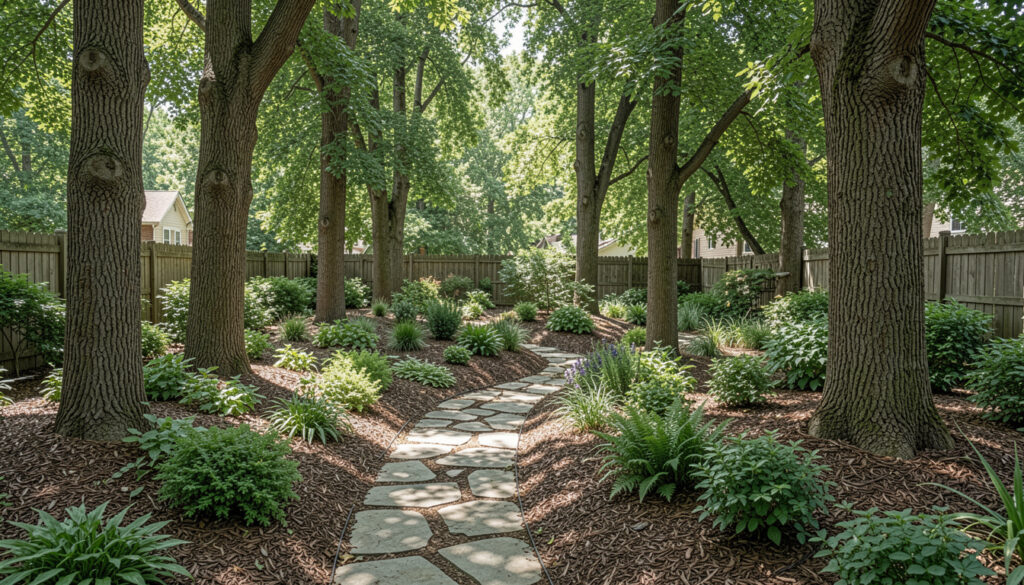
A winding path through clustered trees instantly makes your yard feel like an escape rather than a yard, and you can use crushed stone, mulch, or stepping stones depending on how formal you want it. I once built a path using reclaimed bricks dug up from our backyard – it took forever but every time I walk it I grin, even if a few bricks are slightly lopsided (character!). You don’t need symmetry here – embrace the natural curves and let roots guide you.
Under-Tree Lawn Clearing
Sometimes less is more: clearing a small grassy area beneath trees and turning it into a lush, mulched bed with a few ferns and shade perennials can cut down on mowing and look effortlessly curated. I swapped out a patch of struggling grass under our beech tree for woodland ferns and it instantly read cleaner – and the kids still have a spot to spread a blanket on warm days. Pro tip – keep mulch shallow near trunks so you don’t smother the bark.
Layered Forest Edge Planting
Planting in layers – tall shrubs at the back, medium perennials in the middle, and groundcovers up front – mimics a natural forest edge and hides messy root collars while adding texture and depth. I love doing this near the property line where it softens the view into neighbors’ garages, and sometimes I sneak in a few native bulbs for spring surprises. You’ll want to pick plants that tolerate dry roots and dappled light, because your trees will always win the moisture war.
Colorful Shade Garden
Who says shade means boring? Throw in hostas with chartreuse edges, astilbes with feathery plumes, and a few shady-loving annuals and you get a garden that pops without sun worship. I’ll confess I went a little overboard one July and planted a sea of purple-tinged foliage – it looked dramatic but also taught me to space things out a bit more. Mix textures and keep a color scheme in mind so the space feels cohesive, not chaotic.
Tree-Lined Walkway with Flowers
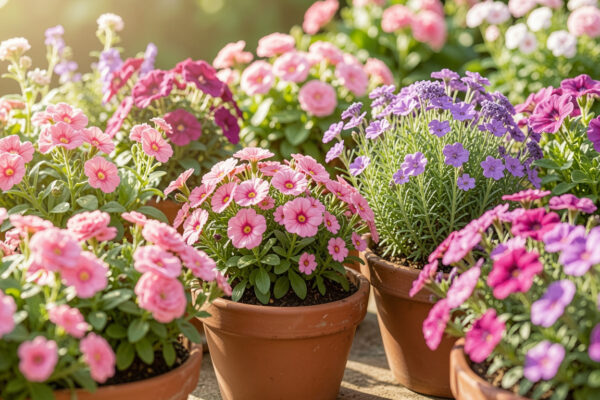
Flanking a walkway with seasonal flowers under trees creates that picture-perfect entrance everyone pins, and it’s honestly doable on a budget if you start with bedding plants and divide perennials each season. I planted tiny bulbs along our sidewalk and waited impatiently that first spring – seeing tulips pop between the shade gave me such a ridiculous thrill. Keep edges tidy and accept a little leaf litter – it makes the path feel lived-in and charming.
Mixed Flower and Shrub Garden
Combining shrubs with perennial flowers gives you structure in winter and color in bloom, which is ideal when trees take center stage most of the year. I planted a mix of hydrangeas, hellebores, and a couple of fragrant shrubs and suddenly the understory had its own personality – neighbors started stopping to ask what I planted, which felt like a tiny win. Remember to group by water needs so nothing cries for more hydration than its neighbor can provide.
Twinkly Lit Walkway
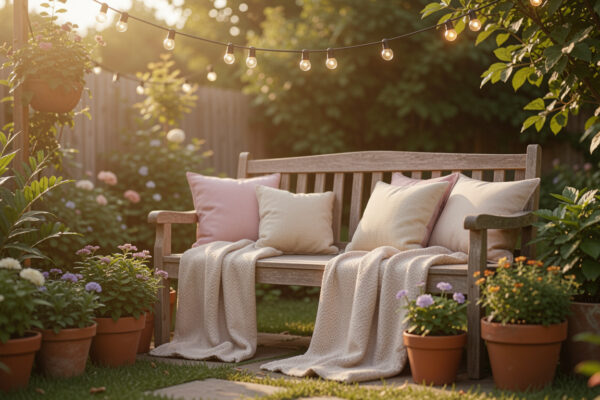
String lights through lower branches or along a walkway and you’ve got instant ambiance for summer dinners and late-night chats, and it’s such an easy upgrade that packs emotional punch. I once strung bistro lights across two maples for a birthday dinner and the whole yard glowed like a tiny outdoor room – people lingered longer than they usually do. Use low-heat LED strands and tuck cords behind foliage for a clean look.
Cottage Garden Patch
A messy, romantic cottage patch under trees can feel whimsical and forgiving, with foxgloves, lavender, and wild-looking knees-high blooms that soften trunks and roots. I tried this near the back fence and let things self-seed a little – the result was charmingly imperfect, and I actually like the rogue poppies that showed up uninvited. If you embrace a touch of chaos, this style is low-stress and very inviting to butterflies.
Lush Green Garden Oasis
For a tranquil vibe, build a layered green garden of foliage contrasts – variegated hostas, ferns, and ornamental grasses that sway in shaded breezes and keep things calm. I love going into this kind of corner with a big mug of tea and just breathing – it’s my accidental meditation spot. Greens are forgiving and they age beautifully, which means less deadheading and more living-in-the-moment.
Stone Steps to Garden Rooms
Stone steps and small terraced areas create levels beneath trees that solve sloped yards and make delightful garden rooms you can furnish with a bench or potted plant collection. When we added a few flagstones up a slight incline, suddenly the yard felt like it had different chapters – a reading nook here, a play zone there – and that change made me actually use the whole property. Keep the steps wide and not too formal so people feel comfortable wandering.
String Lights and Cozy Seats
Pairing a small seating area with layered lighting under trees makes your yard into a night-time destination, and you don’t need a huge patio to pull it off – a couple of chairs and some lanterns will do. I often drag blankets and cushions outside on cooler evenings and the lights make everything feel intentional and warm – like the yard is saying, stay a little longer. Safety note – anchor any freestanding lights and avoid real candles if you’re under lots of foliage.
How to Actually Make This Work For You
Start by observing your yard for a week – watch where the sun filters through, where the roots push up, and where people naturally walk or gather, because designing around those patterns saves you from expensive mistakes later. Think in layers instead of single plants, and choose species that tolerate compacted soils and shade rather than fighting the environment – that’s a huge time and money saver, and it keeps your garden happier long-term. Finally, accept that a tree-heavy yard is a living, changing space – plant things you love, but leave room to swap out and experiment, because some of my best ideas came from trial, error, and a neighbor’s generous plant swap.
Do trees limit my plant choices a lot?
Yes and no – trees do limit options because of shade and root competition, but there are tons of shade-loving perennials, shrubs, and groundcovers that thrive under trees, like hostas, ferns, hellebores, and certain hydrangeas. The trick is matching water and root tolerance rather than forcing sun-loving plants where they won’t be happy.
How do I protect tree roots when planting?
Keep heavy digging away from the root zone and use shallow planting techniques like top-dressing with compost or adding mulch rather than deep tilling, because roots are often close to the surface and can be damaged easily. If you need to work near the trunk, consider container plantings or raised beds that don’t require root disturbance.
Can I still have a lawn with lots of trees?
You can, but it depends on how dense the canopy is – many lawns thin out in heavy shade, so you might switch to shade-tolerant turf mixes, ornamental groundcovers, or small mulched clearings for comfy lawn alternatives. I found that trading a perfect lawn for several grassy pockets and planted beds cut down maintenance and made the yard feel more usable.
What’s the easiest way to add nighttime ambiance?
String lights and low-voltage LED path lights are the easiest and safest upgrades – they’re simple to install, energy-efficient, and transform an ordinary space into something cozy and magical. I recommend hiding cords along trunks or behind shrubs and using timers so your lights turn on automatically without fuss.