I’ve been obsessed with perennial flower bed design ideas ever since my first tiny trapezoid of soil grew into a riot of color – it felt like magic. I still get that surprised little laugh every spring when the first buds pop up and the yard smells like a floral bakery.
I wrote this because I wanted a single spot where I could collect the prettiest, most practical design ideas I’ve tried or bookmarked. Over the last five years I’ve messed up spacing, fought slugs, and learned which combos actually come back year after year.
Read on and you’ll get 25 fresh layouts, planting tips, and real-life notes so you can design a perennial bed that feels effortless but is totally doable.
These 25 Perennial Flower Bed Design Ideas You’ll Want to Try
Soft Pink Border
This soft pink border reminds me of the tiny strip along my apartment path where I shoved in a few volunteers and hoped for the best. It ended up being the prettiest surprise all summer – people waved from the sidewalk. If you like low-fuss charm, this is a gentle, romantic look that works with shady edges.
Sunny Yellow Accent
Yellow flowers lighting up a bed are the easiest mood-lift for morning coffee, right? I planted a few bright perennials in a patch that used to be weeds and suddenly the whole front felt cheerful. Try planting them in clusters so the color sings instead of whispering.
Pink Clustered Pop
Cluster planting like this makes a bold impression without being fussy. I once grouped three varieties of pinks and cheated by adding some variegated leaves for contrast – it looked expensive but cost almost nothing. Pro tip – stagger bloom times so your bed doesn’t have awkward quiet months.
Mixed Bloom Patch
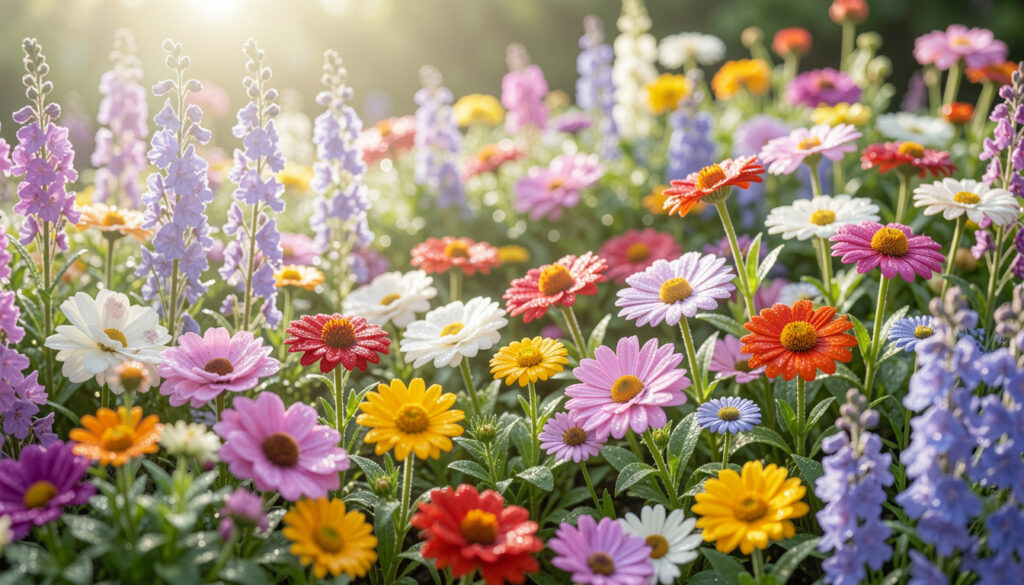
This full, mixed bed shows the beauty of layering heights and textures – tall in back, mid in middle, low at front. I love having a bed like this where every week there is something new to admire. If you want a busy, cottage-garden vibe, go wild with variety.
Purple & Green Combo
Purple tones against lush green foliage always feel a bit moody and elegant – perfect for evening views. Once I planted lavenders and a clumping grass together and the scent on warm nights was unforgettable. Keep an eye on spreading tendencies though – some purples can take over.
Colorful Meadow Strip
This wild, colorful strip reads like a tiny meadow and is so forgiving if you forget a watering day. I actually left a bed like this through a hot dry spell and it shrugged and rebloomed later. For an easy meadow look, pick resilient perennials and embrace a slightly untidy edge.
Blanket Flower Focus
Blanket flowers (Gaillardia) are honest little workhorses – bright, long-blooming and low-drama. I learned to deadhead them every week and the bed rewarded me with nonstop color. They’re a great pick if you want showy flowers without the diva care schedule.
Purple Column Accents
Tall purple spikes next to a pathway or fence make such clean vertical interest. I used something similar to mask an ugly utility box and friends still compliment it. Plant them in staggered rows rather than a straight line – it looks softer and more natural.
Delicate White Patch
White perennials read as calm and cohesive, especially at dusk when they glow a little. My neighbor once told me their white bed felt like a secret garden – made me smile and want to copy it. You can use whites to tie together bolder color choices elsewhere.
Purple Bloomed Border
A purple border is a classic that rarely goes out of style – it’s polished but still friendly. I planted a border like this at my parent’s house and it suddenly felt like a curated little gallery. Keep the plants trimmed evenly for a neat look or let them butterly-out for a cottage feel.
Central Pink Focus
A central grouping of pinks can be the focal point of a round or square bed – think floral jewelry. I once planted a round bed that became our go-to selfie spot – not planned, but hilarious. Place a low stone or a little birdbath in the center to elevate the design.
Purple Tulip Swath
Tulips are such a punchy spring surprise – mix them with low perennials so the bed doesn’t go quiet after they fade. I scatter-bulb plant and always get a giddy “hello spring” moment walking past. Pair with alliums or early phlox to keep vertical interest later on.
High-Contrast Mixed Bed
I adore beds that mix saturated colors for maximum impact – they feel like garden fireworks. Once I over-planned colors and it looked chaotic, so now I choose a dominant color and two accents. Balance is the trick – let one color lead and the others support.
Bold Orange Trio
Three bright orange blooms in a group are surprisingly sophisticated – like a tiny modern sculpture. I planted a trio by my mailbox and suddenly bills came with a smile. Use warm tones near seating areas to make everything feel cozier.
Pink Repeat Pattern
Repeating a single color throughout a bed creates a calm rhythm that reads designer-made. I did this once when I had zero design energy and it looked intentional, which was the best kind of win. It also makes maintenance decisions easier – fewer plant types, fewer headaches.
Layered Textures Bed
Mixing leaf textures with blooms gives a bed that depth you can see even when not in full bloom. I had a season where only the foliage looked great and honestly it still made me proud. Think grasses, variegated leaves, and a few pops of color for interest.
Planter-Table Display
Potted perennials on a table by your door are perfect for renters or seasonal displays. I move mine each year to experiment with pairings and sometimes I forget one outside in frost – oops. Still, planters let you trial a look before committing to the ground.
Rock Garden Gems
Planting perennials among rocks creates a rugged, natural look that hides soil erosion too. I tried a little rock bed on a slope and it was both practical and pretty – win-win. Choose drought-tolerant perennials and you’ll have a low-water, high-style area.
Cottage-Style Mix
The cottage-style mix is cozy, charming and slightly rebellious – plants do what they want. My aunt’s garden is like this and visiting feels like stepping into a storybook, always messy in the best way. If you love abundance over symmetry, try this.
Simple Purple Cluster
A tight cluster of purple perennials reads as intentional and serene. I used this idea along a fence to create a calming backdrop for my patio – instant zen. You can repeat clusters at intervals for continuity along longer beds.
Brick-Edged Pink Path
Planting perennials along a brick walkway gives that curated cottage effect without trying too hard. I slowed down on morning walks just to admire mine – small joys. Use low-growing varieties so the path looks framed but remains accessible.
Pink & White Duo
Pink with white is classic and bright without being sugary-sweet. My college roommate had a bed like this and we used to picnic by it for exam breaks – true story. It pairs beautifully with blue or silver foliage for contrast.
Edge-Lining Purple Row
Using purple perennials to line a bed edge makes borders feel deliberate and tidy. I find it anchors the garden visually, especially against a lawn. Keep spacing consistent and you’ll get that runway effect without too much precision work.
Mixed Variety Explosion
This image is everything – a well-planned jumble of shapes and colors that somehow works. I tried recreating something similar and learned to label plants as I buy them, because memory fails fast. Embrace a playful approach and let the bed evolve each year.
Bold Red Vase Accent
A pop of red flowers in a container acts like punctuation in your garden sentence. I keep a dramatic planter near the door for seasonal change-ups – swap colors and the whole mood shifts. This is a great trick for renters or anyone who likes frequent updates.
How to Actually Make This Work For You
Start by looking at your space honestly – how much sun does it really get, is drainage friendly, and how much time do you want to spend on upkeep? Pick a dominant color or two and a few reliable perennials, then repeat them to create cohesion; that repetition tricks the eye into thinking the bed is more intentional than it might be. Don’t be afraid to start small and expand a bed over a couple seasons – I expanded mine in phases, and each year I felt braver adding new textures and heights. Finally, label plants when you buy them and take a couple photos through the seasons so you remember what worked and what needed moving.
How do I choose perennials for my climate?
Check your USDA hardiness zone or local planting guides and choose varieties rated for your zone – that’s the simplest way to avoid disappointment. Talk to neighbors or a local nursery too, because regional quirks matter a lot and they’re full of practical tips.
How much space do I need between plants?
Spacing depends on mature size – read plant tags and imagine how full the bed will be in a year or two, not just when you plant. If you’re unsure, slightly wider spacing avoids overcrowding and lets you fill gaps later with annuals or smaller perennials.
What’s the easiest perennial for beginners?
Daylilies, coneflowers, sedum and blanket flowers are great low-maintenance starters – they tolerate a range of soils and keep coming back. I always recommend starting with one or two of these while you figure out sun patterns and watering routines.
How do I keep the bed looking good year-round?
Plan for seasonality – include early bloomers, summer stalwarts and late-flowering perennials, plus evergreens or ornamental grasses for winter structure. I also deadhead spent blooms and add a little mulch in fall – simple habits that keep things tidy without overworking you.