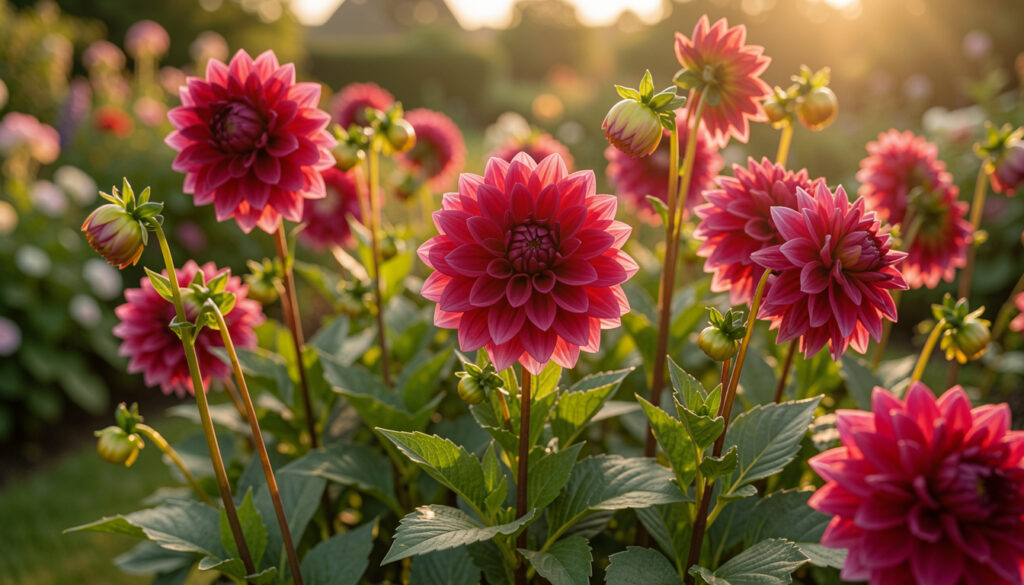
If you’ve ever wondered how to plant dahlias for continuous blooms, you’re not alone – I obsess over mine every year and treat them like tiny, dramatic divas. My balcony experiment last summer turned into a neon parade of petals and taught me a lot about timing, soil and the weird joy of deadheading. Gardening made me unexpectedly proud, and dahlias were the main reason.
I wrote this because I want you to skip the trial-and-error I went through – the soggy tubers, the floppy stems, and the quiet mid-season garden. After asking neighbors, reading obsessively, and making a few gloriously messy mistakes, I landed on a reliable routine of planting depth, staking, feeding, and consistent deadheading that actually keeps them blooming. It felt so good to finally have a plan that worked.
Read on and you’ll get easy, friendly steps on when to plant, how to care, and little tricks to stretch the blooms from early summer to the first frost. I promise – it’s way more doable than it looks, and I’ll be honest about what tripped me up.
15 Dahlia Tips for Continuous Blooms You’ll Love
Pick the Right Spot
Dahlias need sun like most drama queens need attention – at least six hours of direct sun is ideal. I planted mine in the brightest corner of the yard and the difference was immediate – fuller stems and more flowers. If you only have dappled light, choose smaller varieties or use containers you can move around.
Plant at Proper Depth
Plant tubers shallow enough so the crown is just below soil level but deep enough to avoid frost heaving – about 3-4 inches usually works. I learned this the hard way after one soggy spring when a few tubers rotted because I buried them too deep. If you’re planting in pots, make sure drainage is excellent – trust me, your dahlias will thank you.
Choose Varieties Smartly
Not all dahlias are created equal for continuous blooms – look for repeat-flowering types and scroll seed catalogs for notes like “long-blooming” or “continuous.” I mix a couple of tall showstoppers with low, prolific varieties to get layers of color all season. When you pick a variety you love, you’re more likely to deadhead and fuss – which is the real trick for nonstop flowers.
Soil That Breathes
Dahlias love rich, well-draining soil – add compost and a little sand if your garden is clay-heavy. I used to dump a bunch of fertilizer and then wonder why the plants were leggy; it turned out they needed organic matter and structure more than salt-heavy feed. Work a good two inches of compost into the topsoil before planting to create a steady food source.
Space Them Out
Give each dahlia breathing room – crowding reduces airflow and invites disease. I once tried jamming six in a small bed and ended up with mildew problems; spacing them was the game-changer. Aim for 18-36 inches between plants depending on the variety size.
Stake Early
Put stakes in when you plant so you don’t disturb roots later – tall dahlias need support early. I always forget once, then wrestle with established roots to get a stake in – not fun. Use bamboo or tomato cages and tie loosely as stems grow to avoid constricting them.
Water Deeply, Not Often
Deep weekly watering encourages strong roots better than daily shallow drips. I switched from a timid daily sprinkle to a generous soak once a week, and the plants stopped sulking mid-summer. Mulch helps maintain moisture so you won’t feel guilty about missing a day.
Fertilize Lightly
A balanced, low-nitrogen feed every 3-4 weeks keeps blooms coming without encouraging floppy foliage. I used to overdo it with high-nitrogen feeds and got lots of leaves and few flowers – lesson learned. Bone meal at planting and a bloom-boosting fertilizer in mid-season works well for me.
Deadhead Often
Removing spent flowers is the single best way to push more blooms – clip just below the spent head into a healthy leaf junction. I carry pruning shears everywhere in the summer now, it’s like a tiny therapy ritual for me. Do it regularly and you’ll see new buds forming in days.
Pinch for Bushiness
Pinch out the top when plants are 12-18 inches tall to encourage branching and more flower stems. I hesitated the first time because it felt brutal, but the bushier plants produced three times the blooms. If you like a single-stem look, skip this, but for continuous flowers I always pinch.
Rotate and Rest
Avoid planting dahlias in the same spot year after year to reduce disease pressure – rotate beds when possible. I moved a bed after two seasons and saw fewer pests and healthier growth the next year. If you can’t rotate, double down on compost and clean up all tubers after frost.
Watch for Pests
Keep an eye out for slugs, earwigs, and aphids – early detection saves so much heartache. I found a nightmarish aphid cluster on a sunny morning and nursed the plant back with a soap spray and patience. Companion planting with marigolds and herbs helped reduce some pests for me, no miracle cures but it’s steady.
Start Tubers Right
Pre-sprouting tubers indoors a few weeks before your last frost gives you an early, stronger start. Last year I made the rookie mistake of planting cold tubers and waited impatiently; sprouting them inside changed everything. Use shallow trays and bright light to avoid spindly starts.
Container Dahlia Tricks
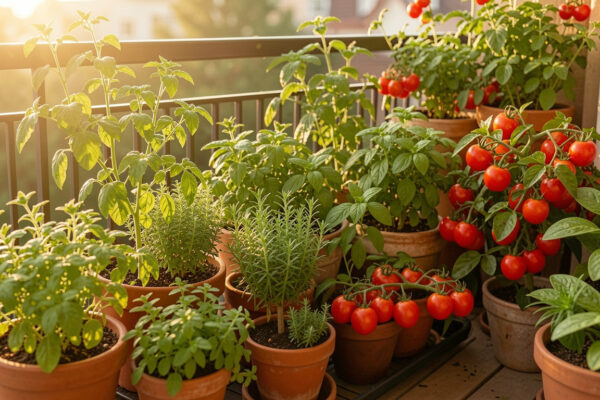
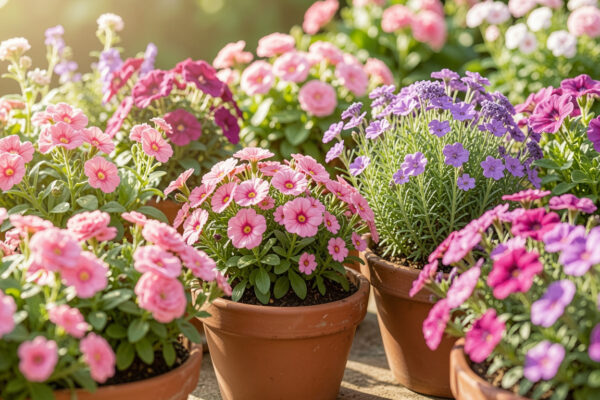
Containers dry faster, so choose a big pot and a quality potting mix – water more frequently and feed often. I adore balcony dahlias in terracotta; they get a little extra love and look stunning on lazy mornings. For continuous blooms, deadhead and rotate containers for even sun exposure.
Extend with Succession Planting
Plant dahlias in waves – some early, some mid-season – to avoid a sudden slump. I stagger tuber planting over two to three weeks and it gives this gorgeous ripple effect of blooms instead of one big peak. It’s a tiny bit more work but so worth it when you have color all season.
How to Actually Make This Work For You
Here’s the friendly truth – consistency beats perfection. Plant when soil is warm, give dahlias good compost, stake early, and set a deadheading routine you can stick to without feeling stressed. I schedule 10 minutes three times a week for quick checks – water if needed, clip spent blooms, and glance for pests – and that small routine keeps things humming. If you want longer blooms, try mixing tall and low varieties and start tubers indoors if your spring is short. Also, don’t be afraid to experiment – one of my favorite colors came from a swap with a neighbor that I would’ve skipped if I was trying to be “perfect”. Finally, keep records – note planting dates, varieties, and when you started seeing serious blooms so you can repeat what worked next year.
When is the best time to plant dahlias?
Plant after the last frost when soil has warmed up – typically late spring for many climates. If you start tubers indoors, begin 3-4 weeks before last frost to get a jump on the season.
How deep should I plant dahlia tubers?
Plant tubers about 3-4 inches deep with the eye or crown facing up, then cover lightly and water. In colder or wetter soils, slightly shallower planting helps prevent rot.
How often should I deadhead dahlias?
Deadhead spent blooms as often as you can – every few days in peak season is great for continuous flowering. It’s a small chore that yields a lot of extra blooms, I promise.
Can I leave tubers in the ground over winter?
That depends on your zone – in mild climates you can leave them with mulch for protection, but in colder zones it’s safest to lift, dry, and store tubers over winter. I lift mine each fall and have fewer surprises in spring.