I have been obsessed with tidy, sun-soaked facades lately and if you’re curious about beige home exterior for beginners, this is your cozy starting point. Beige feels safe but stylish, and it literally makes a home look like it’s breathing a little easier.
I wrote this because I remember standing on a tiny rental lawn wondering how to pick a beige that wouldn’t wash everything out – I learned a few tricks the hard way and want to save you that trial and error. These little ideas come straight from my experiments, mood boards, and neighbor-approved successes.
Read on and you’ll get 20 approachable beige exterior ideas, tips to personalize each one, and quick things you can do this weekend to test a color. You’ll leave feeling ready to pick a shade and style with confidence.
These 20 Simple Beige Home Exterior For Beginners for Every Home
Sunlit Forest Cottage
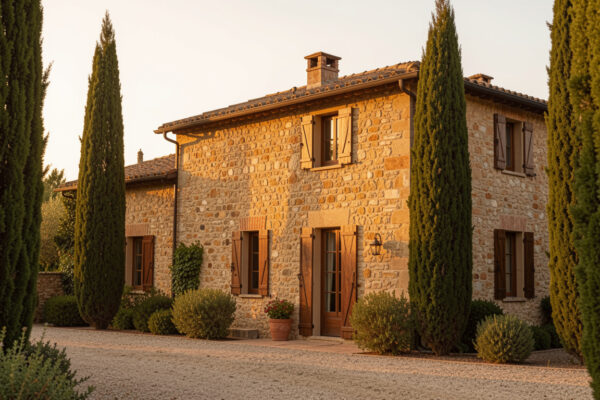
This look pairs a warm beige with surrounding greenery to make the home feel like part of the yard, not separate from it. I love how shrubs and trees soften the edges – when I first painted a rental beige, friends told me it looked like a tiny sanctuary. If you have mature trees, choose a beige with green undertones so leaves and siding sing together.
Crisp Trim, Cozy Feel
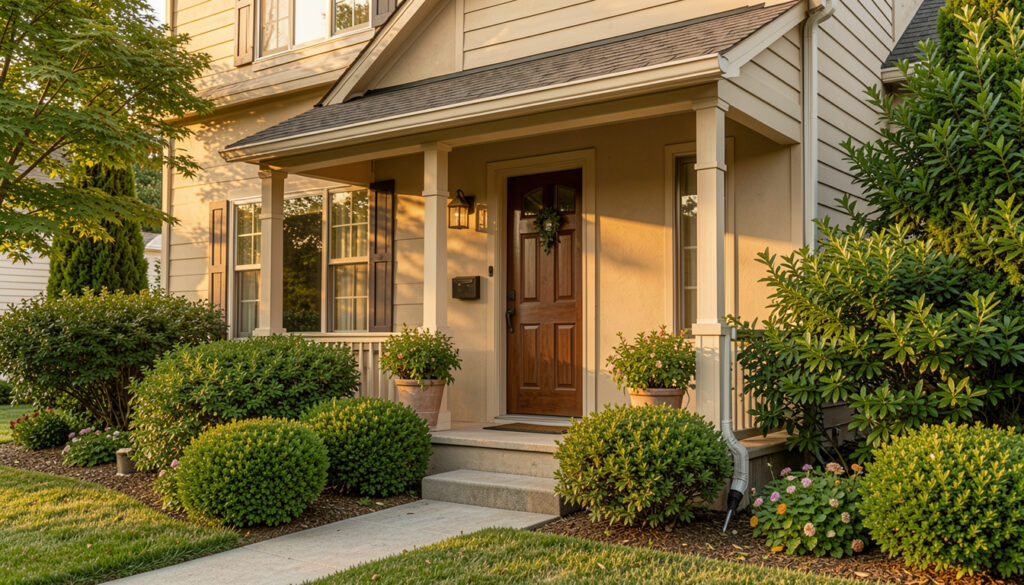
White or cream trim with brown accents creates a neat frame that makes beige read intentional rather than bland. You can keep the body simple beige and use the trim to add depth; I changed my own trim color and it felt like giving the house a necklace. Consider darker window frames if you want more contrast without drama.
Dusk-Friendly Glow
A beige that reads warmer at dusk gives your exterior a gentle glow when lights come on, and that cozy vibe is exactly what sells curb appeal. I once stayed late painting with a pal and the house looked like it belonged in a storybook as the sun fell. For beginners, test paint in late afternoon to see how it shifts into evening.
Simple Tan Steps
Using a tan-beige on a building with small architectural details like steps and a bench keeps things classic and approachable. You don’t need fancy stonework to look polished; a consistent beige palette will tie front steps and facade together. If space is small, keep patterns minimal so beige can do the heavy lifting.
Potted Plant Warmth
Pots and planters in front of a beige house are beginner-friendly because they add texture without a permanent commitment. I started with three terracotta pots and it immediately felt lived-in and intentional. Switch plants seasonally and you’ll refresh the look without repainting.
Window-Focused Elegance
Highlighting large windows against beige siding creates a modern, airy look that still feels warm. You can make windows pop by painting frames a soft charcoal or keeping them clean white for a fresh contrast. When I upgraded my windows, the entire exterior read newer even before a single coat of paint.
Outdoor Living Neutral
A modern house with an outdoor seating area looks instantly inviting when beige ties walls and furniture together. Mix in textured throws and baskets to keep the scene from feeling flat. You can try a washable outdoor fabric in a complementary shade as a quick refinement.
Beige Paint Palette Display
Seeing a few beige paint samples on a wall helps you choose undertones before committing to a whole house. I taped three swatches to my garage and walked past them for days – that little ritual saved me from a muddy final result. Do the same during different times of day to notice subtle shifts.
Dual-Entry Charm
Homes with two doors benefit from slightly varied beige tones – one slightly lighter, the other a touch deeper – and it still reads cohesive. This trick creates visual interest so identical facades don’t feel monotonous. For a rental, swap rugs or door mats to distinguish the entries without painting.
Checkered Accent Appeal
A checkered floor inside or on a covered porch paired with beige exterior walls feels playful but polished. You can keep the walls plain and let the floor pattern be the statement. I once used a small patterned rug against beige siding and it surprised everyone with its big impact.
Brick and Beige Balance
When your home has brick elements, choose a beige that complements the brick’s warmth rather than competes with it. A lightweight beige with rust undertones blends beautifully with classic bricks. If you feel cautious, paint a small trim area first to see how the materials interact.
Layered Neutral Facade
Using several shades of beige on a modern facade can add depth while staying serene and understated. Try darker beige for recessed areas and lighter tones for projecting sections to create subtle drama. When I experimented with three tones on a tiny facade, neighbors asked who my designer was.
Garden-Forward Entry
Planting a modest garden in front of a beige house softens the look and feels inviting without fuss. Even a narrow flower bed with mixed perennials will lift the whole exterior palette. Start with easy plants like lavender or daisies so the upkeep stays simple for beginners.
Country Steps and Lawn
A white house with beige accents and a simple lawn with steps is like the visual equivalent of a warm hug. You can keep maintenance low by choosing drought-tolerant groundcovers near steps. I once swapped high-water shrubs for gravel beds and suddenly weekends were mine again.
Cozy Garage Contrast
Painting garage doors a slightly different beige or off-white than the main house gives subtle sophistication without an overhaul. This is a great beginner move because it’s visible and reversible. Try painting a panel to see how light plays across the surface before committing to all doors.
Large Glass, Soft Beige
Big sliding glass doors with surrounding beige siding create a calm, indoor-outdoor flow that feels luxe but simple. Use sheer curtains inside to keep the exterior color readable from outside at dusk. I love how these choices make the garden feel like part of the living room.
Cobblestone Street Charm
Beige facades along a cobblestone street read timeless and curated, and you don’t need a huge budget to get that look. Focus on clean lines, simple lighting, and consistent trim to mimic that cared-for feeling. Small details like a classic mailbox can elevate a modest beige home instantly.
Front Porch Lounge Set
A tiny porch with two chairs against a beige exterior invites neighbors to pause and say hello, and that neighborly vibe is priceless. You can choose cushions in navy or olive so the beige becomes a soft backdrop. When I added just one chair to my porch, evening conversations multiplied.
Stepped Garden Facade
Beige walls with steps and a small, tidy grass area create a staged-but-welcoming entry even on a simple budget. Keep edging crisp and pick low-maintenance grass or groundcover. If you want to experiment, add a single potted tree to introduce height without crowding the walkway.
Midcentury Beige Retreat
A modern midcentury home painted in beige tones reads timeless when balanced by wood accents and large windows. You can make the look yours by selecting wood stains and door hardware that feel warm and contemporary. I painted small accent boards on my facade to mimic that midcentury rhythm and it made a big difference.
How to Actually Make This Work For You
Start small and test more than one swatch in different light – paint cards lie and only real wall samples tell the truth. Consider your roof, brick, and landscaping before settling on a beige so everything fits together instead of competing. Finally, remember that hardware, shutters, and even door mats are inexpensive levers that can make a modest beige feel designed and personal.
How do I pick the right beige for my climate?
Consider undertones – cooler climates usually suit beiges with gray or taupe undertones while warmer areas pair well with warm yellow or peachy beiges. Test samples at different times of day to see how sunlight alters the color.
Will beige make my home look smaller?
Beige can actually make a home appear larger if you use lighter shades and consistent trim colors that create a unified plane. Break the facade into too many different colors if you want to avoid a boxy look.
Can I combine beige with siding materials?
Yes – beige is one of the most forgiving bases for wood, brick, stone, and metal accents, and mixing textures adds richness without extra color. Keep the palette tight by echoing a single accent color across materials.
What’s the easiest weekend upgrade to try beige?
Paint a door or a small porch wall with a sample-sized can and live with it for a week to see how it feels with your landscaping and light. This quick test gives you confidence before you commit to painting the whole exterior.