Okay, real talk – choosing mulch color ideas for landscaping felt intimidating at first, but honestly it turned into one of my favorite weekend projects and I can’t stop tweaking little bits around the yard. I remember standing in the garden center smelling bags of mulch and thinking, who knew a tiny color change could feel like a mini makeover? It’s wild how color can change the whole vibe of a home exterior.
I put this together because I kept getting questions from friends and neighbors about what actually works – and also because I made every mistake possible (you’ll read about a few, oops). After trying everything from dark chocolate bark to pale cedar and even rubber mulch on a tricky slope, I’ve got a few favorites that fit different styles, budgets, and maintenance levels. I’ll tell you what looked great, what stained my shoes, and what just felt “meh.”
Stick with me and you’ll get 10 practical, pretty mulch color ideas for landscaping, real-life tips on placement and pairing, and answers to the small panic moments that always pop up when you’re elbow-deep in wheelbarrows of mulch.
These 10 mulch color ideas for landscaping you’ll actually want to try
Warm Brown Bark
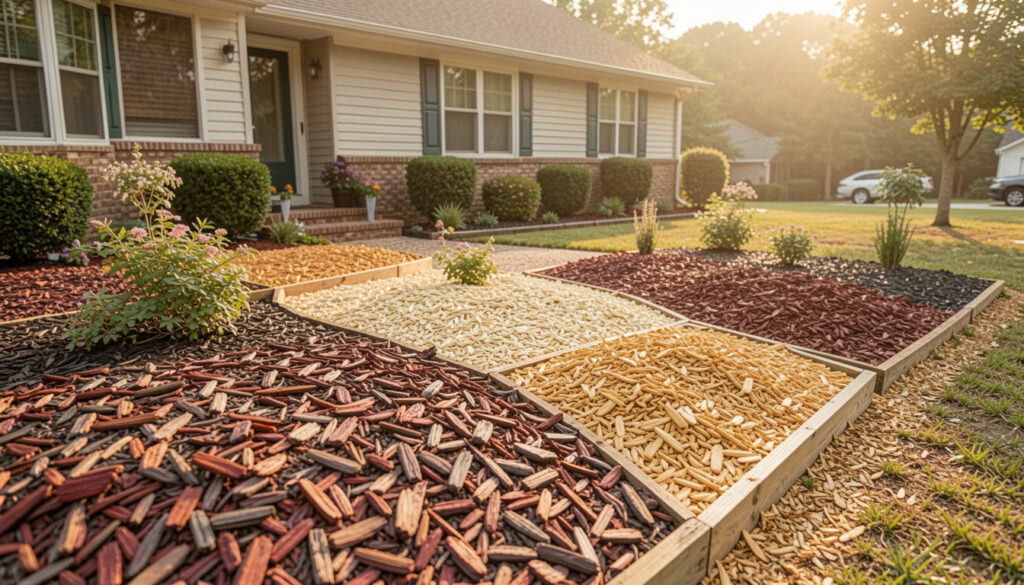
Warm brown bark is the classic cozy option that makes stone paths and brick really pop, and I used something similar when we framed our front steps – it tied the whole look together without shouting. It tends to hide dirt well and looks good with both bright flowers and muted foliage, so if you want a safe, stylish base this is it. One tiny story – I once spilled coffee on a bag while planting and the stain disappeared into the color, so yes, it’s forgiving in life’s little messy moments.
Natural Cedar Tones
Cedar mulches bring that fresh, spicy scent and a light, golden tone that lifts dark soil and helps flowers appear brighter – I always imagine a cottage garden when I use cedar. It’s a favorite when you’ve got stone steps or pale siding because the warm hues create a soft, welcoming contrast, and you’ll often spot it in curated front yards. Personally, I love that cedar slowly ages to a silvery tone, so your bed evolves with the seasons rather than feeling static.
Dark Espresso Mulch
Dark espresso mulch gives such dramatic contrast – it makes green foliage read as almost neon and is gorgeous against modern homes with white trim or metal accents. I used a dark mulch for our backyard beds and every time I walk past I feel like I’m at a trendy cafe patio, which makes late afternoon chores feel fancy. A heads up – you might see a bit more heat absorption in summer, so keep an eye on thirsty plants near sidewalks.
Natural Wood Chip Mix
Wood chip mixes are rustic and super budget-friendly, and I love how each handful can have different tones and textures for a very organic look that suits cottage and wildflower style beds. You can often source them locally, which I did once from a tree service – cheap and eco-friendly, though it did have a surprise earthy scent for a few days. If you want the yard to feel cozy and lived-in, this is a lovely no-fuss route.
Red Mulch Pop
Bright red mulch is a bold move and honestly I feel a little nostalgic about it – my first garden used red bark and neighbors kept commenting, so it definitely makes a statement. It can bring out warm tones in brick and terracotta pots, but if you overdo it, things start to look themed, so use sparingly around focal beds or walkway edges. Try mixing in plants with cool foliage so the red doesn’t overwhelm the scene.
River Rock & Stone
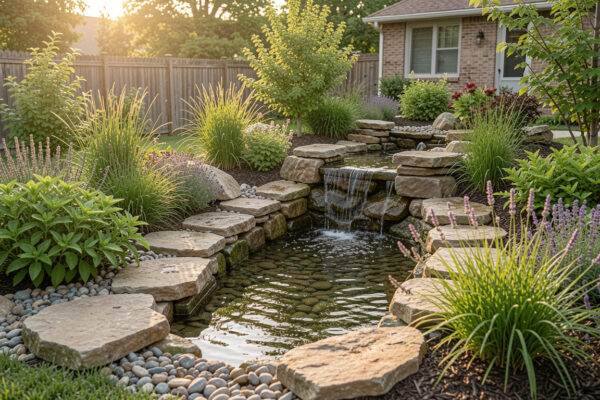
Using river rock or crushed stone instead of organic mulch creates a sleek, low-maintenance bed that’s perfect for drought-tolerant plants and modern landscapes, and I once swapped a whole flower border to rock and never regretted the timesaving. The brightness of the rocks reflects sunlight, which can keep root zones a bit cooler in hot climates, and it pairs beautifully with succulents. Just be mindful that weeds through stone beds sometimes need a tougher barrier underneath.
Natural Brown with Grass Edge
Keeping a natural brown mulch and crisp grass edge felt like a small act of discipline for me – edging took longer than expected but the clean line is worth it visually every time I look out the window. This approach is timeless and lets the plants and lawn share the spotlight, so if you can spare an hour for edging every few months, the payoff is huge. I also like how a tidy edge gives the illusion of a professionally maintained yard, even when it’s a one-person weekend project.
Colorful Flower Bed Mulch
Choosing a mid-toned mulch under a riot of flowers helps those colors sing without stealing attention, and I learned this when I planted a pollinator patch that looked like a cheerful mess until the mulch grounded it. It’s great when you want the blooms to be the main event, especially with perennials that come back each year. Fun fact – bees don’t care about mulch color, but I do, and this combo made me smile every morning.
Natural Soil-Like Mulch
A mulch that reads like enriched soil is subtle and professional-looking, blending seamlessly with vegetable plots and native plantings where you want a natural, understated finish. I switched to this on a raised bed after watching my mom use it for years; it made the beds look tidy while harmonizing with the plant textures. If you want your garden to feel effortless, this is the kind of background that lets everything else shine.
Pine Straw & Soft Texture
Pine straw offers a softer, more natural look and is honestly one of my secret weapons for sloped beds – it’s lightweight, nests together, and resists washing away better than loose bark in heavy rain. I once covered a steep bank with pine straw and avoided constant touch-ups, which felt like a miracle compared to my old bark routine. It’s also great for acid-loving plants, so roses and azaleas tend to be very happy with this choice.
How to Actually Make This Work For You
Think about the overall vibe you want first – play with a few sample bags at the edge of your bed before committing, and see how the color looks in morning and evening light because mulch shifts visually throughout the day; try a small test area and live with it for a couple weeks, you’ll want to know how it ages and whether it makes your plants glow or disappear. Next, match mulch type to function – heavier wood chips or stones for sloped areas that need structure, softer pine or cedar where you want a plush look, and keep in mind maintenance: dyed mulches might need refreshes to keep their color strong, while natural options fade more gently and can be more forgiving budget-wise. Finally, don’t be afraid to mix – a border of darker mulch next to a path of lighter wood or rock can create depth and guide the eye, and when I mixed two tones along our walkway it instantly felt intentional rather than patched together.
How long does mulch color last?
It depends – natural mulches fade slowly over a year or two as they break down, while dyed or engineered mulches can keep vivid color for 6-12 months before you might notice fading. Refreshing a thin top layer each season keeps beds looking fresh without a full replace, which saved me time and money the second year I gardened.
Will dark mulch raise soil temperature?
Dark mulches can absorb a bit more heat, especially in full sun, but the difference is usually minimal and plants are typically fine; if you’re worried, choose a lighter mulch for beds with heat-sensitive plants or add organic amendments to help roots stay cool. I moved one heat-hating fern to a shadier spot instead of changing mulch and it perked up fast.
Can mulch attract pests?
Some mulches, especially heavy wood that stays damp, can sometimes attract slugs or give a cozy hiding spot for critters, but proper depth (2-3 inches for most organics) and keeping mulch a few inches away from house foundations helps avoid pest problems. I always leave a small gap at the base of siding and trunks – it feels fussier but it prevents mold and tiny visitors.
Is stone mulch better than organic?
Stone mulch is lower maintenance and great for xeriscaping and modern looks, though it doesn’t improve soil like organic mulches do, so think long-term about plant health and watering needs before choosing it for large beds. We used stone around our succulents and it was perfect, but for veggie beds I prefer organic every time.