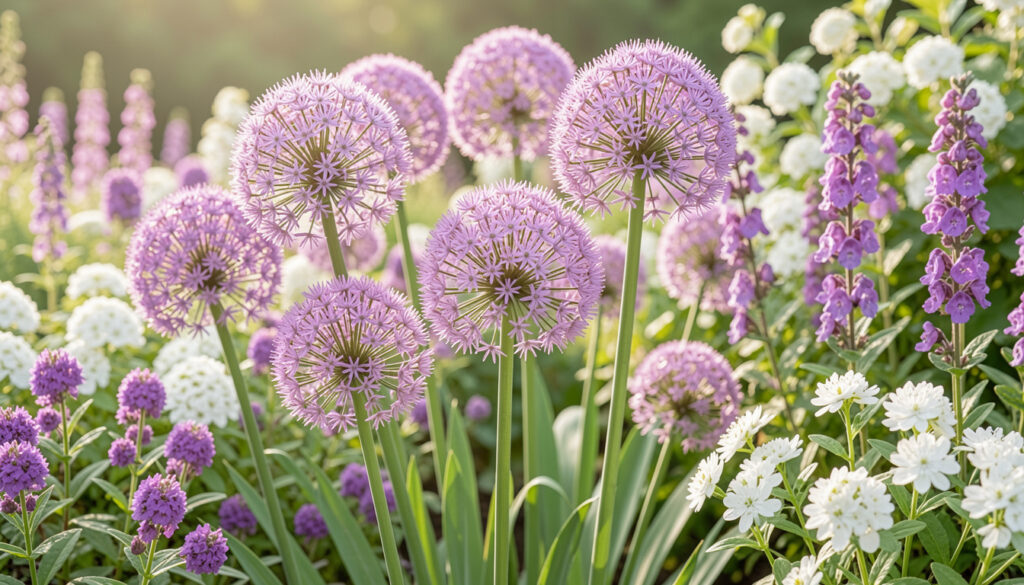
I get borderline giddy every spring when the best companion plants for ornamental alliums start doing their thing – those globe-shaped blooms are such show-stoppers and pairing them well feels like styling your garden’s outfit for a special night out. I still remember the first year I tried planting alliums with low carpets of blue and white flowers and how it made my tiny front border look like it could be in a magazine, even though I’d procrastinated planting the bulbs for weeks.
This article exists because I kept getting asked by friends (and my neighbor, twice) which plants actually make alliums pop instead of getting lost in a chaotic bed. I’ve tried a bunch of pairings over the last five years – some glorious, some… let’s call them “learning experiences” – and I’m sharing the ones that consistently look gorgeous and are surprisingly easy to care for.
Stick with me and you’ll get 15 tested companion ideas, quick notes on why they work with ornamental alliums, and a few practical tips so you won’t accidentally plant something that throws off the whole look. You’ll leave ready to shop or tweak your spring planting plan.
These 15 Companion Plants for Ornamental Alliums You’ll Love
Lush Purple Pairing
Pair alliums with Nepeta (catmint) for that dreamy purple-and-silver combo that softens the allium’s globe without hiding it. I planted Nepeta ‘Walker’s Low’ under my alliums one year and it created this frothy cushion that smelled like summer evenings – total mood. You’ll appreciate the overlapping bloom times and the way catmint’s low habit keeps the focus up top where the allium blooms sit.
Crisp White Highlights
White companions like Shasta daisies or Leucanthemum make ornamental alliums look even more architectural by adding contrast and a clean backdrop. I mixed daisies and alliums along a walkway once and neighbors stopped to ask what plant I’d used for the vertical drama – that was a nice ego boost, not gonna lie. If you want a bright, classic look, this combo is deceptively low-effort and very forgiving.
Sunny Yellow Contrasts
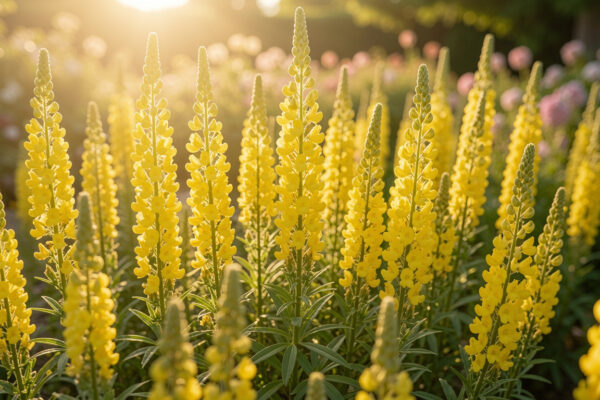
Yellow-flowering companions like Coreopsis or Rudbeckia bring cheerful contrast to purple alliums and help create depth in a bed. One spring I threw Coreopsis seeds into a border on a whim, and the yellow speckles framed the allium globes perfectly – it felt unexpected but totally right. Try to keep the yellows at a slightly lower height so the allium heads remain the focal point.
Salvia for Vertical Rhythm
Salvia gives a lovely vertical echo to alliums without competing for attention because salvia spikes are more linear and textural. I love how the blues and purples layer; one year I had a lavender-salvia-allium trio and it felt like each plant took a turn winking at the sun. If you prune faded salvia promptly, the display stays tidy and extends bloom interest.
Wildflower Field Feel
For a relaxed, meadow-y vibe, mix forget-me-nots or small wildflowers under alliums so the whole bed reads natural and effortless. I did this along a back fence once and it felt like a mini wildflower patch; bees loved it and I loved the low maintenance. Plant thickly so the wildflowers read as a carpet rather than scattered singles.
Park-Like Lavender Lining
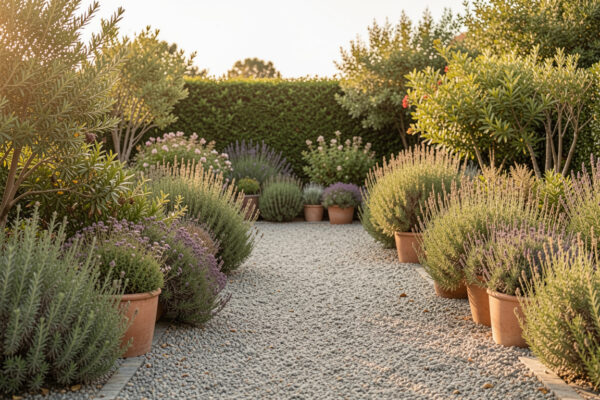
Lavender with alliums is classic – both love sun and well-drained soil, and lavender’s silvery foliage complements allium heads beautifully. I have lavender along my path and every spring the scent with those allium bobbles makes morning walks feel intentional. Be mindful of watering – both prefer a lean, not soggy, setup.
Deep Purple Monochrome
If you’re into rich, monochrome beds, plant alliums with iris or Salvia nemorosa in similar purple tones for a moody, sophisticated look. The first time I tried a monochrome bed I panicked that it would be flat, but texture differences saved it – the iris leaves and allium globes prevented everything from melting together. Layering foliage shapes is the secret to avoiding a boring block of color.
Phlox and Repeat Blooms
Phlox provides a soft, repeating bloom that complements the allium’s once-a-season drama without stealing stage time. I love using phlox as a mid-height filler; it fills gaps and keeps things visually continuous after the alliums finish. If you plant a couple of phlox varieties, you can also stretch the season a bit longer.
Creeping Groundcover Magic
Creeping thyme or aubrieta under alliums gives you a neat carpet that won’t hide the stems but keeps weeds at bay and looks sweet from close up. I pulled out a rogue patch of grass once and replaced it with thyme – instant improvement and the bees went wild. Keep the groundcover trimmed to keep the allium stems visible and tidy.
Bellflower Companions
Campanula (bellflower) and alliums are a charming pair – bellflowers bring delicate bells at mid-height and play off the allium’s round forms. I planted bellflowers in a partly shaded spot with my alliums and it gave the bed such a poetic feel, like each plant had a little role. Just avoid overwatering the bellflowers if your alliums are in very free-draining soil.
Pretty White Spring Mix
White spring bulbs like narcissus or white tulips are a lovely companion to purple or pink alliums – the whites lift the palette and make the colors read fresher. The year I mixed white narcissus with purple alliums the contrast felt clean and joyful, like putting on a crisp blouse. Stagger bulb planting depths so they emerge predictably and avoid a singe-week display.
Front-Pathway Impact
Use a mix of low shrubs, lavender, and spring-flowering perennials near the house to make the alliums stand out without being overbearing. When I first planted alliums at my door, I spaced them with little boxwood balls and lavender – it made guests comment every time they came over. That front-yard confidence is easy to copy and looks polished even if your garden is small.
Cottage Garden Clusters
Cottage garden staples like geraniums (cranesbill) and aquilegia partner beautifully with alliums because they bring texture and staggered bloom times. I have a patch where geraniums hide tired foliage after the alliums fade, and honestly it saves the whole border from looking unfinished. Plant in clusters so each species reads like a deliberate painterly stroke.
Bold Meadow Mix
Mix yarrow and echinacea with alliums for a robust, pollinator-friendly bed that stays interesting into summer. One summer my echinacea and alliums shared a bed and the butterflies treated it like a VIP lounge – I’d stand with a cup of tea and watch the show. This combo tolerates heat and looks structured when allowed to naturalize a bit.
Fence-Line Layering
Plant taller climbers or shrubs behind alliums – think clematis, roses, or even a neat hedge – to give a layered backdrop that helps the allium heads read from a distance. I trained a clematis along my white fence and the alliums in front suddenly had a runway, especially at dusk. The height contrast makes photos and sightlines so much better.
How to Actually Make This Work For You
Start by thinking in layers – bulbs like alliums are your vertical punctuation, mid-height perennials fill the eye-level story, and low groundcovers hold the foreground together, so plan placements like you’re styling a room. Plant bulbs in groups rather than single files; I usually plant in threes or fives for a natural look and then tuck in perennials around them, because staging in clumps feels intentional and forgiving if something fails. Pick companions that share cultural needs – sun, well-drained soil, and similar watering – and you’ll avoid endless drama; honestly, matching water needs early on saved me from a season of frantic replanting. Finally, embrace small experiments: try three bulbs with a couple of new companions in a single test patch before committing to an entire bed so you can tweak colors and heights without panic.
When should I plant alliums and their companions?
Plant allium bulbs in the fall for spring blooms, and use spring or early autumn to plant perennials depending on their type; many perennials do well in spring so they establish before heat sets in. If you’re planting perennials with bulbs, leave some space so the perennials don’t smother newly planted bulbs.
How do I ensure the companions won’t overshadow alliums?
Choose companions with lower or contrasting habits and stagger heights so the allium heads stay visible; plant taller perennials behind and shorter groundcovers in front. Also pay attention to bloom timing so something is always doing the supporting role when the alliums shine.
Do alliums attract pollinators or pests?
Alliums are great for pollinators like bees and rarely suffer severe pest damage because their oniony scent deters many critters, though you might see some nibbling from curious insects. Planting pollinator-friendly companions increases beneficial insect visits and creates a healthier, more resilient bed.
Can I use the same companions in containers?
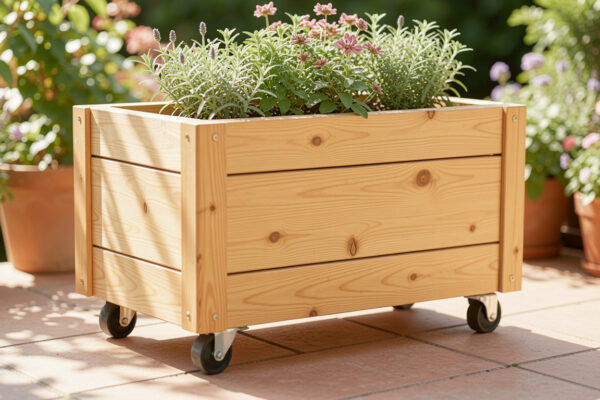
Yes – many companions like lavender, nepeta, and low geraniums work beautifully in large containers with ornamental alliums if you use a well-draining mix and don’t overwater. Just be mindful of bulb depth and crown space so everything has room to grow without competing for resources.