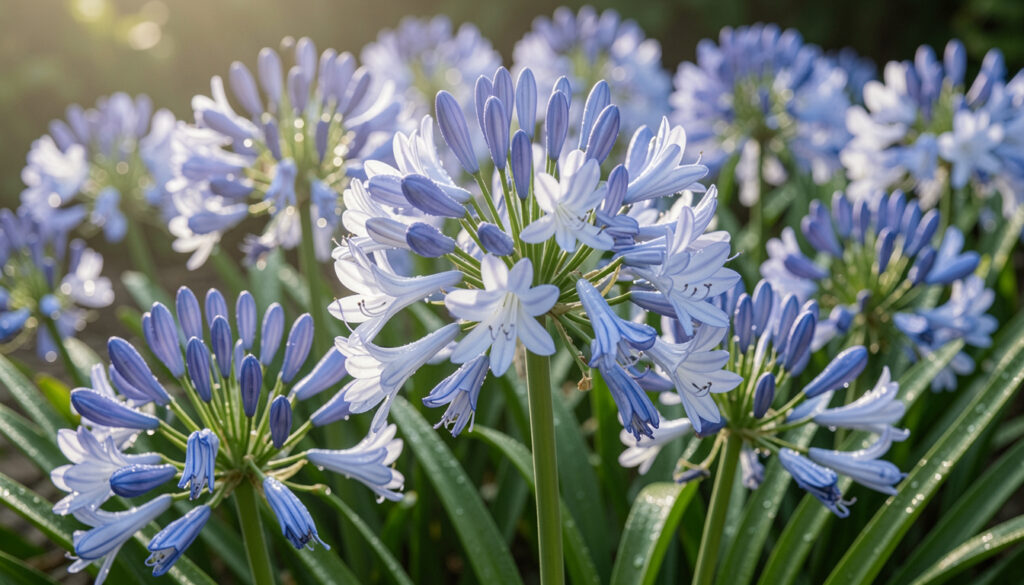
I fell in love with agapanthus care and flowering tips the first summer I inherited my tiny patch of backyard – those rounded blue blooms felt like small fireworks every morning. I still remember nervously holding a watering can while my neighbor, who knows plants like the back of her hand, gave me tips that actually worked. It’s become my favorite seasonal ritual to check the leaves, the stems, and whisper a thank you when a new umbel opens.
I wrote this article because I want you to skip the trial-and-error I went through and enjoy a long, splashy agapanthus season without stressing. I’ve planted clumps in borders, containers, and even a reclaimed barrel, and yes – I’ve killed a few before I figured things out. These notes are the ones that helped my plants go from sad to showy.
Below you’ll find 12 practical, friendly agapanthus care and flowering tips that I actually use – from sunlight to soil to flowering tricks – plus little stories and side notes so you feel like you’re learning from a friend. You’ll get quick actions you can try tomorrow and a few longer-term ideas for bigger clumps next year.
These 12 Agapanthus Care And Flowering Tips You’ll Love
Perfect Sun Exposure
Agapanthus adore bright sun but will tolerate light afternoon shade – in my garden the happiest plants are in a spot that gets morning sun and gentle afternoon light, especially in hotter months. When I first moved in, I put a clump under a maple because it looked cute there, and they sulked all summer, barely opening a bud. If you want big, long-lasting blooms, aim for at least 6 hours of sun and move containers accordingly – the difference is dramatic and once you see it, you’ll rearrange your whole patio like I did.
Soil That Drains
Good drainage is non-negotiable for healthy agapanthus – they dislike wet feet and rotting crowns, so sandy or loamy soil is ideal and I always mix in grit for containers. I once planted a pot without extra grit to be lazy and ended up rescuing it with a knife and new compost – lesson learned. If your garden soil is heavy clay, raised beds or adding chunky compost and perlite will save you a lot of heartache.
Right Planting Depth
Plant agapanthus so the crown sits just at the soil surface – too deep and the plant struggles, too shallow and roots dry out; I tuck mine so the top of the root ball is level with the ground. When I repotted last spring I dug in too deep on one, it sulked and took weeks to bounce back, so now I always double-check the depth. For containers, keep a small rim above the soil for watering so water soaks in instead of running straight out.
Water Smartly
Water deeply but infrequently – let the top inch or so dry between waterings so roots develop strong and the plant doesn’t become waterlogged. Early in the season I water more to help new roots establish, then taper off when clumps are mature; I always test with my finger because schedules lie. On hot, windy days a morning soak keeps the flower stems upright and happy, and you’ll notice fewer floppy blooms.
Feed For Flower Power
Use a balanced, slow-release fertilizer in spring to promote strong growth and then a bloom-boosting feed once buds form – I keep a small jar of fertilizer by the shed to remind me. One season I skipped feeding because I was busy and the flower heads were thinner and fewer, so I learned feeding really does matter if you want showy clusters. Avoid high-nitrogen feeds in summer because too much foliage growth can mean fewer flowers.
Deadhead For More Blooms
Snip spent flower stalks back to the base after the blooms fade – it tidies things and in some climates encourages a second flush. I always bring a little pruner with me while I sip coffee outside, and it’s oddly satisfying to clean up the clumps. If you let seed heads form, you’ll get volunteers but the clump can look messy and waste energy on seeds instead of new stems.
Divide To Refresh
Divide every 3-4 years to keep clumps vigorous and flowering freely – spring or early autumn are the least stressful times to split them. I remember dividing a huge clump with my friend on a sunny Saturday and we shared the new sections between our gardens – such a fun trade. Smaller divisions establish faster and they’ll reward you with lots of new flowering stems the next season.
Mulch With Care
A thin layer of mulch helps retain moisture and keeps weeds down but don’t heap it around the crown – I keep a neat ring clear so the base can breathe. Once I piled on too much in winter wanting to be helpful and came spring a few crowns had rotted, so minimal is better. Use fine, well-aged compost or bark chips and pull it back in the hottest months to let soil breathe.
Protect In Cold Zones
In frost-prone areas, lift tender varieties for winter or give the clump a light mulch and shelter; hardy varieties tolerate cold better but appreciate protection. My first winter in this house taught me that even hardy plants like a little cozy – I wrapped pots and built a simple straw cover for borders after losing one clump to a surprise deep freeze. If you’re unsure of your variety, err on the side of caution and protect it.
Choose The Right Variety
There are dwarf and tall agapanthus, single and double blooms, and knowing what you want helps a lot – for containers pick smaller types, and for a bold border choose taller cultivars. I made the mistake of planting a giant variety in a small bed and it dominated everything, which looked dramatic but crowded out my other favorites. Visit a nursery, touch the leaves, and imagine the mature height when you plant – your future self will thank you.
Use Containers Creatively
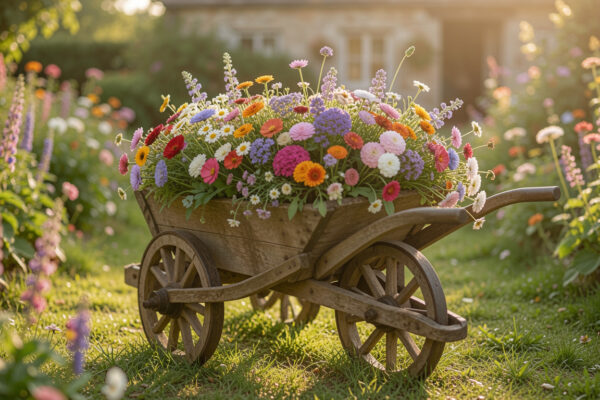
Potted agapanthus are great for patios and to move around for light – choose a wide, not too deep pot for healthy roots and good drainage. Once I found three old wooden barrels and planted them with matching blue varieties – they became the centerpiece of my little vegetable patch and I still get compliments. Containers let you control soil and moisture easily and are lifesavers if you have heavy soil in your yard.
Encourage Long Blooming
To stretch the flowering season, deadhead faded umbels, water during dry spells, and give a light feed when the next buds form – spacing clumps can also prevent shade from neighboring plants. One summer I staggered planting times from pots and got blooms over a longer period which felt like a small, constant celebration. Little tweaks like consistent moisture and timely feeding are the true secrets to a longer show.
How to Actually Make This Work For You
Start small and learn your garden’s quirks – plant one or two clumps in different spots, watch how they respond to sun and wind for a season, and then expand what works because observation beats theory every time. Don’t be afraid to move a pot midseason if it’s sulking; I move mine around based on heat and bloom performance and that trial-and-error taught me more than any guide. Finally, be patient with timing – agapanthus can take a year to really settle and produce abundant flowers, so plan to enjoy the process and not just the immediate payoff.
When should I plant agapanthus?
Plant in spring or early autumn when temperatures are mild so roots can establish before extremes hit – spring planting gives plants the whole growing season to settle in. If you’re in a mild climate, autumn planting can work well too, just keep an eye on moisture.
How often should I fertilize?
Feed once with a balanced slow-release fertilizer in spring and use a bloom-promoting feed when buds form – avoid heavy nitrogen that pushes foliage over flowers. In containers, a light liquid feed monthly during the growing season helps maintain energy.
Do agapanthus need full sun?
They prefer full sun to part shade – aim for at least 6 hours of bright light for best flowering, but they tolerate some afternoon shade in hotter areas. If blooms are sparse, it’s often a light issue, so try moving pots to sunnier spots first.
How do I divide agapanthus safely?
Dig up the clump in spring or early autumn, tease apart sections with strong roots and a few growth points, and replant at the same depth – water well after dividing. If a division looks weak, pot it and nurture for a season before planting out to give it a head start.