Okay friend, I know choosing home exterior colors for small spaces feels overwhelming, but it can totally be fun and soulful when you lean into the right shades. Painting the outside of a tiny home changed how I felt about my whole street, and I want you to feel that same glow.
I made this list because I used to stare at swatches and panic, and now I have go-to colors that make compact homes look bigger, cozier, or more modern depending on what you want. I tried a few of these combos myself on a weekend sprucing project – spoiler, the neighbors complimented it for weeks.
Below you’ll find 20 curated exterior color ideas and real tips so you can pick one that fits your small space perfectly.
These 20 Home Exterior Colors For Small Spaces That Will Transform Your Curb Appeal
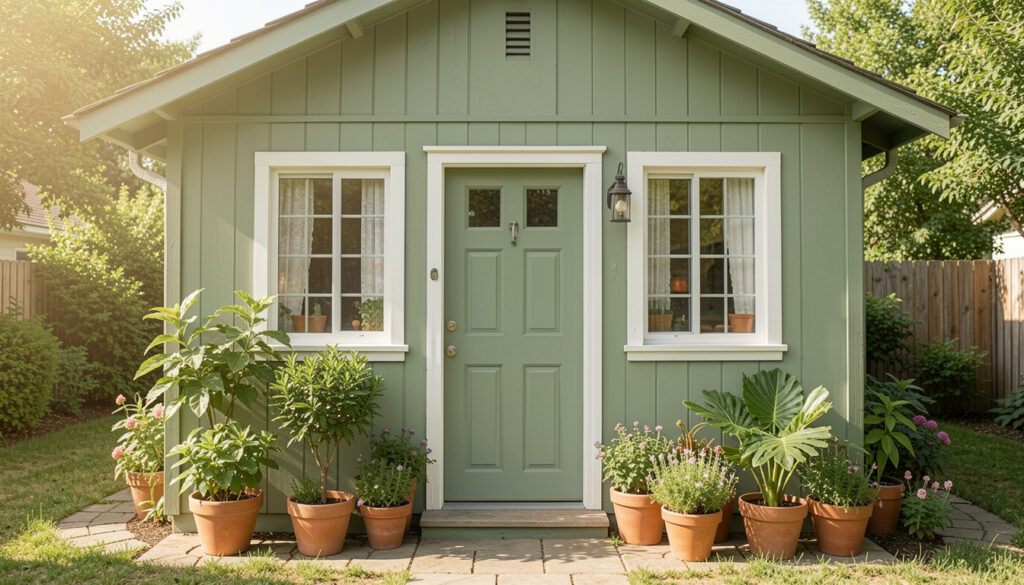
Soft Sage Green Vibes
Sage is one of my favorite neutrals because it has a calming green undertone that reads soothing rather than loud on a small facade. If your lot is leafy or you love plants, this color blends the house into the garden without making the structure disappear, and it lets greenery pop. I painted a tiny bungalow in a similar tone once and swear it made the whole place feel like a little woodland cottage.
Natural Wood Accent Look
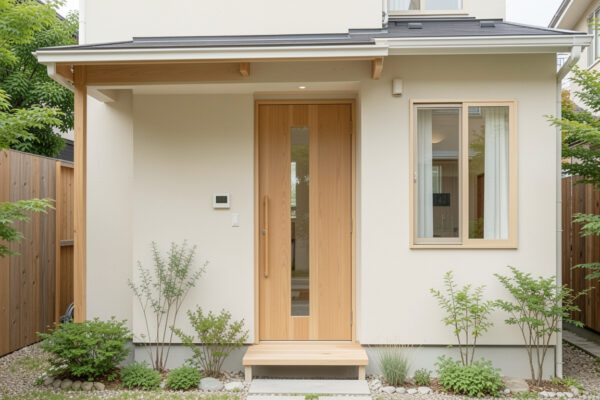
Using warm wood accents paired with a softer painted siding color creates depth without shrinking your home visually, and the texture of natural wood gives an instant upgraded look. You can keep the main shell light and add horizontal or vertical wood details to emphasize height or length, depending on what you want to highlight. I always recommend testing a small plank sample on a shaded corner first to see how it changes from morning to evening.
Powder Blue Curb Appeal
Light blues are so fresh for small houses because they feel airy and expand the visual space, especially with crisp white trim that frames windows and doors. A powder blue front door or whole facade reads cheerful and modern without being overpowering, and I love how it plays with beige stone or brick accents. You might be surprised how calming a blue exterior makes your morning coffee routine feel when you step outside.
Mossy Green Charm
Mossy greens feel rich yet understated, making them an excellent choice for a small space that wants character without drama. Those deep green tones visually tuck the house into a garden setting, and contrasting window boxes with bright flowers keeps the look lively. One weekend I added planters and that tiny tweak turned the whole exterior into my favorite view in the neighborhood.
Olive With Stone Steps
Olive paired with natural stone for steps or low walls reads rustic-chic and anchors a small home so it doesn’t feel toy-like on the street. To keep the effect balanced, go for lighter trim colors and a matte finish; shiny paint can make things look smaller. I found that switching hardware to bronze completed the look and felt unexpectedly grown-up in the best way.
Warm Earthy Brown
Rich, chocolate-brown exteriors can look modern and cozy when balanced with lighter stonework or cream trim; the trick is to avoid too much darkness on every surface. If you live among trees, browns harmonize beautifully and hide dirt better than pale tones. I grew up near country cottages like this and still get nostalgic when I see the combination of brown paint and lush hedges.
Garden-Ready Green With Flowers
When you choose a slightly brighter green and pair it with floral window boxes, your small home instantly looks curated and welcoming. This approach is playful and works well if you love seasonal planting, because the flowers become part of your color story. You don’t need a big yard to make a bold, friendly statement – I’ve seen tiny cottages transformed by nothing more than cheerful blooms and a fresh coat of paint.
Sleek Black Modernity
A black exterior on a small home can feel dramatic and very current if used thoughtfully with lots of windows and bright trim or lots of plants to soften the look. When light reflects off glass, black reads elegant rather than oppressive, and textures like wood and stone become the stars. I’ll admit I was nervous to try black at first, but it turns out it can make architectural lines look sharper and more intentional.
DIY Painting Energy
If you’re planning to tackle the paint yourself, picking a forgiving color is a lifesaver – mid-tones hide imperfections and help mask uneven textures that small homes sometimes have. Take your time cutting in around windows and consider a weekend for touch-ups, because small details read big on small houses. I painted my trim on a Saturday and drinking iced tea between coats felt like one of those oddly satisfying life moments.
Timeless Black and White
Classic black and white is a fail-safe pairing for small exteriors because the contrast defines lines and creates a tailored look without visual clutter. Use white on trim and eaves to make rooflines and windows pop, then let black anchor the base or door for drama. You can also swap black for charcoal if you prefer something softer while keeping the crisp contrast.
Coastal Blue Porch Dream
Soft coastal blues make a small house feel breezy and open, and when you layer textures like wicker and potted palms on the porch the effect becomes effortless. To avoid the kitschy vibe, pair with neutral trim and let the blue be the calm backdrop. Once, I repainted our guest cottage in a color similar to this and everyone suddenly wanted to visit more often.
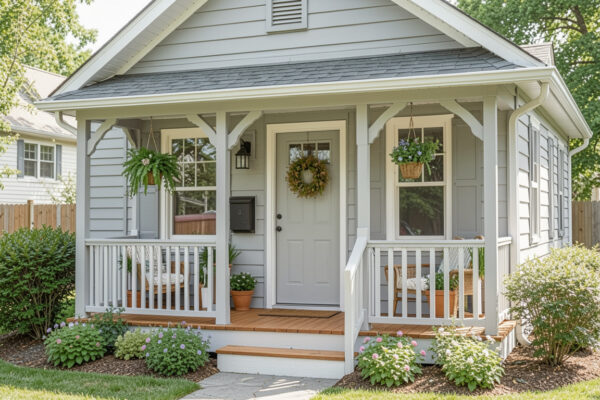
Subtle Gray With White Trim
Gray is the ultimate chameleon for small spaces because it reads warm or cool depending on the undertone, and clean white trim creates crisp lines that make compact homes feel architecturally intentional. You can choose a lighter gray to reflect more light or a deeper tone for moodiness, and both work beautifully with planted borders. I always recommend trying three swatches in sunlight before committing.
Brick Accents With Green Door
Keeping exposed brick as an accent and painting the rest of the siding a complementary neutral creates a layered, textured facade that reads like a larger, more expensive home. A distinctive door color, such as forest green, provides a focal point and personality without overwhelming the whole exterior. I found a similar combo on a historic row house once and it felt both unexpected and timeless.
Gray Bench Styled Entry
A muted gray body with a styled entry bench and planters is an easy way to elevate a small home’s curb appeal quickly and affordably. The neutral paint keeps proportions calm while your decor adds dimension and charm. If you don’t want to repaint everything, updating the entry scene can create the same refreshed effect with far less work.
Forest Gray in Trees
When a small house sits among trees, a deeper gray harmonizes with the landscape and makes the home look grounded instead of lost in foliage. Add light-colored trim and reflective windows to keep the look from feeling too heavy, and let plantings frame pathways to bring softness. I’ve always loved how this approach feels quietly sophisticated yet approachable.
Stone House Blue Shutters
Stone facades paired with colored shutters, like a muted blue, add charm without shrinking the visual footprint of the home since the stone already provides richness and texture. This is perfect if you want a cottage look that reads authentic and welcoming. Try painting only the shutters or the door first to see how much personality a small pop of color can give.
Neutral Stone Steps Focus
Highlighting stone steps or entry elements with neutral siding tones draws the eye to architectural features rather than the overall size, which is a clever trick for small homes. Using layered textures – wood, metal, and stone – makes the exterior feel intentional and luxe without needing a lot of square footage. I once staged a house where updating the steps bumped it from “cute” to “wow” in minutes.
Green Door That Pops
A vibrant green door on a neutral facade is a tiny investment with huge personality payoff, and it gives you a signature look without painting the whole house. If you like seasonal decor, a colorful door becomes the perfect backdrop for wreaths and planters year-round. You can switch out hardware and lighting to make the color sing even more.
Vibrant Patio Seating Touch
Sometimes the best exterior upgrade is not paint but colorful outdoor furniture that complements your siding; a small pop of coral or teal on a deck makes the whole home feel curated. This approach is flexible and perfect if you rent or want to experiment before committing to paint. I did this during a summer and loved swapping cushions instead of repainting the whole exterior.
Classic Cottage Stepway
A small stone or concrete stepway paired with soft paint tones creates a storybook entry that draws attention to the door rather than the home’s footprint. Paired plantings and lantern-style lighting heighten the charm and make arrivals feel special. You don’t need a grand yard to have great curb appeal; small details do most of the work.
How to Actually Make This Work For You
First, sample paints on different sides of your small house so you can see how morning and evening light play with each hue, and always step back to view the color from the street. Next, choose one or two focal elements – the door, shutters, or an accent wall – and commit to higher-contrast or bolder colors there while keeping the rest neutral so the overall effect feels balanced. Finally, layer texture with plants, stone, or wood accents to add depth, because small homes read as more intentional when they have varied materials that catch the eye.
How do I pick a color that makes my small house look bigger?
Light, cool colors like pale blues, soft grays, and sage greens reflect more light and visually expand a small exterior, while crisp trim lines help define edges and add structure. Try large samples and observe them in different lights before committing.
Can dark colors still work on small exteriors?
Yes – dark colors can feel dramatic and modern if balanced with plenty of windows, lighter trim, or a strong contrast like white or wood accents to prevent the house from feeling too heavy. You should also consider the surrounding landscape and sunlight exposure.
Should I match exterior colors to my neighborhood?
You don’t have to match, but it’s wise to consider the neighborhood palette so your home complements nearby houses rather than clashes, especially if there’s a homeowner association. A harmonious color can boost curb appeal while still letting you express personality through accents.
What’s the best finish for small house exteriors?
Matte or low-sheen finishes hide imperfections and read softer on small homes, while satin trims give a clean, durable look; avoid high-gloss on large surfaces because it can emphasize flaws. Always use exterior-grade paint for longevity and easier maintenance.