Hey bestie, if you’ve been dreaming about a mobile home exterior makeover on a budget, you’re in the exact right place. I remember standing outside my own little place thinking a facelift would cost a fortune, but I found so many smart, affordable fixes that actually made it feel like a different home.
I wrote this because I want you to feel excited about your home’s curb appeal without emptying your savings, and I tried most of these ideas myself – including a paint rescue that turned heads. You’ll get practical steps, easy swaps, and tiny splurges that look intentional rather than thrown together.
Below are ten simple, real-world ideas you can start this weekend that won’t break the bank.
These 10 Smart Mobile Home Exterior Makeover On A Budget
Fresh Paint, Big Impact
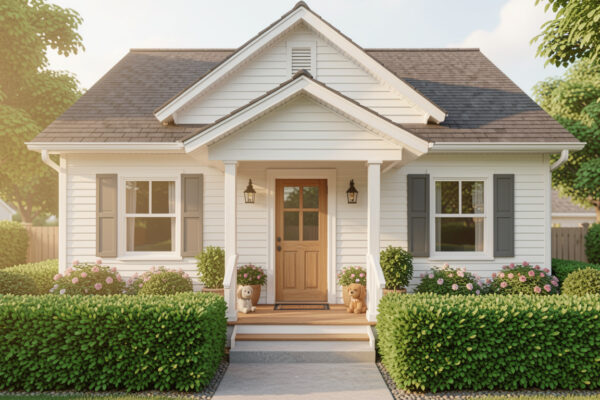
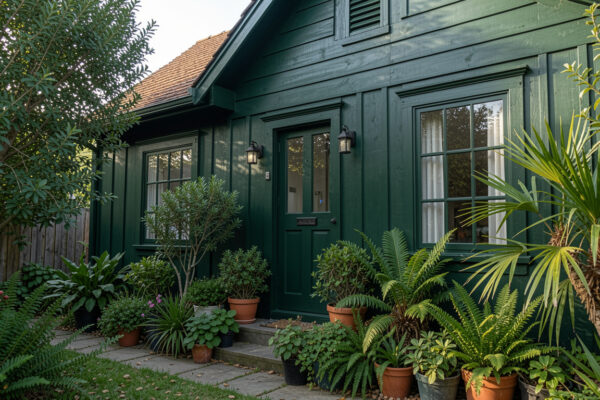
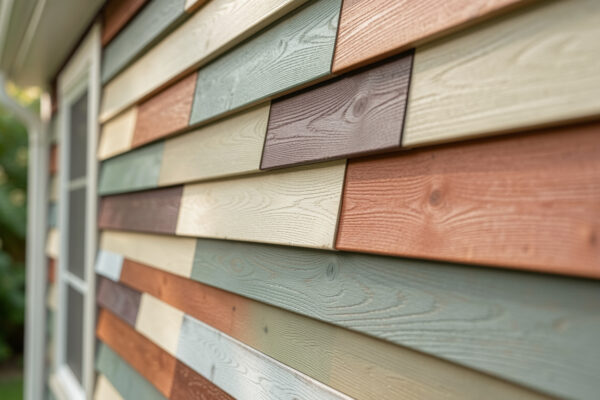
Painting is the quickest way to change the whole vibe of a mobile home, and a single weekend can do wonders if you pick the right color and prep the siding well. I once painted the trim on my rental in two afternoons and it instantly looked cared for, so don’t shy away from bright trims or muted modern hues. Use exterior-grade paint and a small drop cloth to keep costs low while still getting durable coverage. If you want the look of new siding without replacing anything, contrast a fresh body color with a crisp trim color for depth and polish.
DIY Trim and Shutters
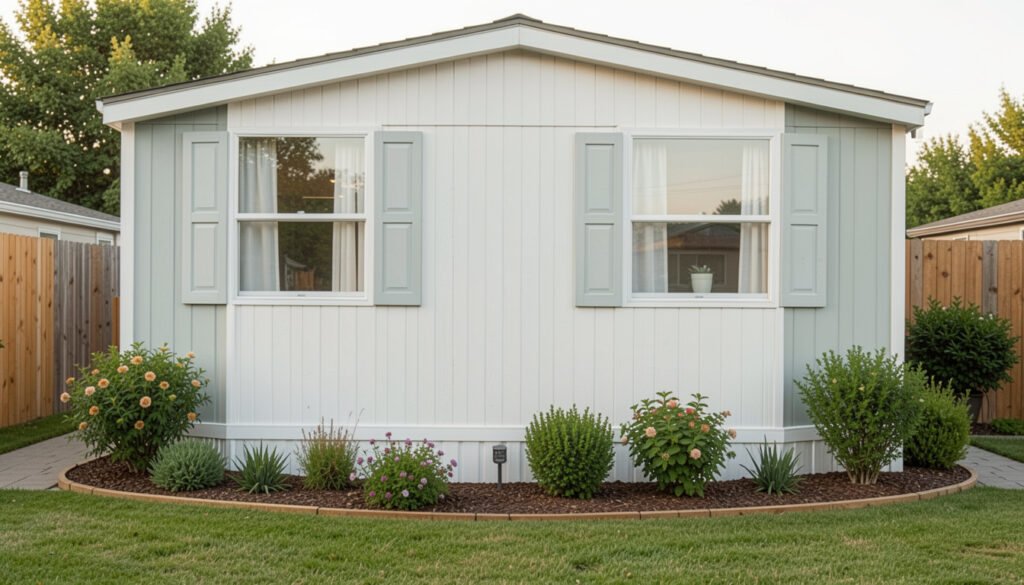
Adding or replacing trim and installing affordable shutters frames your windows and makes the entire structure look more intentional instead of slapped together. I scored leftover composite trim from a job site for cheap and installed it with liquid nails and a couple of nails – it felt like such a win. Shutters can be lightweight composite or even painted plywood if you seal edges properly, and they instantly add character. Measure twice, cut once, and remember that good caulk and paint hide a multitude of sins.
Build a Simple Porch
A small porch or even a tiered step with railings creates an inviting entry and gives you a staging area for seasonal decor or a couple of chairs. When I built my first porch, I used pressure-treated lumber and a basic plan from an online forum – it cost less than a fancy pre-built kit and felt genuinely mine. Anchor it properly and stain or paint to match your trim so it looks integrated rather than tacked on. Even a platform with potted plants can feel like a full porch upgrade when styled thoughtfully.
Replace Skirting Creatively
Skirting hides the underside of a mobile home and protects from pests, but it also plays a huge role in overall aesthetics – update it with lattice, vinyl panels, or even painted wood boards. I transformed mine with vinyl panels that mimic vertical shiplap and the whole house looked taller and cleaner, plus maintenance was minimal. Cut vents into skirting for airflow and paint it a darker color to ground the house visually. This is one of those inexpensive upgrades that people notice even if you don’t point it out.
Affordable Landscaping Tricks
Good landscaping doesn’t need to be expensive – think about groupings of native shrubs, a gravel path, and a few planters for seasonal color. I used free mulch from a municipal program and bartered some plants with a neighbor, and suddenly the yard felt curated rather than forgotten. Use edging to define beds and choose low-maintenance plants so your weekend time doesn’t become full-time yard work. A couple of well-placed plants near the entrance can make an austere exterior feel welcoming and intentional.
Cozy Deck Seating Area
A tiny seating area on a deck, even just two chairs and a small table, signals hospitality and livability to anyone passing by. I bought two thrifted chairs and refinished them with spray paint and new cushions, which felt like a decor store steal. Anchor the area with an inexpensive outdoor rug and a planter or lantern to create a little living room outside. When space is tight, vertical planters or hanging baskets expand greenery without using precious square footage.
Build From Scratch – Small Additions
Adding structure like a small shed roof over the door or a side landing can change the silhouette and give you extra function without a big budget. I once added a tiny covered awning using reclaimed rafters and corrugated metal, and neighbors actually stopped to compliment it – it felt so validating. Keep foundation details simple and use treated lumber for durability. These little builds are perfect weekend projects if you have basic carpentry tools and patience.
Before and After Visuals
Documenting before and after photos helps you make thoughtful decisions and keeps the momentum going when a project feels slow or messy. I photographed my place from the same angle before every major change, and flipping through those photos made me realize which changes were worth the time and which felt negligible. Use natural light and shoot at eye level for consistent comparisons. Seeing the transformation keeps you motivated and makes it easier to plan the next small upgrade.
Tiny House Vibes With Stairs
Stairs and their railings are both practical and decorative – swapping plain metal rails for wood or simple cable makes the entry feel custom. I replaced a rusty stair rail with a wood one and painted the treads a warm tone; the house suddenly felt like my own tiny modern cabin. Make sure steps are code-safe and slip-resistant, especially if you live somewhere wet or snowy. Adding a runner or paint pattern on the steps can be an inexpensive way to add personality.
Green Field Accent Styling
When your mobile home sits in a lush field, you can lean into that natural beauty by using simple accents like a natural wood bench, wildflower planters, and a soft outdoor palette. I embraced this on my back yard and let the landscape do most of the work, adding only a gravel path and a few native plants to guide the eye. Keep hardscaping minimal so the greenspace remains the star and your upgrades feel harmonious. This approach costs less and looks effortlessly intentional because nature provides the rest.
How to Actually Make This Work For You
Start by prioritizing one project that will change how you feel when you get home – for most people this is paint, skirting, or a porch – and set a modest budget you won’t stress about, then finish it before starting something else. Use secondhand finds, reclaimed materials, and local online marketplace groups to stretch every dollar further, and take advantage of community programs for free mulch or paint discounts whenever possible. Finally, plan for durability by choosing materials that stand up to your local weather so small investments last longer and you won’t be doing the same fix repeatedly.
How much should I expect to spend?
It depends on the project, but most of these ideas can be done for a few hundred dollars up to a couple thousand if you buy new materials – painting and small porch builds are often the most budget-friendly. Consider shopping used materials or sharing tools with a neighbor to reduce costs.
Do I need permits for these upgrades?
Simple cosmetic changes like paint and skirting usually don’t require permits, but building decks, stairs, or larger structures may need approval depending on local rules – check with your municipality first. It’s better to confirm than to remove work later, and many small projects fall under minor-permit processes.
Can I do these projects alone?
Many projects are DIY-friendly if you have basic tools and patience, but some steps like electrical work or structural additions are safer with a pro. For a first-timer, enlist a friend for heavy lifts and read step-by-step guides to avoid common mistakes.
Which upgrade gives the best return?
Paint and improved entry features like a porch or updated steps usually offer the best visual return for your money because they change the first impression most dramatically. Landscaping and skirting also add perceived value and keep maintenance costs down by protecting the home.