Hey friend, if you’ve ever stood outside your trailer squinting at the siding and wondered about mobile home exterior paint colors for beginners, this is your sign to jump in. Picking a paint color felt overwhelming to me too, but it’s one of the easiest ways to refresh a place that already feels like home.
I wrote this because when I painted my first mobile home I learned a million little shortcuts – the kind you only get from trial and error. I want to save you time, money, and that weird, sticky panic about choosing the wrong shade.
Keep reading and you’ll get 15 friendly color ideas, practical tips, and quick do-it-yourself notes so you can pick a palette with confidence.
These 15 Mobile Home Exterior Paint Colors For Beginners
Coastal Sky Blue
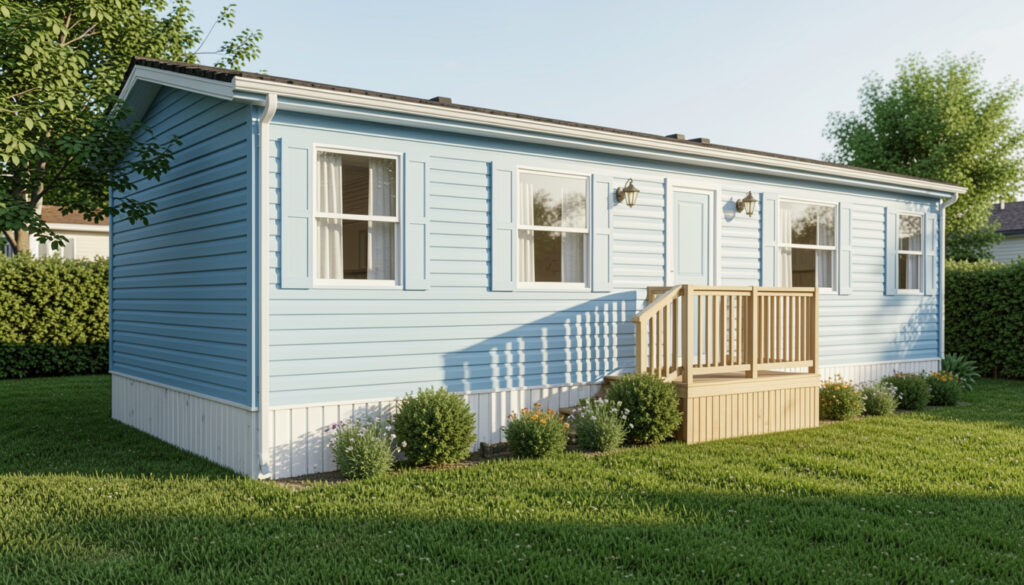
Coastal Sky Blue is perfect if you want a cheerful, beachy vibe without going too bold. This shade reads beautifully against bright green grass and natural wood trim, and it hides light dirt better than white. If your lot gets lots of sun, the color will pop and create a welcoming curb appeal. Try pairing it with white or navy accents for a crisp, finished look.
Warm Brick Accent
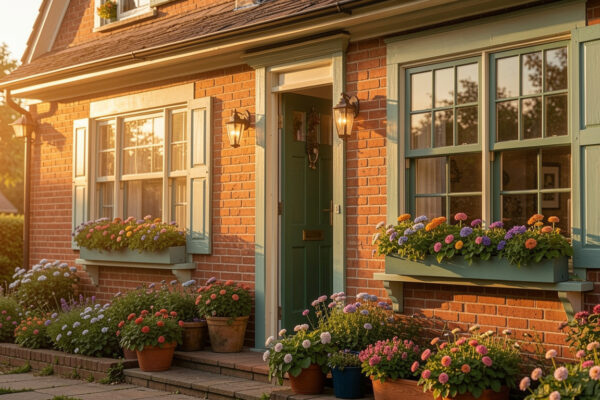
A warm brick-toned accent around doors or walkways adds instant grounding to a mobile home exterior. This kind of earthy red works especially well with neutral siding because it draws the eye toward entrances and hardscaping. You can call attention to a brick walkway or steps without repainting the whole structure, so it’s a beginner-friendly option. I love how these tones make outdoor plants look greener.
Garden Green Fringe
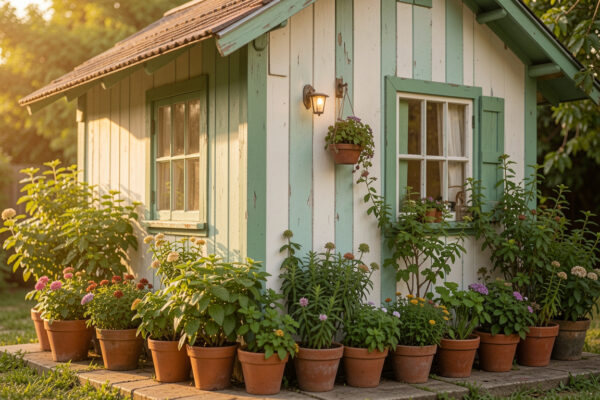
Garden Green adds fresh personality, especially when you have actual greenery around your home. It feels organic and cozy rather than flashy, and black trim provides a modern contrast that keeps the look grounded. If you’re aiming for a cottage vibe, this is your secret weapon. Make sure your trim colors are tested in natural light before you commit.
Soft Cornflower Blue
Soft Cornflower Blue reads like a softer version of the coastal look and works well with planter boxes and blooms. It’s forgiving when it comes to small repair spots and can suit both classic and farmhouse styles. Try pairing it with warm wood tones to avoid a sterile feel. This shade makes floral front gardens really stand out.
Snow White Refresh
Snow White is a timeless choice and visually expands small mobile home exteriors, but it shows dirt more easily. If you live in a snowy or dusty area, expect to do occasional touch-ups around high-traffic spots. You can balance practicality and style by selecting a warm white instead of a sterile bright white. White trim with a darker door color keeps the overall look crisp.
Barn Red Charm
Barn Red gives your mobile home a rustic, storybook feeling without much effort. It’s surprisingly versatile when paired with white or cream trim, and it hides imperfections in older siding. If you want a statement that still feels homey, this color is a reliable pick. I once used a similar shade on a shed and the whole yard seemed cozier afterward.
Classic Soft Gray
Soft Gray is my go-to recommendation for beginners because it reads modern but forgivingly neutral. You can warm it up with beige trims or cool it down with stark white and black accents. This color makes doors and shutters easier to coordinate without clashing. It also helps hide surface imperfections while staying sophisticated.
Natural Wood Tone
Using natural wood tones or stains on siding or accents brings instant texture and charm. This choice works especially well if you already have wooden steps or fences because everything ties together. You won’t need to repaint as often, and the finish can age gracefully. If you like a warm, organic look, consider mixing wood stain with a lighter neutral paint.
Driveway Neutral Beige
Neutral beige is low-maintenance and blends nicely with driveways, trees, and garden beds. It’s an especially smart pick if you want something timeless and unobtrusive that still looks intentional. You can elevate the look by adding navy or deep green shutters for contrast. This is a forgiving color if you plan to sell later or update small elements over time.
Earthy Construction Taupe
Taupe works great around unfinished yards or dirt roads because it won’t show dust as easily as white or pale pastels. This color reads modern and blends with surrounding trees and landscape elements. You can brighten windows and trim to avoid looking drab, and small accessories bring life back to the facade. It’s a practical starter option for new builds or fixer-uppers.
Meadow Green Calm
Meadow Green is a gentle, muted choice that pairs beautifully with wooden stairs and planters. It brings a sense of calm while still offering personality, which is great if you prefer understated color. I used a similar shade on a rental once and renters complimented it the whole season. Try matching porch furniture to the trim for a pulled-together look.
Palm Breeze Mint
Palm Breeze Mint has a relaxed, coastal energy that works well near palms and tropical plants. This lighter green-blue feels bright but not overwhelming when paired with white or crisp trim. If your mobile home sits in a sunnier climate, this color will feel fresh year-round. Keep in mind that lighter shades may need occasional touch-ups near high-traffic areas.
Porch Step Slate
Slate is a moody, sophisticated option that looks great on steps and lower siding where dirt is most visible. It provides drama without being too trendy, and it hides scuffs much better than pale hues. Accent with warmer wood tones and soft lighting to avoid an overly cold appearance. Slate makes porch plants and hanging baskets pop visually.
Shuttered Brown Accent
Brown shutters or trim create a traditional, cozy look and complement white or cream siding beautifully. This color is practical around doorways and steps since it hides marks well and ages gracefully. You can add texture with wooden railings and potted plants to complete the look. It’s an easy upgrade with a big visual payoff.
Before-and-After Neutral
Before-and-after palettes often lean toward neutral tones that refresh without shouting, and that makes them perfect for first-time painters. Seeing a staged comparison helped me decide when I repainted my own place – the transformation felt huge even with small changes. If you’re unsure, try painting a single section first to preview the effect. Neutrals give you a clean slate for bolder hardware or landscaping choices later.
How to Actually Make This Work For You
Start small and test paint swatches on multiple sides of your mobile home so you can see them in morning and evening light, and remember to consider trim, roof color, and landscape before committing – practical prep like cleaning and priming will make any color last much longer. Think about your climate and maintenance needs, then choose accents that are easy to touch up when life happens, and finally commit to a simple plan for painting trim and doors in a single weekend to avoid project fatigue.
How do I pick the right undertone?
Look at swatches in natural light and near the materials on your home, because undertones shift with surrounding colors – warm undertones pair well with wood and beige, while cool undertones suit gray or white trim. Test a full-size patch to confirm before buying gallons.
Can I paint a mobile home myself?
Yes – many beginners successfully repaint their mobile home exteriors with basic supplies and patience, and doing prep work like cleaning, sanding, and priming pays off more than rushed painting. If you have damaged siding or complex roofing, consult a pro for structural issues.
Which finish is best for siding?
Use an exterior satin or low-sheen finish for siding because it balances durability and the ability to hide imperfections, and it’s easier to clean than flat finishes. Reserve semi-gloss for trim and doors for contrast and added protection.
How do I maintain my paint job?
Clean siding annually, touch up chips quickly, and keep gutters and landscaping trimmed so water and plants don’t wear paint prematurely, and plan for a refresh every 7-12 years depending on exposure. Small seasonal checks prevent bigger repairs later.