Okay, can we talk about the best garden edging for gravel paths? I finally tackled my own gravel walkway last spring and realized the edging you pick totally makes or breaks the look – and the maintenance.
I wanted something that felt tidy but not fussy, and that wouldn’t let the gravel wander into my lawn. I tested a few simple options, asked my neighbor for his trick, and yes, I accidentally bought the wrong length once – story of my life.
Stick with me and I’ll walk you through 25 practical edging ideas, what worked for me, and little tips so you don’t repeat my oops moments.
These 25 Garden Edging Ideas for Gravel Paths
Stone Planter Edge
This stone planter-style edging is so pretty with purple flowers tucked right up against the gravel. I love how planters act like both border and mini garden – I once used one to hide a wonky sprinkler head and felt very proud. If you want a softer look that still contains gravel, this is a lovely, low-effort option.
Repurposed Tire Border
Using a tire is surprisingly clever and budget-friendly for a gravel path edge. It’s not the prettiest pick, but when painted or partially buried it can work great for a quirky garden vibe. I remember my college roommate using tires in her backyard and how it turned into a conversation spot – so creative.
Classic Brick Edging
Old brick edging gives instant character and keeps gravel contained beautifully. Bricks can sink or wiggle over time, though, so set them on a compacted sand base and you’ll be happier long term. When I rebuilt my front path, arranging bricks felt oddly therapeutic – like doing a little puzzle for the yard.
Wooden Planter Edge
A wooden planter beside a stone walkway blends natural textures and keeps edges neat. You’ll want wood treated for outdoor use or cedar, otherwise it’ll rot faster than you expect. I once let a cedar bench go untreated and learned that lesson the hard way – don’t be me, protect the wood.
Bricklaying Path Border
Laying bricks directly into the soil to form a border creates a cohesive look with hardscaping. It’s work but satisfying, especially if you enjoy hands-on weekend projects. My neighbor taught me a trick to tap bricks level with a rubber mallet – tiny tool, big difference.
Simple Shovel-Cut Edge
Slicing a clean edge with a spade is the cheapest option and surprisingly effective for light use paths. It takes maintenance – you’ll need to re-cut occasionally – but it looks crisp when done right. If you’re a neat freak like me, this method is oddly satisfying to keep up.
Sunlit Garden Bed Edge
Letting the gravel path sit next to a full garden bed softens the transition and hides stray stones. Plants do a lot of the work here, creating a living buffer. I planted low creeping thyme once and it held the gravel better than I expected – bonus scent every time I walked by.
DIY Brick Laying
If you enjoy DIY, laying your own bricks as edging is very doable and looks polished. Take your time leveling each brick and check alignment often – crooked edges are the worst. Once, my first row looked wobbly until I reworked it at midnight with a headlamp – don’t ask, just double-check.
Natural Rock Border
Small rocks or river stones create a rustic, low-key border that blends into landscapes. This is forgiving and works especially well if you like a cottage garden feel. I scattered stones after a storm once and the natural look felt like the yard had always been that way – instant charm.
Brick and Flower Edge
Combining brick edging with bursts of flowers gives a neat but colorful margin to your gravel path. It’s great if you want structure plus seasonal interest. I planted a few bulbs along a brick edge one autumn and was that person smiling at spring blooms – highly recommend.
Clean Brick Walkway
A tidy brick walkway next to gravel looks classic and professional. Regular sweeping keeps gravel off the bricks and prevents mixing. I borrow my neighbor’s broom more than I’d like to admit, but it keeps things looking intentional.
Street-Style Stone Path
A stone path flush with grass offers a neat, urban-meets-rustic edge to a gravel path. It’s sturdy and low-maintenance if installed on a proper base. I sometimes wish my own path looked this tidy from the curb – goals, honestly.
Colorful Cottage Garden
Let flowers spill over the gravel edge for a romantic, lived-in border that hides imperfections. You’ll need to trim occasionally, but the payoff is dreamy. Once, I let a patch go wild and my partner kept asking if we were having ‘wildflower month’ – ha.
Small Front Garden Edge
For small yards, a neat planted strip between lawn and gravel path makes the whole entry feel intentional. Scale matters here – small plants, small stones. I once used oversized shrubs and quickly had to admit they were too much – lesson learned, scale down.
Mixed Planting Border
Using a variety of plants along the edge creates texture and naturally contains gravel. Pick low groundcovers at the gravel line so you don’t trample taller plants. My planting experiments included a plant that refused to bloom, but it still added great foliage interest.
Wood Fence Accent Edge
Placing edging next to a wooden fence can make the whole corridor feel curated and cozy. You might add a row of pavers or small rocks along the base for neatness. Years ago I used tiny solar lights along a similar edge and that soft nighttime glow was everything.
Dual-Fence Stone Path
A stone path flanked by fences gives a defined corridor where gravel stays put. It’s particularly good for side-yard routes where you want durability. If you walk that path every day, pick materials that won’t shift after a season of rain.
Hand-Stacked Wood Edge
Stacking wood to create a rustic edge feels very DIY and natural in a woodland garden. Use rot-resistant timber and consider small gaps for drainage. I stacked a few logs once and frogs made a cozy home underneath – unexpected nature win.
Egg-Shaped Stone Border
Rounded stones arranged like eggs give a soft, organic boundary for gravel. They sit nicely and are forgiving if you need to move them later. My niece loved rearranging them into little sculptures, which was disruptive but adorable.
Hand-Worked Planting Edge
Working plants right into the edge is a low-tech but effective way to keep gravel in place. Choose tough, spreading species if you want a living barrier. I mixed a couple favorites and it felt like painting with plants – very satisfying.
Rock and Grass Blend
A mix of rock and turf around the gravel path creates a natural transition that’s easy to maintain. It’s casual and suits larger yards where strict lines aren’t needed. Once I tried this and my cat loved the new textures for her afternoon naps – animals approve.
Gray Stone Sheet Edge
Large sheets of stone can form a modern, clean edge that stays put. They give a low-profile look while physically stopping gravel migration. I almost bought a whole pallet of these until I measured the space twice – measuring saves money, always.
Lush Green Border
Dense planting right up to the path makes the gravel feel like part of the garden rather than a separate thing. It’s a great trick if you want a softer, more natural edge. When friends visit, they always ask how I keep it so full – secret is patience and consistent watering early on.
Delicate White Flower Edge
White flowers lining a gravel path look fresh and chic, offering contrast against stones. Choose low-growing varieties so they don’t block the walkway. I planted a narrow row of white alyssum once, and the scent was a tiny daily luxury.
Bench-Front Gravel Border
Sitting a bench near the gravel edge creates a lovely pause spot and makes the path feel purposeful. Using edging here keeps the seating area tidy and gravel-free. I made one bench area into my reading nook last summer and honestly it became my favorite weekend ritual.
How to Actually Make This Work For You
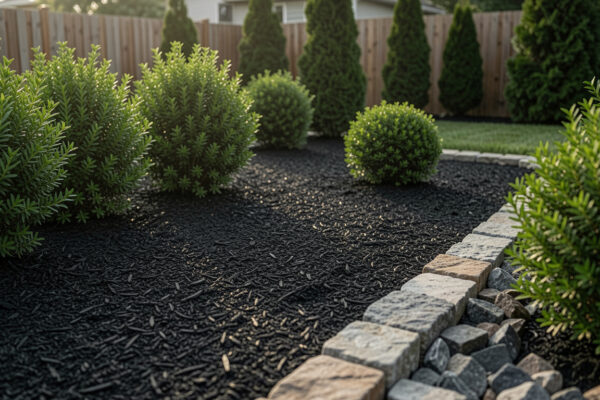
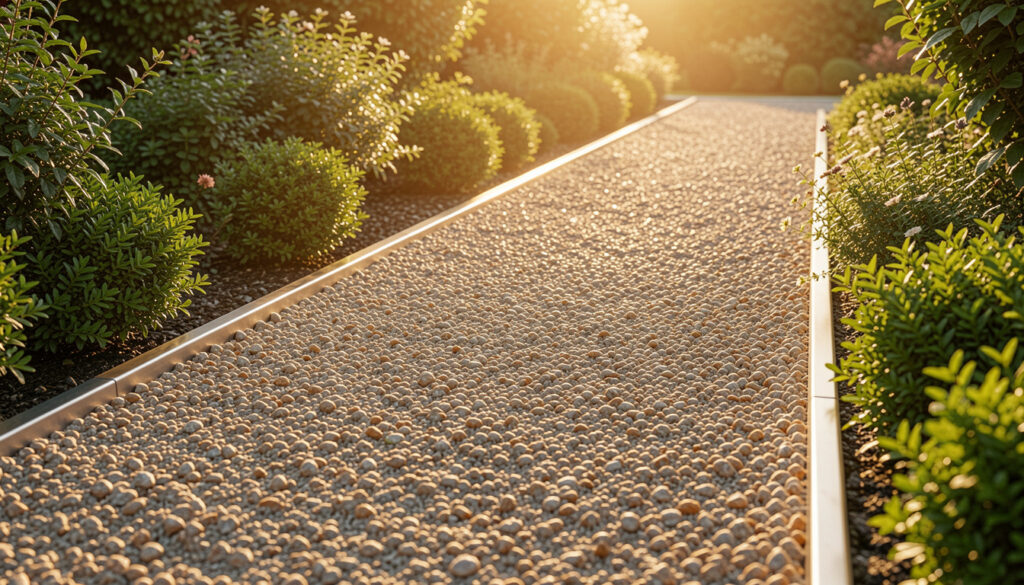
Think about maintenance, budget, and style before committing – nothing’s worse than choosing an edging you adore that needs way more upkeep than you expected. If gravel migration is your biggest fear, prioritize a physical barrier like metal, brick, or stone and plan to tamp and re-compact the base. For a softer, wildlife-friendly approach, plant low spreads and accept some seasonal tidying; you’ll get flowers and less formal character in return.
Which edging holds gravel best?
Hard edges like metal, stone, or brick hold gravel most reliably because they create a physical barrier and can be buried slightly for stability. Proper installation on a compacted base also helps prevent shifting over time.
Can I install edging myself?
Yes, many edging options are DIY-friendly if you have basic tools and patience – things like bricks, pavers, or timber can be installed over a weekend. Just measure, level, and take your time; mistakes are fixable but taking it slow avoids rework.
What’s budget-friendly but durable?
Recycled materials, simple shovel-cut edges, or bundled river rocks are low-cost and can last if installed right, though they may need more upkeep. Metal edging has a higher upfront cost but is very durable and tidy long term.
How much maintenance should I expect?
Maintenance ranges from weekly sweeping for neat formal edges to seasonal trimming for planted borders – choose based on how much time you want to spend. If you hate upkeep, lean toward rigid materials; if you enjoy gardening, living edges are a joy to tend.