I’ve fallen hard for the best perennials for full sun – they’re my garden obsession and the secret to a summer that actually feels alive. When the sun’s out I swear perennials are like little mood boosters, and I always reach for varieties that can take a full afternoon of sun without drama.
I’m writing this because I used to buy whatever looked pretty and then wonder why half my plants sulked by August – sound familiar? After a couple seasons of trial, error, and way too much Google, I have a go-to list that keeps my backyard bright and buzzing.
Below you’ll find 20 sun-loving perennials I’d recommend, with quick notes on looks, care, and where I’ve seen them shine – think of it like a friendly plant checklist you can actually use.
These 20 Sunshine-Loving Perennials You’ll Actually Grow
Fragrant Lavender
Lavender is my go-to for sunny spots – it loves heat, smells like summer, and pollinators show up like clockwork. I planted a bunch in a stone planter once and it instantly turned a bland corner into a little Provencal daydream. If you want low fuss with high payoff, this is it.
Cottage Garden Mix
This picture screams mixed-cutting-garden energy – coneflower, rudbeckia, and salvia all together make a lively patch. I love having a bucket of fresh stems for the kitchen table, even if sometimes my arrangements look wildly lopsided. You’ll get color all season and pollinators will thank you.
Sunny Yellow Pots
Those cheerful yellow blooms in blue pots? Think coreopsis or potentilla for full sun container magic. I learned the hard way that some perennials need good drainage in pots – lesson learned when I overwatered the first summer. Once you get the water balance right, they’re so easy and bright.
Soft Pink Phlox
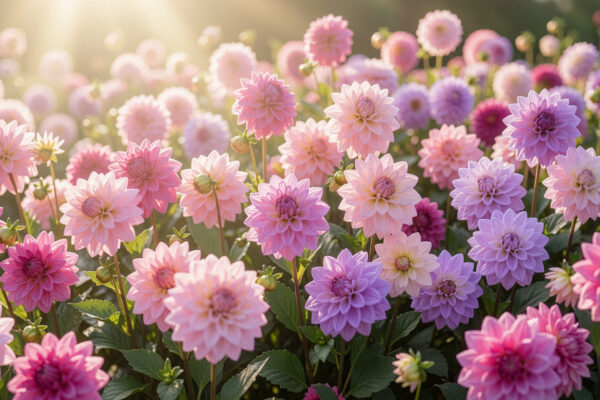
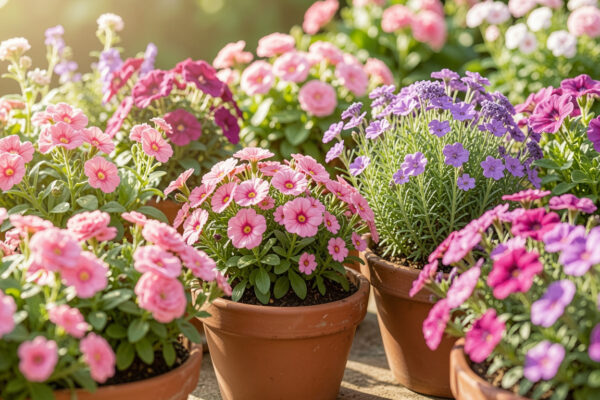
Phlox gives this soft, romantic vibe that looks great at borders or massed in a bed. I planted a patch under my kitchen window and honestly it makes doing dishes a tiny pleasure each morning. You’ll want to deadhead here and there to keep the blooms coming.
Colorful Mixed Collage
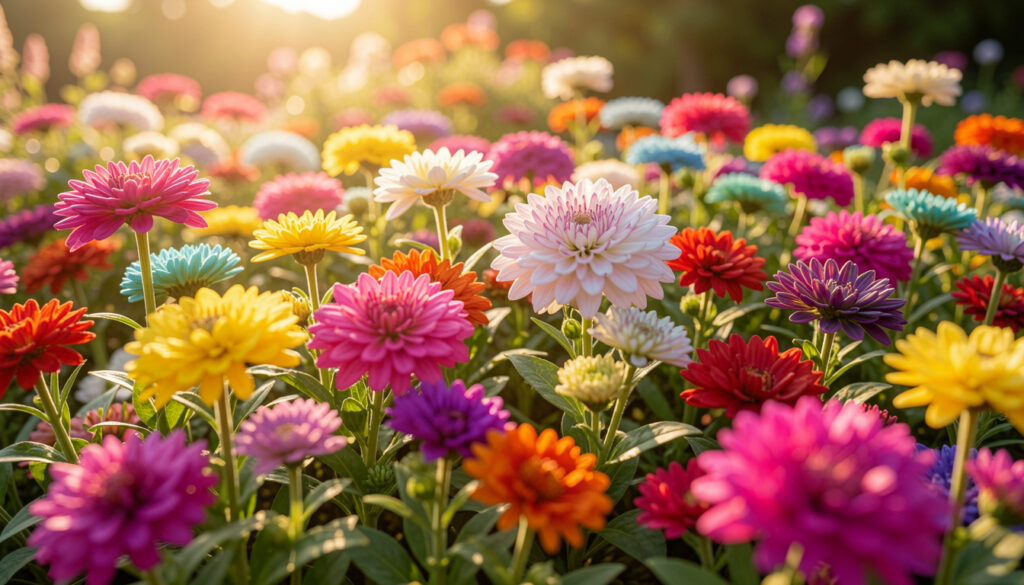
This collage-style bed is a reminder that perennials don’t have to match to look chic – mix heights and hues for movement. I often mix in sedum and gaura to add texture; some seasons it looks perfectly curated, other times it’s gloriously unruly. That’s part of the charm.
Purple Border Charm
Rows of purple flowers along an edge are so satisfying – catmint or nepeta works wonders and smells delightful. I used to plant them along a walkway and guests always reached down to smell them, which cracked me up. They’re forgiving and drought-tolerant after they establish.
Lavender-Blue Blooms
These cool-toned perennials bring a serene note to a sunny bed – salvia is a favorite for hummingbirds. I once planted salvia in a strip and watched bees have a whole festival for weeks. Expect a long bloom period and minimal drama.
Bright Red Accents
Red is bold and lively – penstemon or red daylilies add instant pop without needing fuss. My neighbor has a patch and it becomes the backyard focal point every July. These stand out against green foliage and handle full sun like champs.
Multicolor Sunny Bed
This mix shows how staggered bloom times keep a border interesting all season – pair early phlox with later asters and sedum. I like to plant in layers so there’s always something peeking up. You’ll enjoy a steady rotation of color instead of one short show.
Green and Purple Mix
Heuchera and sedum combos give you foliage interest as much as flowers – the purple leaves are such a mood. I put them where a little texture was needed and they quietly stole the show. If you want contrast without constant blooms, this is your duo.
Bright Orange Pops
Orange daylilies or montbretia? Either brings heat to a sunny border and attracts butterflies. I remember the first summer mine exploded into bloom – my partner kept calling it my “tiny sunrise.” They’re low-maintenance and forgiving if you forget to deadhead sometimes.
Pink-and-Green Pairing
Soft pink blooms against limey green foliage are such a fresh look – think gaura or pink dianthus blends. I often tuck a few of these near seating areas to enjoy their delicate motion in the breeze. They’re light-footed plants that don’t demand a lot.
Purple & Leafy Textures
Tall veronica or yarrow add vertical interest with purple tones and interesting leaves. I like to plant them behind shorter groundcovers so the bed reads in layers. They’re especially great if you want structure without a ton of pruning.
Rainbow Garden Mix
This kind of diverse palette is perfect for a relaxed, pollinator-friendly garden – the bees honestly throw a party here. I swapped a few plants with a friend once and now we both have slightly different versions of the same happy bed. Sharing starts have become a summer ritual.
Building-Lined Blooms
Planting a line of perennials next to a wall gives a neat, intentional look – phlox, rudbeckia, and dianthus all work well. I used this trick on a narrow strip by my house and it brightened the facade more than I expected. It’s an easy curb-appeal boost.
Summer Purple Clusters
Massed purple blooms like alliums or asters make a bold statement midseason and are so photogenic. My camera roll has embarrassingly many shots of my purple patch – I can’t help myself. These are show-offs and worth dedicating a bed to.
Classic Peony Romance
Peonies give that lush, full bloom that feels special each late spring – they love sun and a deep root run. A neighbor gave me a division years ago and it’s now the star of my front garden. Minimal care and spectacular returns make them a winner.
Purple Bloom Repeats
Repetition of a purple variety across a bed creates drama without fuss – think repeating salvia or aster. I used repetition along a path to create a sense of flow, and walking through felt oddly cinematic. It’s a simple trick that really ups the impact.
Flowering Branch Accents
Some perennials and small shrubs give a tree-like bloom early in the season – peony varieties or shrub roses can read like this. I planted a couple near my deck so their early blooms frame afternoon tea perfectly. They’re a little dramatic but so worth it.
Vertical Purple Vines
Clematis and other perennial vines are perfect when you want height without trees – train them up a trellis or pergola for gorgeous vertical color. I trained one up a white pole and the contrast made every evening feel like a tiny celebration. They need a cool root spot and sunny tops.
How to Actually Make This Work For You
Plant perennials in groups so they look intentional – three to five of the same variety reads like a design move instead of a random scatter. Match plants to your soil and sun exposure honestly; if your site bakes in afternoon heat, pick drought-tolerant choices like lavender, sedum, and coreopsis. Finally, don’t be afraid to divide and share – splitting overcrowded plants every few years keeps them healthy and gives you free starts to try somewhere new.
How much sun do “full sun” perennials need?
Full sun means about six or more hours of direct sunlight each day – morning and afternoon combined is ideal. If your spot gets fewer hours, choose varieties labeled “part sun” instead so they won’t stress out.
Do these perennials need a lot of watering?
Most full-sun perennials are moderate to low water once established, especially drought-tolerant types like sedum and lavender. New plants need consistent moisture until they set roots, then ease off and water deeply but less often.
When should I divide or deadhead them?
Divide clumping perennials every 2-4 years in spring or fall to refresh growth and avoid overcrowding. Deadheading spent blooms encourages more flowers for many varieties – for some like peonies you only need to tidy up after bloom.
Can I grow these in containers?
Yes – many sun-loving perennials do great in pots if you give them good drainage and regular water, since containers dry faster. Use a high-quality potting mix and consider slightly smaller combos to avoid root crowding.