Okay, picture this: you want your home to look expensive but your wallet is politely reminding you that finesse can be done on a budget – that’s exactly why we’re talking about home styles exterior on a budget. I get so excited about small changes that read luxe from the street because I live for those before and after moments.
I started experimenting with paint, simple landscaping, and thrifted fixtures the moment I moved into my first place, and honestly a few thoughtful swaps made the whole block do a double take. This article exists because you deserve to feel proud pulling into your driveway without spending a fortune.
Read on and I’ll walk you through twelve exterior styles that look high-end, plus practical ideas you can try this weekend.
These 12 Home Styles Exterior On A Budget That Look Expensive
Cozy Stone Steps Appeal
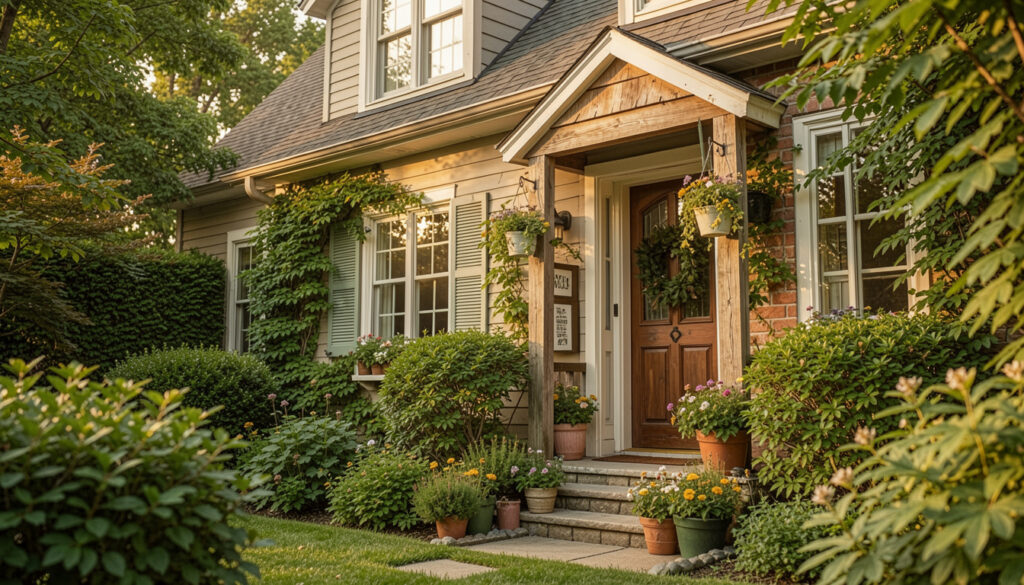
Stone steps instantly make an entry feel timeless and substantial, and you can often get reclaimed or leftover flagstone for a fraction of new materials which keeps costs low while adding genuine character. I remember sourcing irregular stones from a local landscaper’s pile and laying them with packed sand and gravel, and neighbors actually stopped to ask about the “new” look. If you want to push the effect further, add low, layered plantings on the sides and a simple lantern-style sconce to create an entrance that feels curated rather than expensive-looking.
Winter White Cottage
Painting a compact home in a crisp, warm white can read high-end when paired with contrasting trim and a classic front lantern, and white also reflects light beautifully on snowy or dim days which makes the house feel intentional. You can save by choosing a durable exterior paint in a mid-range finish and tackling the prep and painting yourself with a friend as company for a weekend project. Add simple wreaths or minimal seasonal decor to keep the look polished without spending on permanent upgrades.
Brick House Glow
When brick is already part of your home, highlighting its texture with warm lighting and clean window frames elevates the facade without major renovations, and replacing inexpensive window trim or repainting the sill can create a sharp contrast that feels intentional. I once swapped out dated shutters for narrow modern ones and painted the trim deep charcoal, and suddenly the whole front porch read like a professionally staged photo. To stretch your budget further, focus on pressure washing and tuckpointing small sections rather than attempting a full brick restoration.
Polished Wooden Deck Front
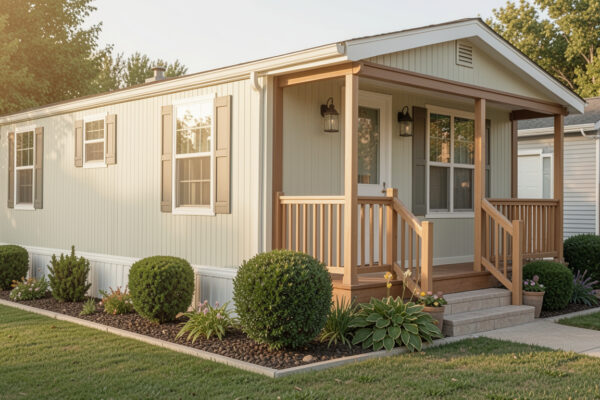
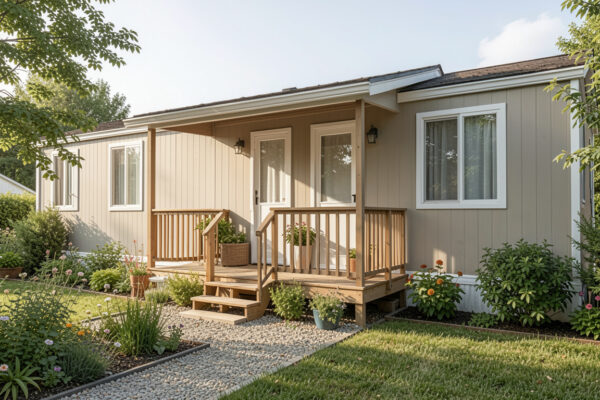
A well-stained wooden deck and front landing can transform a plain entry into a welcoming outdoor room, and using a dark, rich stain paired with potted greenery creates the sense of an intentional extension of your living space. You can refinish existing wood instead of replacing boards to save thousands, and adding a few durable outdoor rugs and simple furniture makes the space look styled and inviting. Think of it like dressing your home for a casual dinner party – small decorative investments go a long way.
Classic Farmhouse Silhouette
That iconic farmhouse look—clean lines, white siding, and a pitched roof—reads timeless and expensive when scaled correctly, and you can mimic it with vertical siding panels or even well-painted plywood accents for a fraction of the cost. I once created a faux board-and-batten accent around my garage by fastening narrow battens to painted plywood, which completely changed the elevation without structural work. Pairing simple black hardware and a statement porch swing will sell the aesthetic for minimal expense.
Nighttime Brick & Vine
Letting climbing plants trail up a brick facade and adding subtle uplighting turns an ordinary wall into a dramatic focal point after dark, and establishing vines can be inexpensive if you choose fast-growing but manageable species and train them carefully. Lighting is the trick here – inexpensive LED uplights and solar path lights can create drama that masks simpler materials and suggests craftsmanship. You should prune and guide growth so the plants feel intentional rather than overgrown, and a tidy base of mulch or low shrubs completes the curated effect.
Before And After Transformation
A split-view comparison proves how changing windows, roof accents, and trim color can take the same structure from tired to show-stopping, and you can often reuse existing windows by adding new surrounds or painting frames for a high-impact update. I have a folder full of before and after photos because I love collecting proof that small edits matter, and sharing them with friends always sparks their own mini-makeovers. If your budget is tight, prioritize the elements people notice first – front door, windows, and porch – then schedule other projects over time.
Black Cottage Edge
Painting a small home a deep charcoal or matte black gives it instant drama and sophistication when balanced with natural stone and greenery, and dark colors can actually help architectural details read sharper by creating crisp shadows. You need to consider heat absorption in warmer climates, but for cooler zones a black exterior reads luxe, especially with warm wood accents and brass hardware. Try a single accent wall or garage door in a dark hue first to see how it reads before committing to the entire exterior.
Charming Gray With Trim
Soft gray siding with bright white trim and a colorful front door is a timeless palette that feels curated rather than costly, and you can refresh siding with pressure washing and a new coat of paint instead of replacing it. I painted my own trim after practicing on a shed and was shocked by how much cleaner the whole property looked, which proves DIY can be powerful when you’re careful about prep. Accent with seasonal wreaths and simple flower boxes for a look that changes with the months yet always feels elevated.
Snow-Ready Elegant Entry
If you live in a snowy region, designing the exterior to look expensive in winter means clear sightlines, layered textures, and strong silhouettes that stand out against snow, and investing in durable, low-maintenance finishes will actually save money long-term. A heated mat for the steps or a covered entry are luxuries that, when added selectively, feel like high-end features even if you install smaller versions first. You can also mimic build quality by choosing heavier-look fixtures and a consistent color story across the facade.
Stylish Outdoor Living Nook
Creating a cohesive outdoor living area with layered textiles, a statement rug, and mix-and-match seating instantly suggests a designer eye and can be achieved with thrifted or seasonal pieces, and simple string lights elevate the space at night. I once styled a tiny deck with two thrifted chairs, a couponed rug, and a coffee table that I painted, and everyone assumed it was designer-made. Keep the palette limited to two or three tones so the area feels intentional rather than haphazard.
Aerial Field Charm
From above, symmetry in landscaping, coordinated roofs, and consistent hardscape materials make a property look planned and therefore high-value, and you can suggest that planning with simple repeated elements like matching planters or a consistent pathway material. If you’re able to tweak the driveway or plantings in phases, do so with a master palette so each change complements what’s already there. Neighbors and visitors will notice the cohesion, and that sense of order reads as investment and care.
How to Actually Make This Work For You
Start by walking your property and listing three elements you notice first from the curb – maybe the door, the lights, and the lawn – then allocate most of your budget to those priorities so the impact is immediate and obvious, and tackle the rest in small, scheduled projects so progress feels continuous rather than overwhelming. Pair inexpensive cosmetic upgrades like paint and hardware with one or two tactile improvements such as solid steps or a stained deck to create a balance of looks and substance, and don’t underestimate the power of good lighting and well-placed plants to pull the whole look together.
How much will these changes typically cost?
Costs vary widely based on materials and whether you DIY, but many high-impact updates like paint, lighting, and hardware swaps can be done for a few hundred to a few thousand dollars. If you do the labor yourself you’ll cut costs dramatically, and shopping sales or reclaimed materials stretches your budget even further.
Which exterior project gives the best return?
Updating the front door and entryway, improving landscaping for curb appeal, and adding modern lighting generally give the strongest perceived return because they are the first things people notice. Even small investments in these areas can shift the perceived value of your whole home.
Can I safely DIY structural exterior changes?
Minor cosmetic updates like painting, landscaping, and installing lights are great DIY projects, but structural work such as major roofing, foundation, or window replacements should be handled by pros for safety and code compliance. If you’re uncertain, get a consultation so you understand permit needs and long-term implications.
What if my house style doesn’t match these ideas?
Take inspiration rather than copying exactly – adapt palettes, textures, and lighting to suit your architecture so improvements feel authentic. A thoughtful tweak that respects your home’s bones will always read better than forcing a style that clashes.