I’m totally obsessed with japanese courtyard garden plants right now – they make small outdoor corners feel like a tiny, calming retreat. I fell for that mossy, layered look the first time I visited a tea house, and honestly, my balcony has never been the same.
I wrote this because creating a cozy courtyard doesn’t need a green thumb or a huge budget – just a few right choices and some patience. I’ve tried and failed (and honestly overwatered a few times), so I’m sharing what genuinely worked for me.
Below you’ll find 10 plant and design ideas that fit a Japanese courtyard vibe, plus little tips from my own trial-and-error so you can make this feel like your own peaceful nook.
10 Cozy Japanese Courtyard Garden Plants You’ll Want
Mini Bamboo Corners
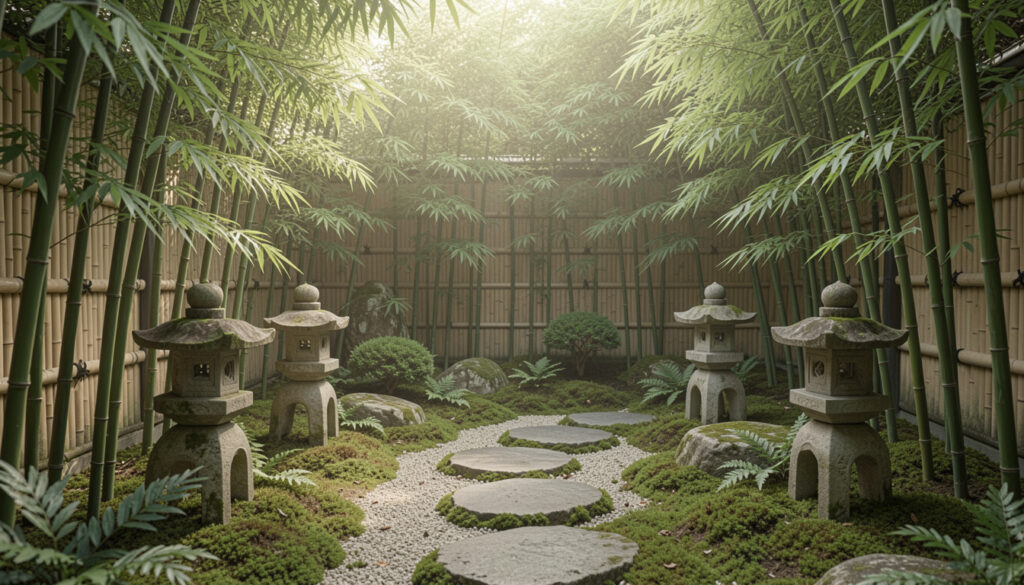
Bamboo is the instant mood-setter – it whispers movement and creates privacy without heavy fences. I once popped a dwarf bamboo into a corner between two buildings and suddenly it felt like a secret courtyard; neighbors smiled more, too. If you place it in a pot, you can control the root spread, and you’ll love how it sounds in the wind.
Soft Moss Patches
Moss is everything for that lived-in, ancient feel – it’s forgiving and soft underfoot if you create a stepping path. I have a tiny patch that refused to grow until I stopped fussing, which taught me patience; sometimes plants just need quiet. Try keeping moss damp and shaded, and don’t be afraid of tiny imperfections – they make it charming.
Stone Pathway & Stepping Stones
Stepping stones make the courtyard feel intentional and slow you down – literally. We laid a few irregular stones across a bed of gravel, and suddenly evening tea felt formal in the best way. If you want a rustic touch, let low-growing herbs or moss peek between the stones.
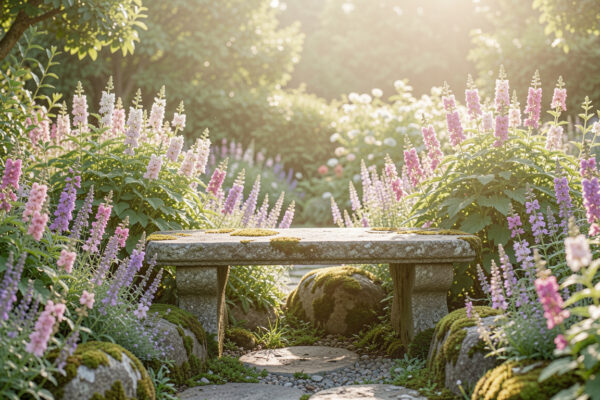
Stone Bench With Blooms
A stone bench is both practical and photogenic, and I love how plants softening the edges can make it cozy. One spring I found tiny violets tucked into a crevice of an old bench and sat there for an hour reading – magic. You can plant trailing foliage in gaps to create that same romantic, slightly-wild look.
Outdoor Living Nook
Think of this as an indoor room moved outside – low seating, a small table, and plants forming a green backdrop. I hosted my first garden dinner here and kept telling myself “pinch me” because it felt like a tiny vacation. If you add lantern-style lighting, evenings become ridiculously cozy.
Bamboo Fence & Screens
Bamboo fencing is a simple way to divide space and introduce texture without bulk. When I lived in an apartment, a rolled bamboo screen transformed my balcony into a courtyard escape, and it was one of my best DIY wins. Pair it with climbing plants or simple potted shrubs for depth.
Circular Gate & Framed Views
A circular opening or moon gate frames a view like art and invites curiosity – you know there’s something lovely beyond. My grandmother once took me to a garden with a tiny round gate, and I still remember the excitement of peeking through; it’s a small theatrical moment. Try using a low wall and a single framed plant for that same effect.
Wooden Walkways Into Green
Wooden planks lead you into the garden and feel warm underfoot, balancing stone and gravel. We built a short pathway using reclaimed timber and it instantly softened the space; friends always comment on it. Keep the wood sealed and slightly elevated so it ages beautifully without rotting.
High-Contrast Aerial Layout
From above, a courtyard can read like a small landscape painting – pockets of green, gravel, and stone. I took an accidental rooftop photo once that revealed how patterns mattered more than perfect plants, and that changed how I planned my spaces. If you have the chance, shoot a quick photo from above to check balance and flow.
Gravel, Rocks, and Miniature Trees
Gravel beds and sculpted rocks are the backbone – they structure the space and let the plants sing. I admit I was nervous about minimalism at first, but once I removed clutter the plants looked happier and so did I. Try pairing maples or small evergreens with raked gravel for that classic, meditative vibe.
How to Actually Make This Work For You
Start small and think in layers – groundcover like moss or dwarf mondo grass, mid-height shrubs or bamboo, and a focal tree or stone piece. Place taller elements at the back or corners and keep pathways clear so you can actually stroll through and enjoy the textures; I learned that after cramming too many pots into my first attempt. Watering matters less than consistent light – if you have shade, choose mosses, ferns, and hostas, and if your courtyard gets sun, go for maples and dwarf conifers. Finally, embrace imperfections – a crooked stepping stone or a slightly overgrown pot adds character and feels more authentic than something overly staged.
Can I create this look in a tiny courtyard?
Yes – scale is everything, so pick dwarf or slow-growing varieties and use vertical elements like bamboo screens to add depth. You can also use pots and stagger heights to make a narrow space feel layered and lush.
Which plants need the least maintenance?
Moss, dwarf bamboos, and certain conifers like dwarf pines or Japanese maples in the right light are low fuss once established. Regular light watering and occasional pruning will keep them happy, and they reward gentle neglect with lasting charm.
How do I prevent overwatering?
Use well-draining soil and pots with holes, and check soil moisture before watering – stick your finger down an inch or use a moisture meter. I learned this the hard way after my first fern showdown, so trust your instincts and water less if in doubt.
Can I mix modern elements with traditional plants?
Absolutely, mixing concrete planters or sleek benches with classic plants like moss, maples, and bamboo creates a calming contrast. I paired a minimalist bench with mossy rocks and it felt fresh yet timeless – the best of both worlds.