Low maintenance flowers for beginners feel like a small, happy rebellion against perfectionism – I totally get the appeal. I started with one sad little pot on my balcony last spring and somehow ended up with a mini floral parade that survives my imperfect watering schedule.
I wrote this because there’s nothing worse than buying a plant you love only to accidentally neglect it into wilted regret; I’ve been there, trust me. Over the past few seasons I’ve learned which blooms forgive forgetfulness, which forgive shady corners, and which just want to be left alone to do their pretty thing.
Read on and you’ll get twelve forgiving flower ideas, real-life tips I actually use, and a few funny mistakes I made so you don’t have to repeat them.
These 12 Low Maintenance Flowers for Beginners You’ll Love
Picnic Basket Blooms
This wicker-basket-style arrangement is basically the floral version of “I tried and it looks cute” – perfect if you want charm without complicated care. I once carried a similar basket across a field for a friend’s birthday and the flowers survived being squished in the car more gracefully than I expected. You can tuck these into a sunny spot and mostly ignore them, and honestly, that’s the dream for a busy week. Tiny side note – I did forget to deadhead one bloom and it still looked fine, so don’t panic if you miss a trim now and then.
Potted Cosmos & Dahlias
Cosmos and smaller dahlias are such great beginner plants because they reward sun and a bit of water without drama. I planted cosmos in pots last year and they reseeded themselves in the cracks of my balcony tiles – a surprise that felt like free confetti. If you give them some sun and remove spent blooms occasionally, they’ll reward you with weeks of color. Also, trust me, the pollinators are grateful – I started getting tiny bees and butterflies that made my morning coffee ritual feel like a tiny nature show.
Purple + Yellow Combo
This cheerful purple-and-yellow pot is perfect for adding instant brightness where you need it most – windowsills, small patios, or a sad deck step. I mixed similar combos after a gloomy winter and every time I walked by, the color bounced me back to a better mood. You don’t need botanical expertise to pull this off; pick two complementary colors and a pot with decent drainage, and you’re golden. Small caveat – I overfertilized once and learned that less is often more with these combinations.
Simple Pink Pot
There’s something soothing about a single-color pot that you can set on a shelf or bedside table to quietly uplift a room. I had a tiny pink-flowered pot near my laptop all summer, and it survived my chaotic schedule and a few missed waterings like a champ. If you’re the kind of person who forgets 90% of plant care reminders, this is a forgiving pick. Plus, it’s a low-key way to practice deadheading and pruning without committing to a huge garden.
Wildflower Grounders
These scrappy, ground-level blooms are the definition of low maintenance – they mingle with the grass, spread, and generally do their own thing. I once tossed a handful of wildflower seeds in a patch of neglected yard and forgot about it until a month later when color appeared like magic. You’ll get a mix of textures and colors without fuss, and honestly, the slightly messy look feels intentional. Little tip – they aren’t picky about soil, which is why I love throwing them into corners other plants wouldn’t touch.
Wooden Planter Charm
A wooden box full of blooms looks curated but doesn’t take much babysitting if you choose resilient varieties. I built a shallow planter one weekend and filled it with easy bloomers – it became my go-to spot for morning tea and terrible poetry readings with friends. Filling a wooden planter lets you tuck in a couple of different plants so they cheer each other on without needing careful rotation. Also, wood breathes differently than plastic, so just be mindful of watering frequency – a small tweak and you’re set.
Concrete Planter Surprise
I love how flowers spilling from a concrete edge look like they’re winning a slow, elegant takeover of the city – and they’re surprisingly low fuss. I had a tiny concrete balcony ledge that I thought was impossible to green up, then a few tough little plants proved me wrong and brightened the whole view. These kinds of plants tolerate heat and reflected light well, so they’re ideal for sunny, awkward spots. Quick aside – concrete can dry pots faster, so check moisture a day earlier than you think.
Everyday Pot Pick
This simple potted cluster is exactly what I recommend to anyone who says “I kill plants” – it’s forgiving and unpretentious. I once gifted a friend a similar pot when she moved into her first apartment, and three months later she sent a photo of it thriving on her kitchen counter – small victory vibes. You’ll want pots with drainage and soil that holds a bit of moisture without staying soggy. If you accidentally leave it out in a rainy week, it will probably be fine – promise.
Window Table Bouquet
A mixed vase by the window is not only low effort if you pick long-lasting stems, it also makes your space feel intentionally cozy. I used to buy single stems and assemble tiny bouquets every Sunday – it became my ritual and honestly helped me feel like an adult. You can snip spent blooms and rotate stems to stretch the life of a bouquet, and it feels therapeutic more than like work. Tiny imperfection admitted – I once left a bouquet too close to the sun and learned that shade helps some stems last longer.
Border Brights
Planting a colorful border along a bed is an instant curb-appeal win and many border flowers are hardy and low-care. I remember the first summer I planted a neat edge – neighbors actually stopped to compliment it, which made me blush hard. These types often self-sow a bit and tolerate varied soil, so you don’t need a green thumb to win this one. If you want a polished look, a single tidy trim in late season usually keeps things in check.
Balcony Yellows
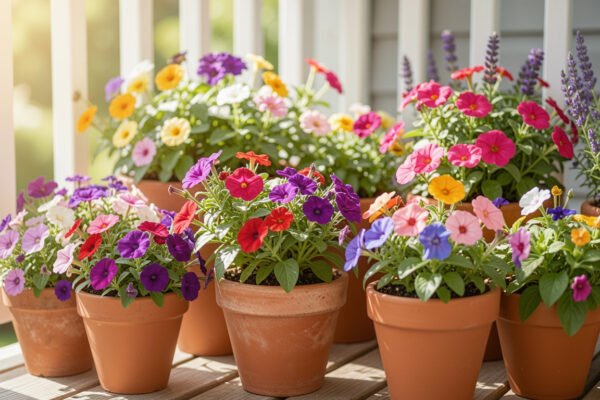
Sunny yellow potted flowers are cheerful and usually pretty forgiving if they get lots of light and occasional watering. My balcony turned into a tiny happy corner when I added a few mustard-hued pots and suddenly my mornings felt sunnier, even on messy days. These plants often attract beneficial insects and handle heat better than delicate blooms, so they’re great for busy folks. One tiny note – check pot drainage if it rains a lot in your area.
Classic Garden Staples
Roses, peonies, and classic heirlooms sound fancy but you can actually find low-maintenance cultivars that thrive without constant fuss. My first attempt at roses involved a lot of googling and a small meltdown, then I found a hardy shrub rose that changed everything – less drama, more blooms. These staples give a garden structure and a sense of permanence, which I love, and as a beginner you can start with one forgiving variety. If you want to go slow, pop one in and learn its rhythm – it’s surprisingly rewarding.
How to Actually Make This Work For You
Start with one or two pots and pick spots with consistent light – that little routine of “put pot here and keep an eye on it” beats impulse buys and chaos. Try to learn the watering rhythm for your specific balcony or garden – feel the soil with your finger before you water, and remember that pots usually dry faster than the ground. Give yourself permission to fail a little – I lost a plant in my first month and it honestly taught me more than a perfect season ever could; treat the whole thing like a series of tiny experiments rather than strict rules.
What makes a flower low maintenance?
Low maintenance flowers usually tolerate a range of light and soil, resist pests, and don’t need daily attention – they bounce back from missed waterings and don’t require fancy fertilizer schedules. For beginners, look for words like “easy,” “drought-tolerant,” or “for containers” on tags or descriptions.
Can I grow these in small apartment spaces?
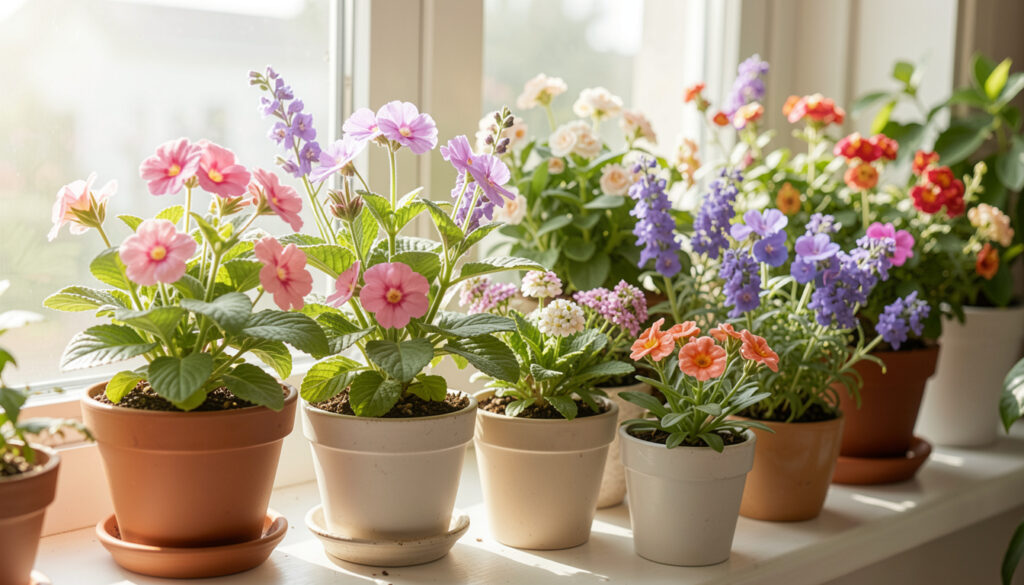
Yes – many of the picks here thrive in pots and on windowsills, as long as you match the plant to the light you have. South-facing windows love sun-friendly types, while north or east windows work for those that prefer indirect light.
How often should I water potted flowers?
It depends on pot size, soil, and weather, but a good rule is to check soil moisture with your finger and water when the top inch feels dry. Overwatering is more common than underwatering, so when in doubt, wait a day and recheck.
Any quick tips for picky time schedules?
Choose drought-tolerant varieties, use bigger pots that hold moisture longer, and set a simple weekly reminder for a watering check – that tiny habit saves a lot of plant drama. I set a calendar alert on my phone and it’s mildly life-changing for my greenery and my sanity.