I’ve been obsessed with natural garden edging ideas no dig ever since I finally ditched my ugly plastic borders last spring – they felt so fake and brittle. I wanted something that looked effortless and lived in, like the garden had always been there, and these no-dig options felt perfect for that vibe.
This article exists because I tested a handful of simple, no-dig edging tricks in my own tiny yard and learned what actually holds up and what falls apart after a rainy week. I planted, placed, and prodded my way through pebble borders, brick accents, and living plant edges so you don’t have to waste a weekend.
Below you’ll find 12 natural garden edging ideas no dig that are realistic, inexpensive, and beginner-friendly – plus my honest notes about how they perform. By the end you’ll know which ones will look good in your yard and which ones to skip.
These 12 Natural Garden Edging Ideas No Dig You’ll Actually Try
Mixed Plant Fringe
This look uses clumps of low-growing plants and ornamental grasses to form a soft, living border that keeps mulch and soil from spilling into the lawn. I used sedum and thyme once and loved how the scent filled the air when I knelt down to weed – tiny reward for small work. If you want movement and pollinators, this is lovely; just expect a little seasonal tucking-in when plants spread. You can mix textures and heights so it feels relaxed instead of too formal.
Wildflower Edge
A strip of low wildflowers along a bed creates a carefree border that brings color and bees to the edge of your garden. I once tossed a handful of seeds into a narrow strip and was amazed at how full it looked by midsummer – zero digging, just patience. It’s an especially fun trick if you want a cottage-garden look without the formality. Note – you’ll need to deadhead or reseed some years to keep it from getting floppy.
Living Moss Border
Moss is a dreamy, cushiony border that thrives in shade and takes almost no maintenance once established. I snapped up a handful from a friend’s yard (shh, she gave it to me) and pressed it into a damp trench along my stones – within weeks it looked like it belonged. This option is perfect if your pathway is shaded and you don’t mind a softer, slightly wild edge. Just be gentle when you step nearby; moss doesn’t like heavy foot traffic.
Stacked Bricks, Laid Loose
Rather than mortaring bricks, lay them in a single or double row directly on the soil for an instant rustic border. I salvaged a small pallet of mismatched bricks from a neighbor and loved how the uneven tops gave my flower bed character. Rain settles them in over time so they become more stable without digging or heavy work. If you want crispness, tap each piece into place with a rubber mallet and add sand to settle gaps.
River Rock Ribbon
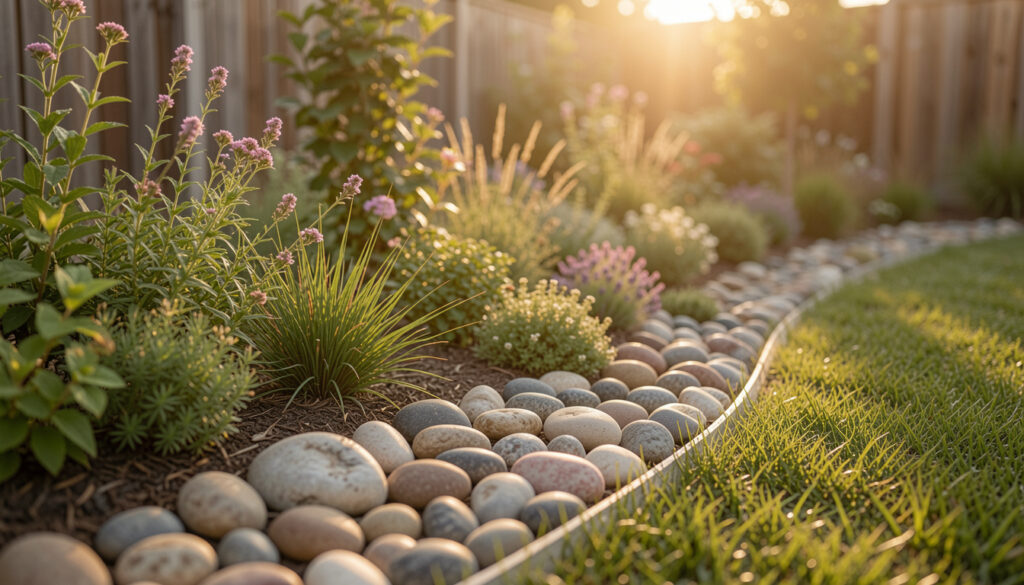
River rocks create a natural, low-maintenance barrier that lets water pass through without eroding the bed edge. I remember hauling a bucket of pebbles back from a garden center and thinking it was going to be tedious – but it was oddly meditative to place each stone along the curve. The rocks settle and look better over time, especially after a rain. If weeds pop up between stones, I just pull them by hand – easy enough.
Front Yard Cottage Strip
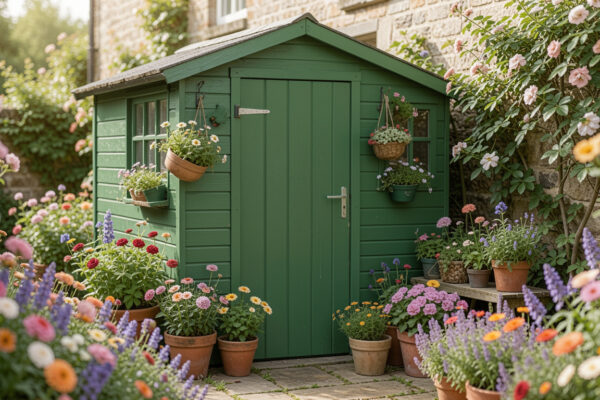
A narrow planted strip between lawn and walkway can feel charmingly handmade and needs no digging if you tuck plants on top of the soil and let roots do the work. I once squeezed a row of dwarf lavender into a thin patch and the scent every time I walked past made me smile – honestly my neighbors commented too. Keep plant choices tight to avoid a sloppy look, and water well the first season so roots can establish. Over time the plants knit into a cohesive edge that looks effortless.
Brush-Cleaned Stone Border
Cleaning and re-laying existing stones along the edge of your path is a tiny project that feels rewarding and takes almost no new materials. I spent a sunny afternoon scrubbing moss off pavers and shifting them slightly – such a simple change made the border sing. If your stones wobble, tamp them gently into place and add sand between to lock them in. You’ll love the before-and-after, promise.
Mulch Mounded Edge
Piling mulch into a shallow berm along the bed gives a neat, raised look without touching the soil with tools. I used this trick around a young tree and it hid the roots while keeping grass from creeping in – worked like a charm. It’s best after a fresh mulch application, and you can refresh it each season to keep the line crisp. One tip – don’t pile mulch right against plant stems; leave a small gap so roots can breathe.
Brick Path Accent
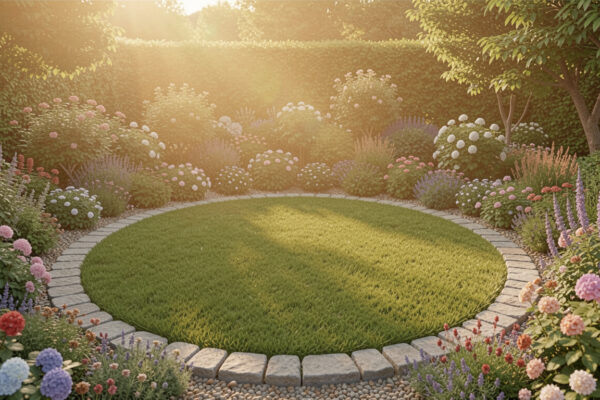
An edging made from half-buried bricks along a path gives a vintage, handcrafted feel with zero heavy digging. I once angled old reclaimed bricks to form a scalloped border and it immediately made the pathway cozier. The bricks settle naturally into the soil and look better as dirt smudges them – no need to fuss. If you want straight lines, use a string as a guide while placing them.
Simple Rock Cluster
Grouping medium-sized rocks in a line creates a garden edge that feels geological and permanent without shoveling a trench. I dragged a few flat stones from my driveway and set them on edge near my herb patch – the look is rustic but refined. Over time soil and plants mellow the edges so everything blends together naturally. And if a rock shifts, it’s an easy swap or nudge back into place.
Purple Bloom Fringe
Planting a narrow row of compact, purple-flowering perennials gives a clean, colorful edge that’s soft to the touch and very pleasing to bees. I planted a little band of catmint and was delighted by how it hugged the lawn’s curve by late June. Keep the plants trimmed back just a touch so they don’t tumble into the grass. This approach feels polished without any masonry or tools.
Boulder Seat Border
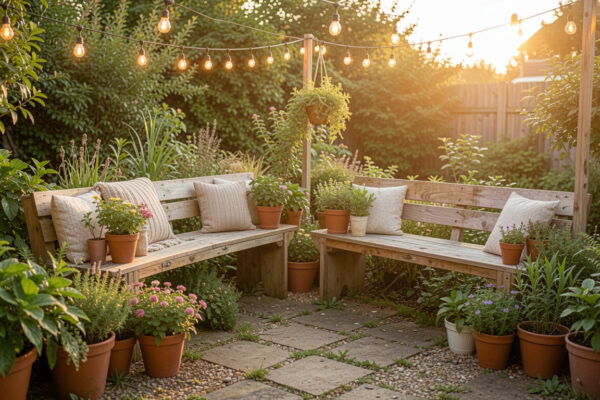
Using a few larger rocks as both edging and casual seating gives you a practical border that invites lingering in the garden. I once perched on a low boulder while sipping coffee and realized I was closer to the flowers than I’d been all morning – lovely moment. This option is great where kids play or you want a place to set a drink while planting. Place the boulders where they complement curves instead of fighting them.
How to Actually Make This Work For You
Start small and pick one edge to experiment on – it’s tempting to redo the whole yard at once but testing a single bed tells you what suits your climate and maintenance tolerance. Match materials to your garden’s style and traffic – delicate moss is great by a quiet path, while rocks or bricks fare better near lawn edges – and don’t be afraid to mix living and hard elements for balance. Finally, give your no-dig edge a season to settle before tweaking too much; a little patience goes a long way and you’ll learn what needs a tidy up versus what looks charmingly lived-in.
Do no-dig edges stay in place after heavy rain?
Many no-dig edges like rocks, bricks, and mulch berms hold up well after rain because they allow water to pass through rather than trap it. Some shifting can happen initially, especially with loose stones, so plan to nudge things back into place after storms and add a bit of sand or smaller pebbles to stabilize if needed.
Are living plant edges higher maintenance?
Living edges usually need more attention the first season while plants establish roots, which means watering and occasional trimming. Once mature, many combinations – like sedum, lavender, or low grasses – become low-maintenance and can even help suppress weeds along the border.
Can I use recycled materials for no-dig edging?
Absolutely – reclaimed bricks, broken concrete pieces, or found stones are perfect for a no-dig approach and add personality to your yard. Just clean them if needed and place them thoughtfully so they complement your plants rather than compete visually.
Which option is best for small yards?
For compact spaces, narrow plant strips, neat rows of low stones, or a single line of bricks work best because they save space and keep things feeling light. Choose lighter-textured plants and avoid wide berms that steal usable lawn or path area – you want an edge that frames the space, not overwhelms it.