If you’ve ever stood in the dappled light of your backyard and wished a shady strip could feel intentional, shade perennial border ideas have been my little obsession this spring. I grew up with a south-facing garden so learning to design for shade felt like picking up a new language, but honestly it’s way more forgiving and amazingly lush when you get the mix right. Now I get a tiny thrill when a gloomy corner quietly transforms into a soft, layered border that actually feels intentional.
I put this list together because I want you to feel brave about planting where the sun doesn’t always shine – and because I made every rookie mistake before learning the basics. Over a few seasons I’ve tried dramatic contrasts, monochrome palettes, and predictable pairings, and I’m sharing what stuck so you can skip the trial-and-error. Some ideas are budget friendly, others ask for a splurge, but all are soft, low-fuss, and totally livable.
You’ll get ten adaptable looks, plant pairings that actually play nice in shade, and tiny styling tips to keep the border from looking neglected. Ready? Let’s dig in and make that shady strip your favorite view.
These 10 Soft Shade Perennial Border Ideas You’ll Actually Use
Lush Green Glow
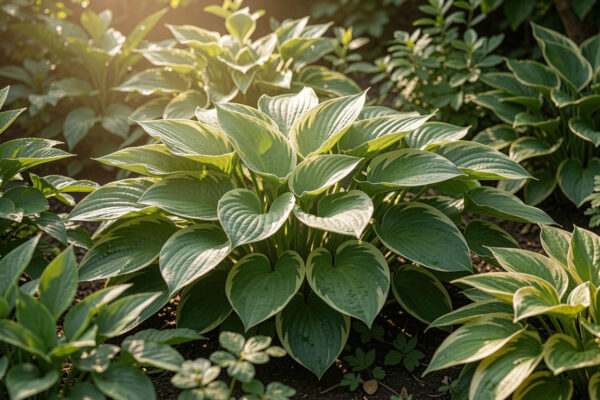
This one leans into leaves instead of flowers, so you get texture and calm without needing full sun, which I love for that quiet, spa-like vibe. I planted hostas and a few glossy ferns here and the contrast of broad and fine foliage felt instant and effortless; sometimes a green-on-green look is the most dramatic move you can make. If you’re nervous about color, start with foliage first and add splashes of bloom later – trust me, it’s less stressful than committing to a whole palette at once.
Pretty Purple Pops
Think of this as the “purple punctuation” border where lavenders, salvia, or lungwort give you vertical sparkles in shady coolness, and they feel surprisingly cheerful even in low light. One spring I planted a swath of purple groundcover on a whim and my neighbor stopped for a week straight to comment – small wins, you know? You can tuck taller purple spikes behind lower clumps so the eye moves, and if you mix leaf shapes the color reads even richer.
Rock-Edged Contrast
Here the idea is to pair stone with purple and green plants so the rocks become an intentional frame instead of an afterthought; the cool tones of stone complement shade-loving foliage beautifully. I remember schlepping river rocks one rainy afternoon and feeling like a guerrilla designer – imperfect but oddly satisfying – and that imperfect edge suits shady borders. Layer short plants by the rock edge and taller ones behind so the composition reads like a gentle slope rather than a flat line.
Potted Pairings by Path
Using a few well-placed pots with variegated foliage and splashy blooms gives a border instant personality, and it’s a great trick if your soil is meh or you rent. I keep a cluster of pots near my shady porch and they make morning coffee feel special, even on a busy day – tiny rituals count. You can swap pots seasonally, which is perfect if you like changing looks without replanting the whole bed.
Soft White Retreat
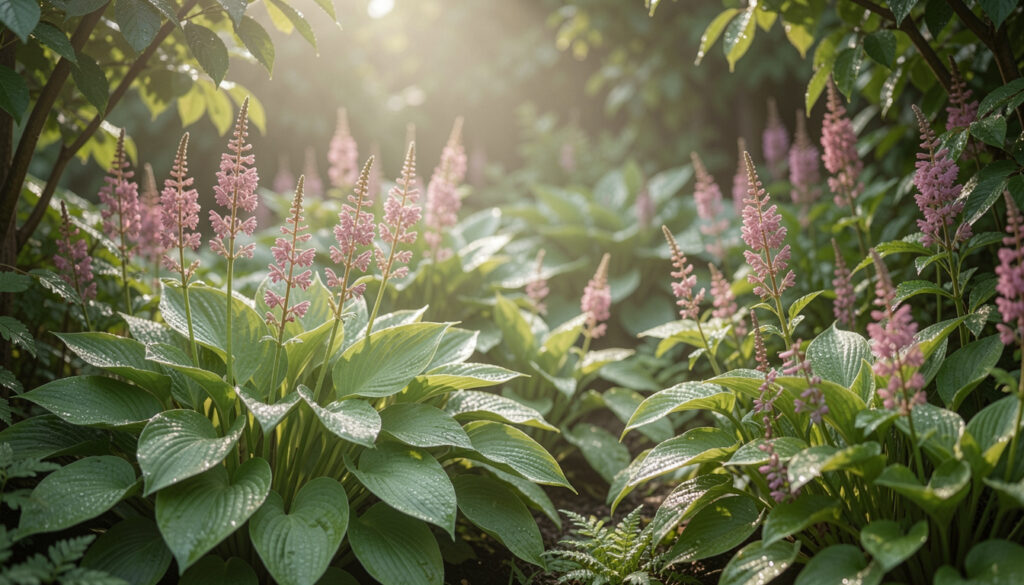
White flowers are a shade gardener’s secret weapon because they pop in low light and make dark corners feel luminous, like a quiet glow. Once I planted a line of white astilbe and phlox and it ranked as my most satisfying late-summer surprise – friends asked how I managed such a soft, clean look without fuss. For a cohesive edge, repeat one white plant in small drifts so the eye reads the border as a single statement.
Blooming Shrub Backdrop
Use small, shade-tolerant shrubs behind herbaceous perennials to add year-round structure; the shrubs are your skeleton and perennials are the outfit. I put a low rhododendron at the back of a shady strip and it anchored the whole bed through winter in a way that annuals never could – structural planting is underrated. Keep the shrubs pruned to your sightlines so they don’t swallow everything else like a friendly but overzealous giant.
Cool Blue Accents
Blue flowers and blue-tinted foliage feel calm and deep in shade, so think of delphiniums, brunnera, or blue forget-me-nots to create a hushed palette that’s still eye-catching. I had a patch of blue geraniums that made my shady walkway feel like a secret passage; it was a quiet luxury. Contrast with limey leaves and you’ll see the blue read more intensely than it would in sun.
Cheerful Red & White Mix
Red can be tricky in shade, but when paired with crisp white it becomes energetic rather than heavy, and that pop keeps the border from looking muddy. I once paired red astilbe and pale white phlox and the combo felt like a little garden party every time I walked by – totally unexpected. Try using red as an accent in the middle distance and white in the foreground for balance.
Deep Purple Corner Planting
Go deep with purples and plummy foliage for a moody, sophisticated border that still feels soft because the colors are cool and calming. One fall I experimented with a concentrated purple corner and it read like a little velvet curtain between lawn and patio – dramatic, but in a cozy way. Combine different textures — glossy, fuzzy, and fine — so the single color has lots of personality.
Sidewalk Corner Accent
Turn a dull sidewalk corner into a vignette with layered perennials that spill softly over the edge and draw the eye along the path, offering curb appeal without fuss. I remember once trimming a tired corner and planting a trio of shade lovers; neighbors started pausing on walks, which felt silly but sweet – proof small changes matter. If you want low maintenance, pick plants that play well together so the bed self-manages through the seasons.
How to Actually Make This Work For You
Start by observing your space for a few days – note which areas get morning light, which are in deep shade, and where moisture lingers – then choose plants that match those conditions so you aren’t fighting the site. Layer heights and textures from front to back, repeat a few plants for cohesion, and don’t be afraid to leave small gaps; plants need room and those pauses keep the border from feeling overcrowded. Finally, treat the border like a living picture: step back, edit what’s misbehaving, and try one swap a season rather than overhauling everything at once so you can learn what your unique shady microclimate prefers.
What are the best perennials for deep shade?
Hostas, ferns, astilbe, brunnera, and some hellebores are excellent for deep shade because they’re bred to thrive with limited sun and often love moist, cool soils. Mix them for different leaf shapes and bloom times so the bed stays interesting beyond just one season.
How do I keep a shady border from looking messy?
Repeat one or two plants through the bed to create rhythm, prune spent foliage as needed, and use mulch to keep edges tidy; those tiny habits make a big difference. Also, pay attention to spacing – crowded plants create chaos rather than cohesion.
Can I mix bulbs with my shade perennials?
Yes – many bulbs like snowdrops, scilla, and woodland crocus naturalize well in shade and give early-season interest before perennials leaf out. Plant bulbs slightly deeper and be mindful of where later-emerging perennials will grow so you don’t confuse roots when you replant.
How often should I fertilize a shade border?
Light feeding in spring with a balanced slow-release fertilizer or an organic option like compost is usually enough, because shade plants generally grow more slowly and don’t need heavy feeding. Overfertilizing can make lush foliage but weaken plants, so less is often more in shady conditions.