I fell in love with the idea of a circular lawn with pathways design the first time I saw a tiny backyard transformed into a cozy, dreamy escape. It felt like someone had stitched a living rug into the garden and I wanted that exact vibe at my house. I still remember the smell of cut grass and the thrill of walking along a circular path for the first time.
I started sketching circles on paper and pacing out radius lines in my yard – not exactly elegant, but it helped. Over the past two summers I’ve tried a few variations, from stone pavers to mulched rings, and learned what actually holds up in weather and with a clumsy gardener (hi, me).
This post gathers twelve of my favorite circular lawn pathway ideas with honest notes about layout, materials, and tiny mistakes you can avoid. You’ll get photos, simple setup tips, and ways to make it feel like yours.
These 12 Circular Lawn With Pathways Ideas You’ll Obsess Over
Rocky Plant-Rich Circle
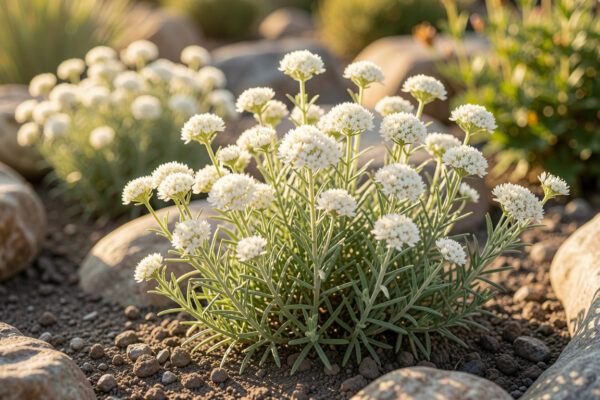
This one feels wild and a little secret – lots of plants tucked around irregular rocks giving the circle an organic edge. I love how unforced it looks, like the yard decided to grow a garden halo on its own, and that’s a vibe I keep trying to capture. Once I tried to mimic this with too many succulents and learned that spacing matters – give each plant room to breathe. If you like natural textures and a slightly messy look, this will charm you every morning.
Wood-and-Brick Ring
A neat circle built from wooden boards and brick edges feels cozy and structured, perfect for front yards that need a little architectural hug. I actually built a small version using reclaimed wood and yes, screws everywhere – not pretty up close but held solidly all season. You’ll appreciate how the warm wood softens the brick and makes the paths feel intentional rather than accidental. Try staining the wood for longevity if you’re using it near soil and moisture.
Brick-Walled Mini Lawn
This tiny garden with grass enclosed by low brick walls is charmingly compact and perfect for small spaces or urban yards. I once had a courtyard half this size and used stacked bricks to corral the grass – it instantly read as curated and cozy. If you want low maintenance, pick a resilient turf and make the walls double as seating on slow, lazy afternoons. You could also plant thyme or moss between cracks for an old-world feel.
Center-Stage Circular Design
Seeing a person stand in the middle of a large circular layout gives the whole garden a theatrical focal point – perfect if you love drama. I tried this with a sundial once and ended up tripping over the base the first day – tip: make the center safe and flat. The symmetry is calming, and you can layer plants by height for a little visual drumbeat leading toward the middle. If you host, this design naturally creates a conversation spot around that center.
Stepped Rise Lawn
Steps leading up to the circular grass add elevation and drama, especially on sloped yards where flatness feels impossible. I climbed these kinds of steps barefoot as a kid – they make the lawn feel like a tiny stage, honestly. Use low plants on the risers to keep sightlines open, and make the treads wide enough so guests don’t wobble. It’s a great trick to make a modest yard feel layered and intentional.
Artist’s Garden Sketch
This rendering-style circle with grass and scattered flowers reads like a watercolor – soft edges and romantic planting. I keep a folder of sketches like this when I plan, because drawings help me forgive things that might look awkward in reality. If you’re the type to prototype in pots first, this approach lets you rearrange until the composition sings. Also, don’t be afraid to be a little whimsical – gardens deserve personality.
Flower-Haloed Lawn
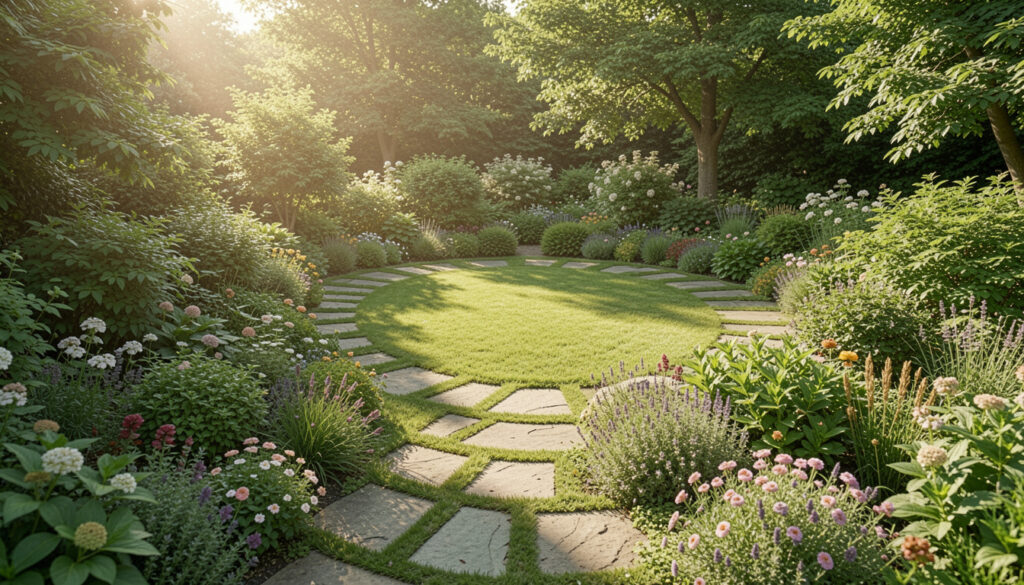
A circular lawn ringed with blooms and dense greenery is the classic romantic option – bright, fragrant, and endlessly selfie-friendly. I planted a similar border once and discovered bees absolutely loved the lavender corner, so expect pollinators – in a good way. You’ll want to pick staggered bloom times so the circle never feels empty, even in late season. It’s a slow, gratifying project that rewards patience and a little planning.
Front-Lawn Statement
When your house gets a large circular front lawn, it becomes a statement – like the property is wearing a perfectly fitted skirt. My neighbor did this and suddenly every morning stroll felt like a tourist moment; people stop to admire it, for real. If you go big, think about sightlines from the porch and street so the circle reads beautifully from every angle. Add low hedges or clipped shrubs to keep it tidy without looking too staged.
Stone Paver Ring
Circular lawns surrounded by stone pavers give a clean, modern edge while still feeling warm underfoot – practical and pretty. I installed a paver path once and learned grout choice matters; lighter sand hides dust, darker pack looks polished. You can vary paver sizes for a handcrafted look, or keep them uniform for crisp geometry. This is a fail-safe choice if you want curb appeal without fuss.
Aerial Garden Geometry
An aerial view of a stone-ringed garden shows how planting shapes read from above – it’s like map-making for your backyard. I pulled out my drone one summer just to see how my beds looked and honestly cried a little because they looked better from above than walking through them. If you’re planning multiple rings, sketch them scaled so paths don’t end up too narrow in reality. This is perfect if you enjoy pattern and precision.
Bench-and-Bloom Circle
Placing a bench opposite flowers and greenery makes the circle feel like a living room – inviting and quietly staged for cozy chats. I once read there’s something comforting about a focal seat in a garden; tried it and yep, it became my favorite reading nook. Invite asymmetry by offsetting the bench slightly – it’ll feel more lived-in and less museum. Don’t forget a side table for your tea or plant clippers.
Dual-Chair Flower Circle
This outdoor set-up with two chairs facing the circular bed is perfect for long conversations and slow sunsets. I brought out folding chairs for a garden chat once and realized sturdier seating makes the circle feel intentional rather than temporary – lesson learned. You can plant fragrant edges so every sit-down smells like summer, and add a small table for shared snacks. It’s an easy, human-centered layout that invites you to slow down.
How to Actually Make This Work For You
Start by measuring your space and sketching one circle first – even a single hoop of string will change what you see, and that’s where real decisions happen. Think about materials that suit your lifestyle; if you’re clumsy (guilty), wider pavers and forgiving turf will be kinder to your shoes and knees, while neat gravel needs a border to keep it tidy. Don’t try to do everything at once – stage it over a season, plant in pots to test arrangements, and let the circle evolve rather than forcing perfection on day one. Remember, the charm of circular designs is their invitation to wander, so allow pathways to curve and plants to soften the edges.
How large should a circular lawn be?
Size depends on your yard and how you’ll use the space – a small circle can be a focal point, while a larger one can host seating or play. Aim for at least a three- to four-foot path width if you expect regular foot traffic, and scale the central lawn so it feels proportionate to your house and garden beds. If in doubt, mock it up with string first.
What materials work best for pathways?
Stone pavers, gravel, and brick are popular because they weather well and offer different vibes – stone feels modern, brick feels classic, and gravel reads casual. Consider maintenance: gravel may shift and need topping up, while pavers can be stable but require leveling. Pick what matches your lifestyle and climate.
Can I do a circular design on a slope?
Yes – steps or terraced rings can turn a slope into an advantage and create dramatic layers. Use retaining edges with good drainage and choose plants that handle sloped soil to prevent erosion. Terracing also offers natural seating and varied planting pockets for interest.
How do I maintain a circular lawn edge?
Regular edging with a half-moon tool or an installed border keeps the curve crisp, and trimming helps prevent grass from spilling into paths. Mulch and low borders reduce weeding, and scheduled maintenance – even just ten minutes a week – keeps the design tidy without overwhelm. I find a short weekly sweep calms my garden anxiety more than anything.