Ugh, yellow flowering weeds – they show up like party crashers in my lawn every spring and I always wonder how to get rid of yellow flowering weeds without making things worse. I used to stomp around with a watering can and a lot of frustration, so trust me – I get it. Those sunny little heads look cheerful but they really mess with curb appeal.
I’m writing this because after years of trial and error (and a few embarrassing failed spray attempts) I finally found practical ways that actually work – and won’t wreck your soil or the bees. I spent weekends hand-pulling, testing vinegar mixes, and even learning the timing tricks for herbicide-free control. It’s been a journey – some wins, some learning moments.
Below I’ll walk you through 25 easy, realistic methods – from gentle hand-pulling to smarter lawn care tweaks – so you can pick what fits your yard and lifestyle. You’ll get tips, real-life notes, and what I’d do next time.
These 25 Practical Ways to Remove Yellow Flowering Weeds
Hand-Pull Dandelions
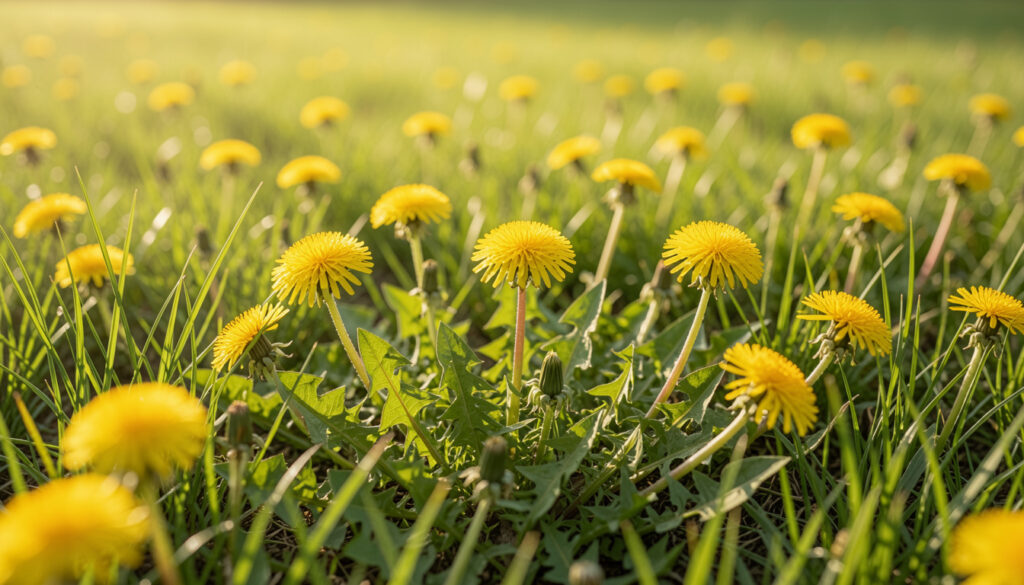
Sometimes the simplest move is pulling by hand when soil is moist – the whole root comes out easier that way. I swear, kneeling with gloves and a little stool felt oddly therapeutic the first time I did it right. You’ll want to get the taproot or it’ll pop back up, so take your time – patience pays off.
Spot Treat With Vinegar
Household vinegar can brown and kill weeds if you apply on a sunny, calm day so it won’t drift onto your plants. I tried a diluted mix once and learned the hard way that stronger vinegar does the trick faster – but be careful near garden beds. Cover nearby desirable plants or use a spray bottle for precision.
Smother Small Patches
For a big patch, lay down cardboard or thick newspaper and top with mulch – it starves weeds of light and eventually they rot away. I used this under a pile of leaves last autumn and was pleasantly surprised at how clean the area looked in spring. It’s slow, but low-effort and chemical-free – perfect if you have patience.
Use a Dandelion Weeder
Those long-handled weeding tools are lifesavers – they yank the taproot with minimal bending. I bought one after a backache incident and it honestly changed my weekend routine for the better. If you’ve got a slope or lots of weeds, the leverage is worth the cost.
Mow Strategically
Keep your mower blade a bit higher so grass can shade seeds and reduce flowering – plus taller grass competes better with weeds. One summer, I lowered the blade and regretted it as dandelions took over; lesson learned – let the grass breathe. Adjusting height seasonally helps a lot.
Overseed Thin Spots
If your lawn has thin patches, reseeding creates competition so weeds don’t get a foothold. I reseeded a shaded strip last fall and within months dandelions had fewer places to land. Use a mix suited for your climate and water consistently until established.
Improve Soil Health
Often weeds love compacted or nutrient-poor soil – add compost and aerate to help grass thrive instead. I tossed compost around my front yard and was amazed by how quickly grasses filled in the gaps. It’s a longer game, but healthier soil means fewer weeds long-term.
Apply Corn Gluten Meal
Corn gluten meal can act as a natural pre-emergent – it inhibits seed germination when timed right. I used it in early spring and noticed fewer seedlings, though it won’t kill established plants. Timing is key – apply before weed seeds sprout.
Boil Water for Small Spots
Pouring boiling water will scald small patches of weeds in cracks and pathways – instant-ish removal, no chemicals. Once, in a pinch, I used this on sidewalk dandelions and it worked surprisingly well. Use caution around nearby plants – it kills whatever it touches.
Pull After Rain
Right after a rain the soil gives up roots much easier, so schedule pulling days then when you can. I made a ritual of it – coffee, gloves, and one wet hour in the yard – oddly satisfying. Less struggle, more success.
Try Selective Herbicide
If you have lots of broadleaf weeds, a selective herbicide targets them without harming grass varieties – read labels carefully. I’ll admit I used this once when the patch overwhelmed my lawn and it did clean things up fast. Follow directions, and avoid windy days to prevent drift.
Natural Soap Mix
Mix a few drops of dish soap with vinegar to help the solution stick to leaves – it can increase effectiveness. I tried a mild soap mix for the dandelions near my mailbox and got decent spot control. Keep it targeted though – it’s not picky and will affect other foliage.
Edge Lawn Borders
Defining edges with a spade or edger reduces seed spread into beds and keeps the lawn tidy. When I first edged my beds, the difference was immediate – cleaner lines, fewer stray blossoms. It’s a small habit that makes maintenance easier.
Mulch Garden Beds
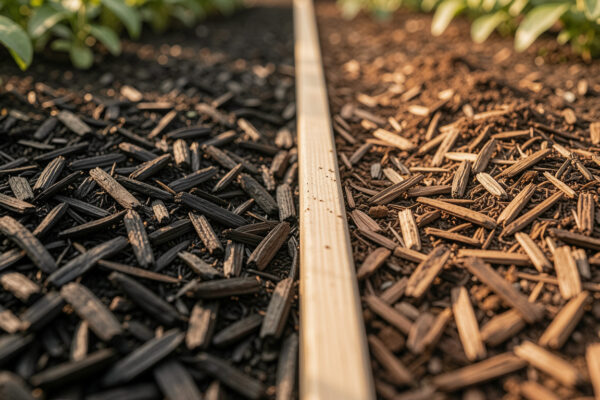
Apply 2-3 inches of organic mulch – it blocks light and reduces dandelion and mustard-family weeds around plants. I once let mulch run low and the bed quickly resembled a wildflower patch – not the vibe I wanted. Keep mulch topped up, but not touching stems.
Rent a Power Aerator
Aerating loosens compacted areas and helps grass roots go deeper, outcompeting weeds for resources. After aerating, my lawn looked perkier and fewer yellow blooms popped up where it mattered. You can rent a machine for a day and it’s usually worth the effort.
Hand-Deadhead Flowers
Snipping flower heads before they seed reduces the next generation of weeds – it’s a little annoying but effective. I caught myself doing this while pruning roses – multitasking wins. Keep a small bucket while you walk the yard.
Use Ground Cover Plants
Planting low-growing groundcovers reduces open soil where yellow weeds colonize – thoughtful planting helps long-term. I replaced a bare slope with sedum mix and my weeding time dropped drastically. Choose cover that suits sun exposure and maintenance level.
Solarize Problem Areas
Cover soil with clear plastic for 4-6 weeks in hot months to cook weed seeds – dramatic but effective for stubborn spots. I tried this on a small patch and it cleared out years of buried seeds – felt a bit sci-fi, honestly. Be patient; timing and heat matter.
Apply Post-Emergent Herbicide
For actively growing weeds, a post-emergent formula can be targeted and quick acting – again, label reading is crucial. My neighbor swears by a spot treatment that saved his shady strip. Don’t overdo it – spot treat and monitor results.
Maintain Proper Mowing Schedule
Mow often enough so dandelions and other yellow bloomers don’t set seed – consistency reduces future problems. I used to let summer go unchecked and paid for it with a carpet of yellow heads. Try weekly mows during peak season if you can.
Use Organic Herbicides
There are organic herbicides that use plant oils to desiccate weeds – gentler on environment but sometimes need repeat applications. I used one labeled for lawns and saw slow improvement over a month. They’re an option if you prefer non-synthetic products.
Deploy Booms or Shields When Spraying
If you spray, use shields to prevent drift onto veggies and ornamentals – tiny mistakes can ruin a season’s plants. Once I flubbed a windy spray and apologized to my nearly-dead basil – lesson learned. Safety and precision matter here.
Pull Before Flowering
Removing young plants before they bloom is easier and prevents seeding – check your yard regularly in spring. I set reminders on my phone to do a quick sweep and it actually helped a lot. Small consistent actions add up.
Introduce Beneficial Lawn Practices
Feed with balanced fertilizer at the right time, water deeply and less often, and rake out thatch – healthy lawns choke out yellow weeds. I switched to deep watering twice weekly and my turf looked less stressed, which meant fewer weeds. It’s a lifestyle shift more than a single trick.
Spot-Remove With Hand Tools
For roots that resist, use a small trowel or hori-hori knife to get the root ball out fully. I keep a tiny toolkit by the backdoor for surprise weed battles – very handy. Sometimes brute patience is the best tool.
How to Actually Make This Work For You
Start by choosing one or two realistic strategies that fit your schedule – pick a no-chem route if you garden with pollinators, or a targeted herbicide if you need fast results in a large lawn. Time your actions: pull after rain, pre-emergents in early spring, and mow regularly during bloom time – sequence matters more than doing everything at once. Commit to maintenance for a season – a single effort rarely fixes decades of seed buildup, so treat it like a habit rather than a one-off project. Adjust for your yard – shady lawns, compacted soil, and heavy clay need different care than sandy, sun-drenched yards; I learned this the slow way by trying the same trick everywhere and getting mixed results. Finally, be kind to yourself – perfect lawns are rare, and small wins like fewer seeds and easier mowing count big. Track what you try and note the date – you’ll thank yourself next spring when you remember what worked.
Will pulling dandelions really stop them for good?
Pulling helps a lot if you remove the entire taproot, and doing it consistently before seed set reduces the next year’s population. It rarely eliminates every single plant because seeds persist in soil, but it significantly cuts numbers when done regularly.
Is vinegar safe to use around pets and kids?
Vinegar is less toxic than synthetic herbicides, but strong concentrations can irritate skin and eyes, so keep pets and kids away until treated areas dry. Consider spot treatments and cover desirable plants to avoid accidental damage.
How often should I overseed to prevent weeds?
Overseed thin areas once a year, ideally in early fall for cool-season grasses or spring for warm-season ones – follow local turf recommendations. Regular overseeding strengthens turf and reduces spaces where yellow weeds can take hold.
When is the best time to use pre-emergents like corn gluten meal?
Apply pre-emergents before weed seeds germinate – usually early spring when soil temps hit the germination range for dandelions and similar weeds. Timing is key – too late and established weeds will be unaffected.