Okay friend, picture this – you pull up to a house that looks like it wandered out of a storybook, and that feeling is exactly why I fell in love with vintage home exterior for beginners projects. It doesn’t have to be complicated or spendy to be charming; small, thoughtful changes make a huge difference.
I wrote this because I remember how overwhelmed I felt the first time I stood on my porch with a paint sample and no clue where to start, so I wanted to give you a gentle roadmap. I’m 28, I love plants, and I absolutely made mistakes that turned into happy accidents you can learn from.
Below you’ll find 12 easy, visual ideas with notes from my own trials and tips you can use the weekend you decide to get started. You can totally do this – I promise it will feel fun, not scary.
These 12 Vintage Home Exterior For Beginners Ideas
Cottage White Charm
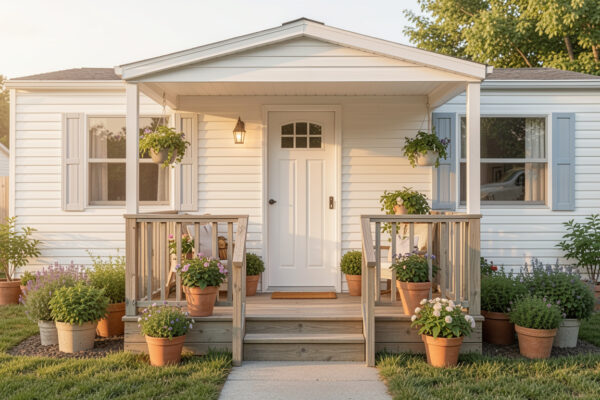
This white house wrapped in trees and flowers feels like such a classic starting point when you want a vintage exterior that reads timeless rather than trendy. If you begin with a neutral white or soft cream, you create a backdrop that lets shutters, hardware, and greenery shine. I once repainted a small rental in cream and the neighbors actually asked for the paint brand – little choices like that build confidence fast.
Stone And Blue Shutters
An old stone house with cheerful blue shutters and lavender at the edge of the yard gives instant European cottage vibes without a huge budget. Choosing a single pop of color for shutters or doors is one of the fastest vintage signals you can add, and it often costs less than swapping hardware. When I added blue shutters to my grandfather’s shed, the whole block suddenly felt cozier and people stopped to compliment the look – little wins like that keep you motivated.
Red Blooms On Brick
Brick with red flowers spilling from window boxes reads incredibly romantic and lived-in, which is great for a vintage aesthetic that feels curated rather than staged. Window boxes are inexpensive, easy to mount, and they allow seasonal swaps so your exterior evolves through the year. You don’t need a green thumb to pull this off – choose hearty blooms and trailing plants that can handle a bit of neglect.
Classic Red Brick Look
Having a red brick facade anchored by white-trimmed windows makes your home read warm and durable, and it pairs beautifully with vintage brass or black hardware. Keeping the trim crisp while letting the brick age naturally creates balance that feels intentional. Once I cleaned and re-caulked my own window frames, the entire house looked years newer for a fraction of what a full renovation would cost.
Green House With Balconies
A larger green-painted house with lots of windows and a welcoming porch makes a striking statement while staying cozy if you pick muted, vintage-inspired tones. Painting is a weekend project that completely transforms curb appeal, and you can test colors on a small board first to avoid commitment regret. I still recommend picking finishes for trims and balustrades that complement the green rather than compete with it – that little harmony tricks the eye into thinking the whole thing is professionally designed.
Secluded Garden Hideaway
Houses tucked into trees with layered shrubs and soft grass pathways feel like secret hideaways and are perfect when you want vintage charm without flashy details. Focus on layering plant heights and textures so the house peeks through like a discovery on a walk. I planted a few native shrubs in front of our mailbox and it instantly softened the entrance, proving small plantings can anchor a vintage look.
Coastal Cottage Flowers
An old house near the ocean with climbing flowers around windows and doorways brings a relaxed, weathered charm that feels authentically vintage. Salt-air patina on hardware and natural-fiber accents like rope or wicker can elevate the seaside personality without much expense. When I visited a coastal town last summer I took notes on how homeowners embraced imperfect paint and plants – that weathered honesty felt more charming than perfection.
Potted Blooms And Bricks
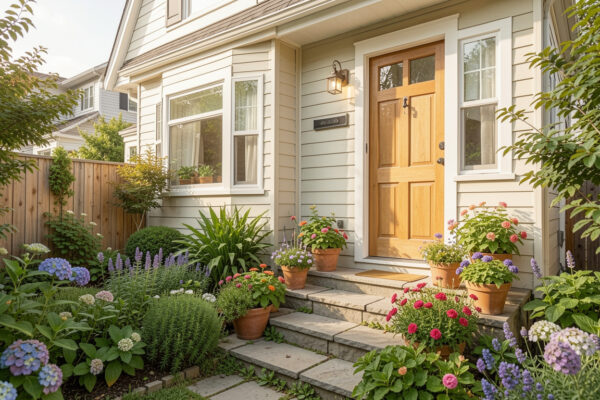
Bricks softened by lush window planters and potted stands at the threshold give a welcoming, lived-in vibe that is achievable even if you only have a small porch. Grouping pots in odd numbers and mixing heights creates visual interest without expensive landscaping. I once arranged thrifted urns on our step and the result felt so inviting that neighbors started borrowing my styling ideas.
Open Field White Home
A white house set in a lush green field is the picture of classic countryside charm and proves that simple palettes frequently look the most refined. When you let the landscape do the heavy lifting, you can keep architectural details minimal but thoughtful – think wooden shutters or a lantern-style porch light. If you live where space feels wide, lean into that openness with long sightlines and a few key vintage touches.
Brick Steps With Personality
Steps and entryways are high-impact zones; brick steps that lead to a vintage door instantly tell a story about the home and invite you in. Improve what people touch and see first – new hardware, a wreath, or a seasonal runner changes impressions dramatically. I spent a weekend pressure washing and re-sanding the joints on my steps, and it felt like giving the house a morning cup of coffee – suddenly brighter and more awake.
Green Trim On Cozy Home
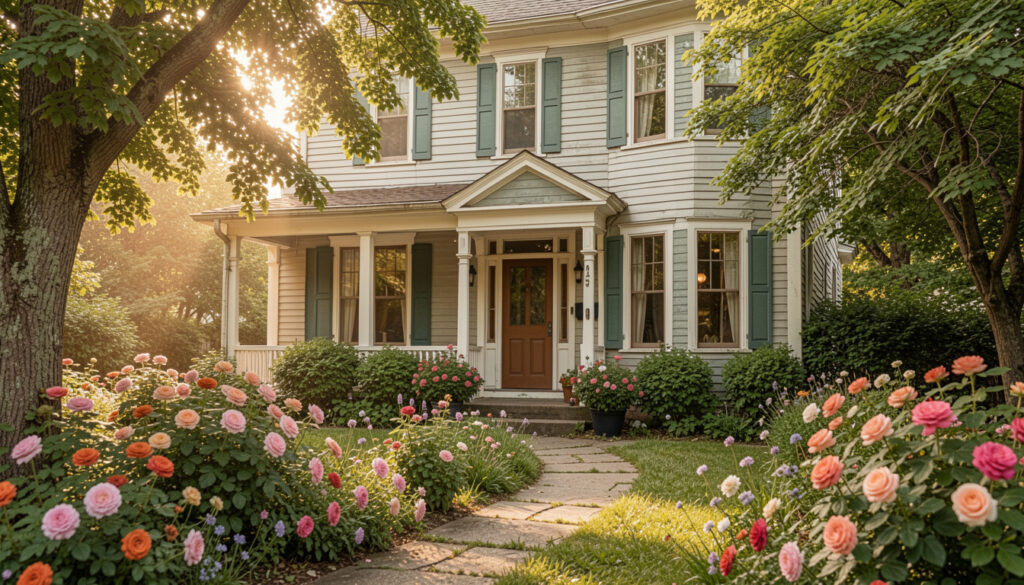
A green-painted home hidden among trees with tidy steps becomes charming when trim and accents are coordinated to feel a little nostalgic. Pay attention to scale – oversized trim can overwhelm, while delicate, vintage-style moldings whisper history. I replaced bulky modern fixtures with slimmer, period-evocative lanterns and it read like a restoration rather than a redo.
White Brick And Shutters
White brick paired with classic shutters is such a timeless vintage combo because it balances texture with clean lines and allows you to play with contrast. Adding shutters is often cheaper than replacing windows and gives you instant structure. When I added painted shutters to my own facade, the house seemed to stand straighter – small architectural echoes like that give confidence to the whole exterior.
How to Actually Make This Work For You
Start small and set a single weekend goal, like painting your door, adding window boxes, or swapping out porch lights so you get momentum and a visible reward. Think about how the changes will look together from the street and choose one unifying element – color, hardware, or plant palette – so the final result reads cohesive. If you test things first and give yourself permission to tweak as you go, you won’t feel pressured to get everything perfect on the first try.
How do I choose a paint color that feels vintage?
Look for muted, slightly desaturated hues inspired by nature like sage green, soft blue, or warm cream and test samples in sunlight before you commit – paint can look very different at dawn compared to midday. Start small with a board or an inconspicuous shutter so you can live with the color for a few days. Trust colors that feel gentle and a little worn rather than overly bright.
Can I get a vintage look without spending a lot?
Yes – prioritize small, high-visibility changes like a new front door color, shutters, simple window boxes, and coordinated hardware to create a vintage vibe on a budget. Secondhand stores and thrift markets are great for lighting and decorative accents, and plants often cost less than construction. I found a perfect brass mailbox at a flea market and it transported the whole look without blowing the budget.
What plants work best for a vintage exterior?
Choose hardy, cottage-style plants such as lavender, climbing roses, hydrangeas, and mixed perennials that layer well and provide seasonal interest with minimal fuss. Containers make it easy to experiment until you find combinations you love. Remember to match plant choices to your climate so they thrive rather than needing constant care.
How do I keep the vintage look from seeming dated?
Balance nostalgic elements with fresh details – maintain clean lines, avoid overloading on too many period pieces, and keep color palettes simple and cohesive. Update functional elements like lighting and gutters in styles that nod to the past but meet modern standards. If you refresh small things regularly, the overall feel stays intentional instead of stuck in time.